Baja California SUR (1)- Mexiko 2
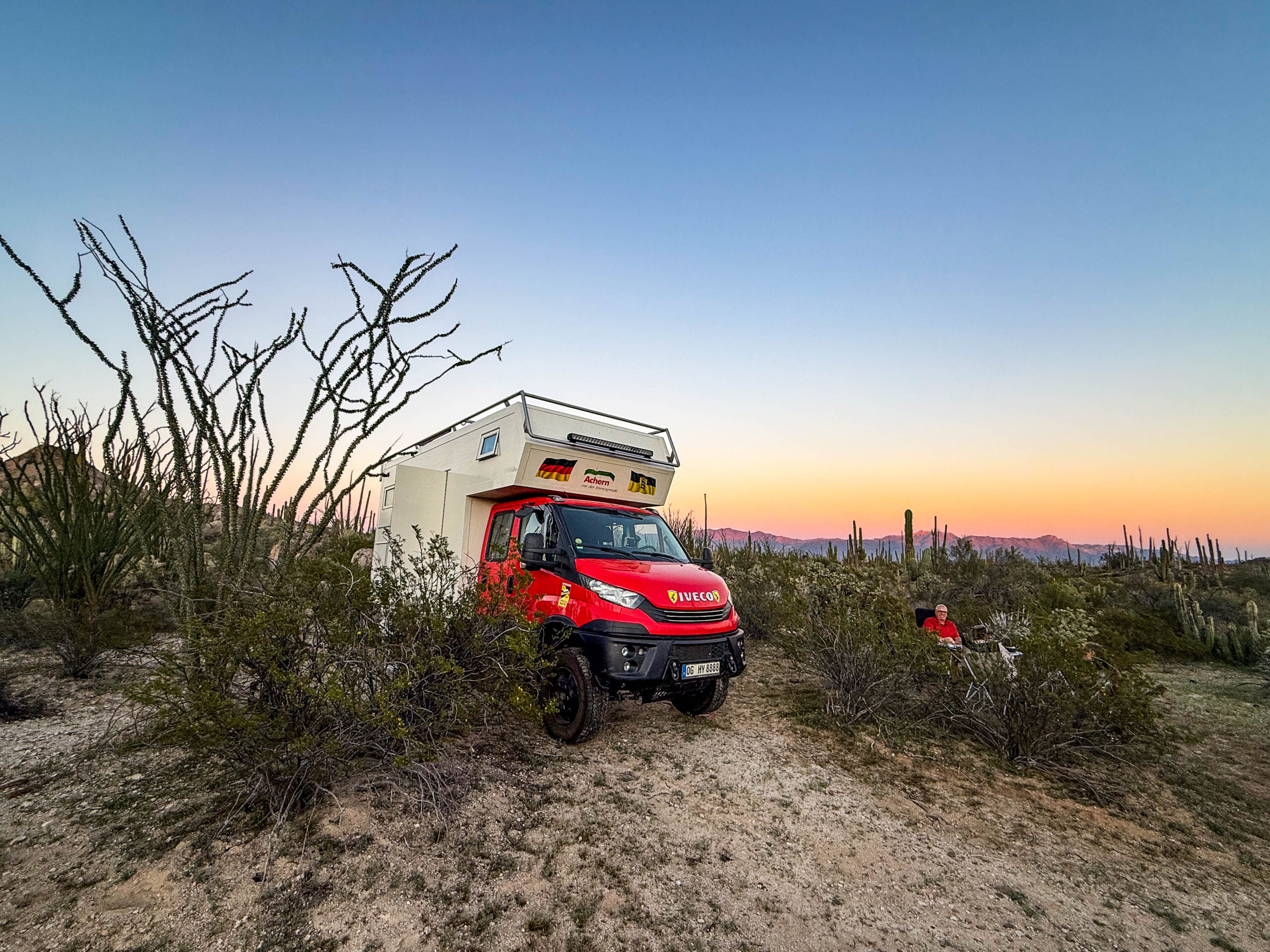
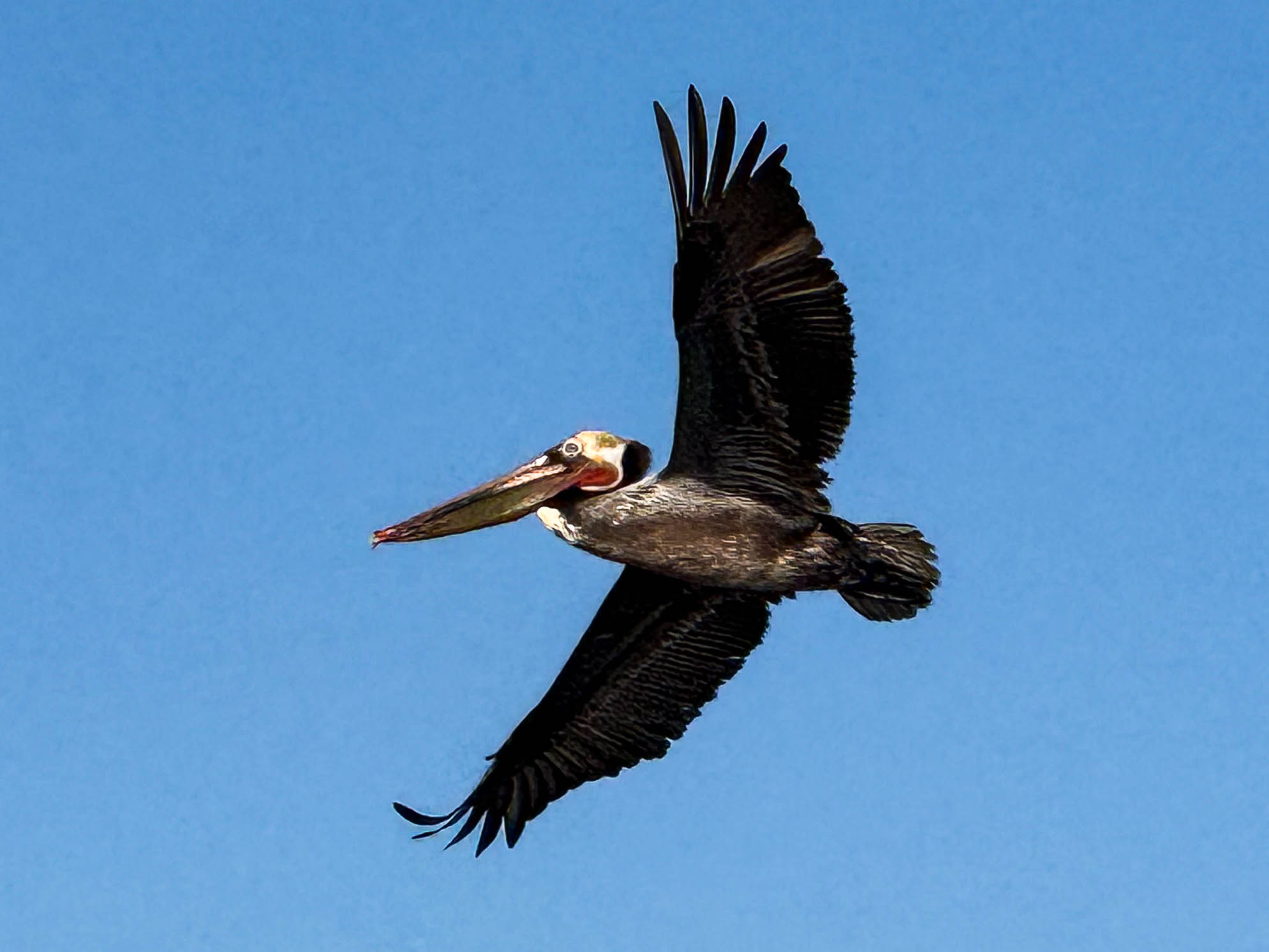
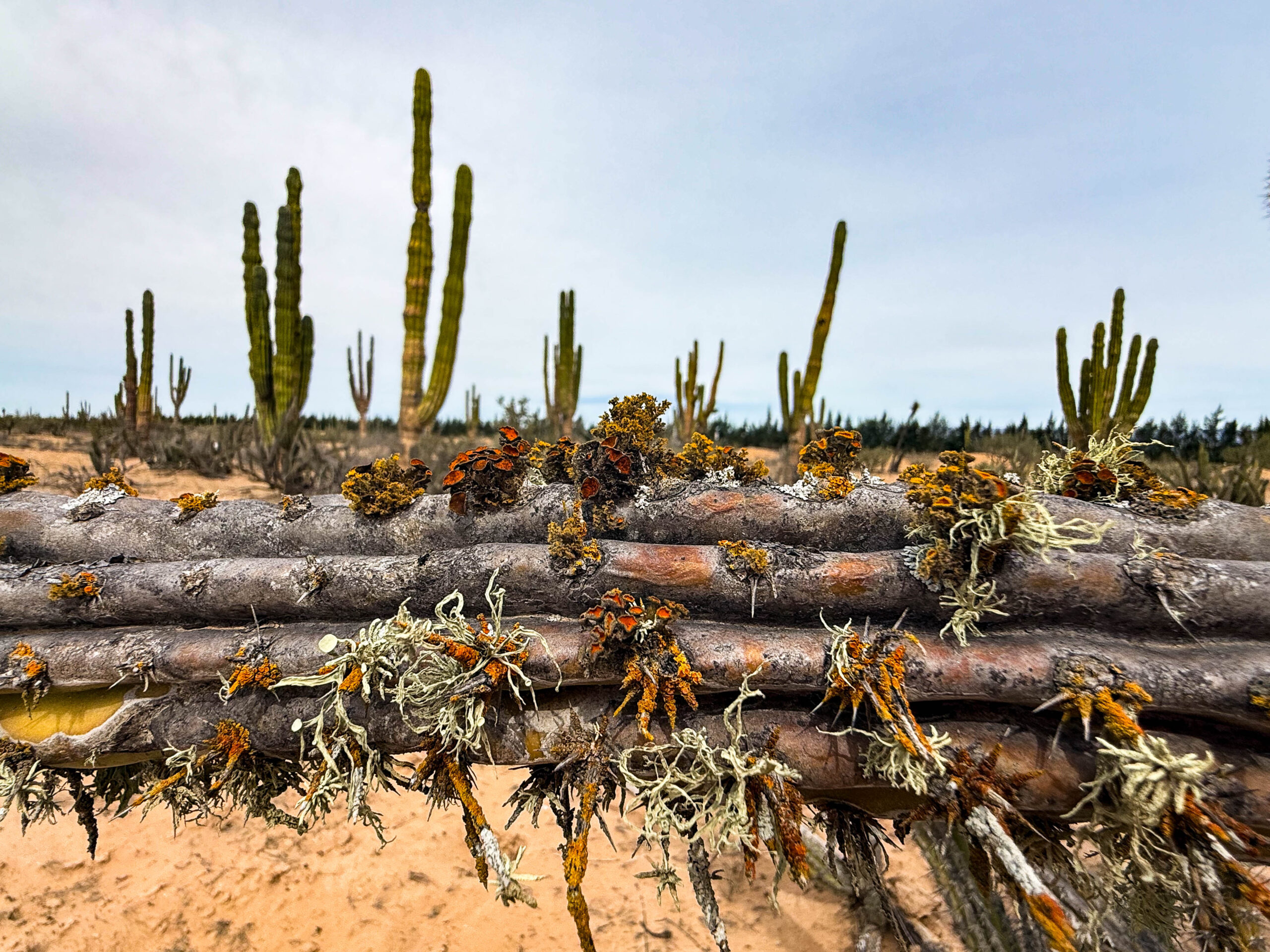
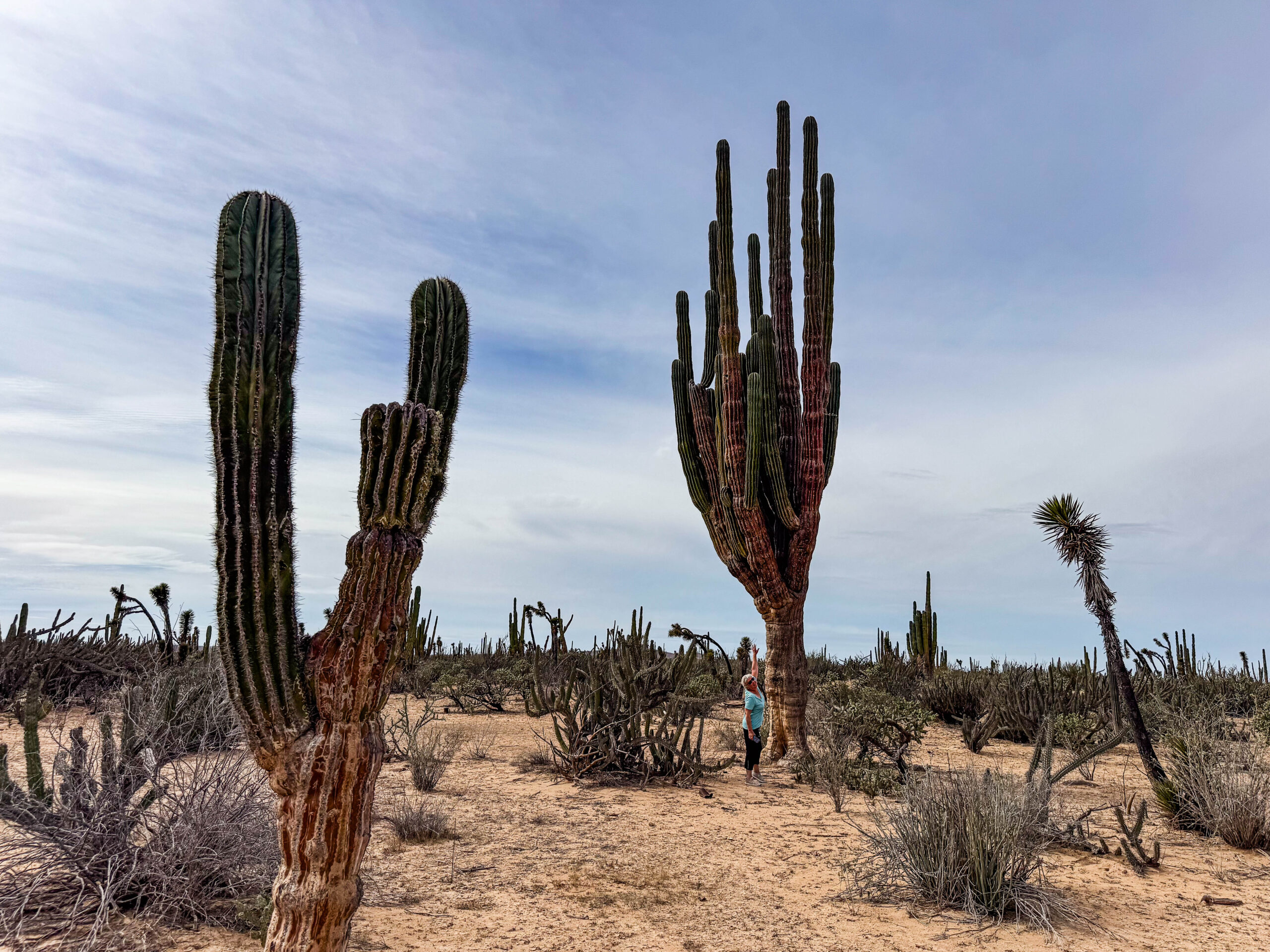
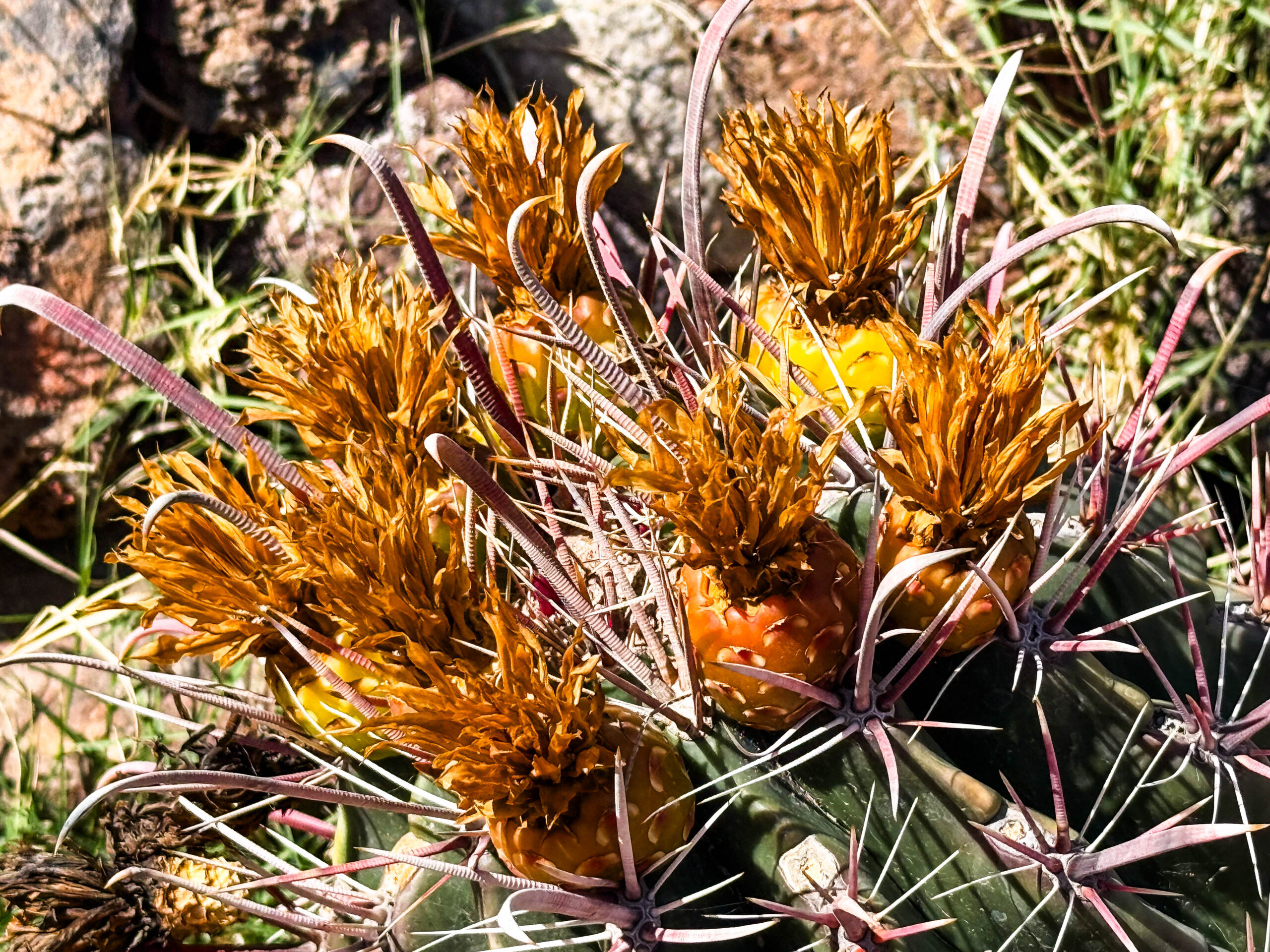
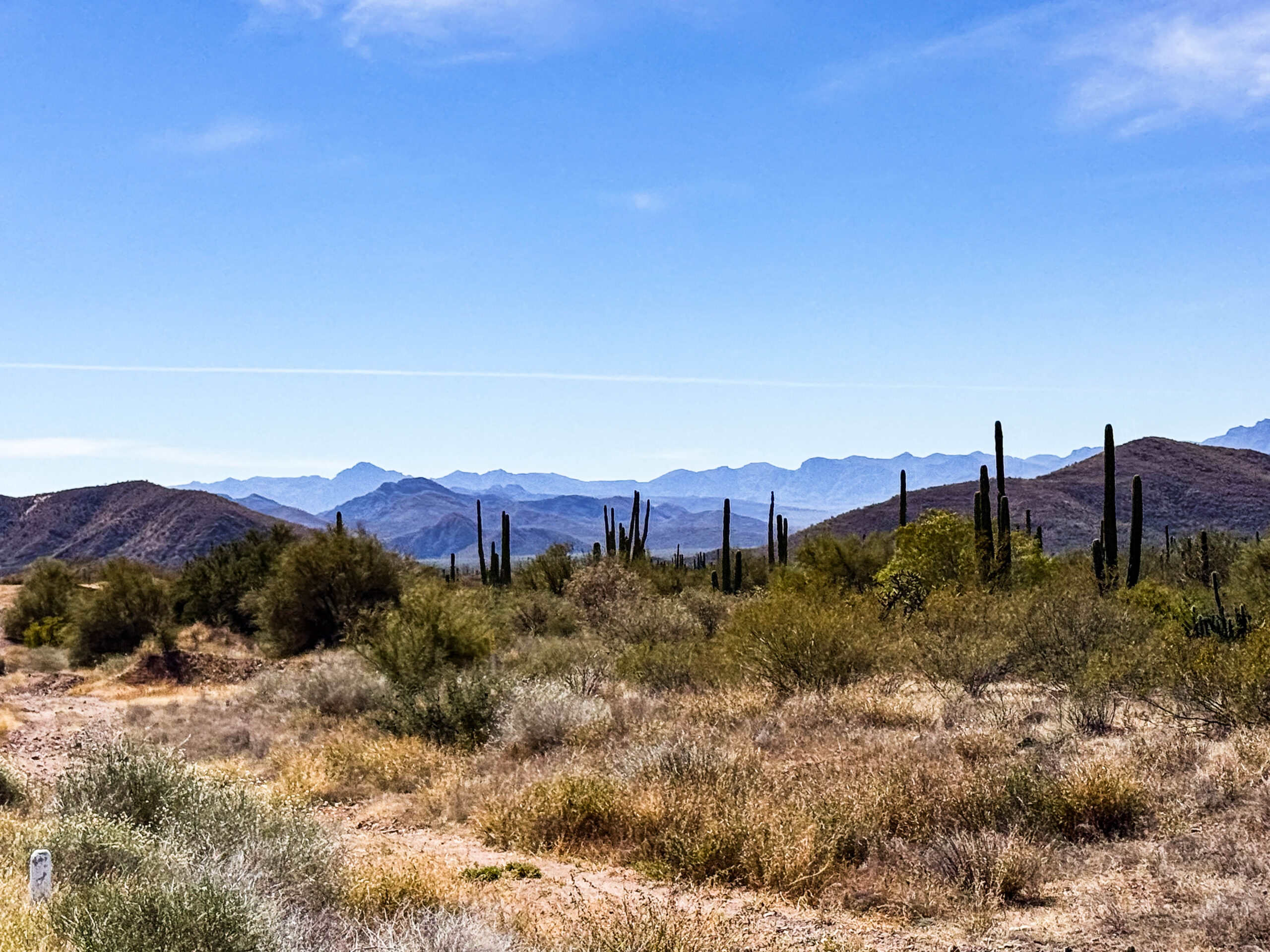
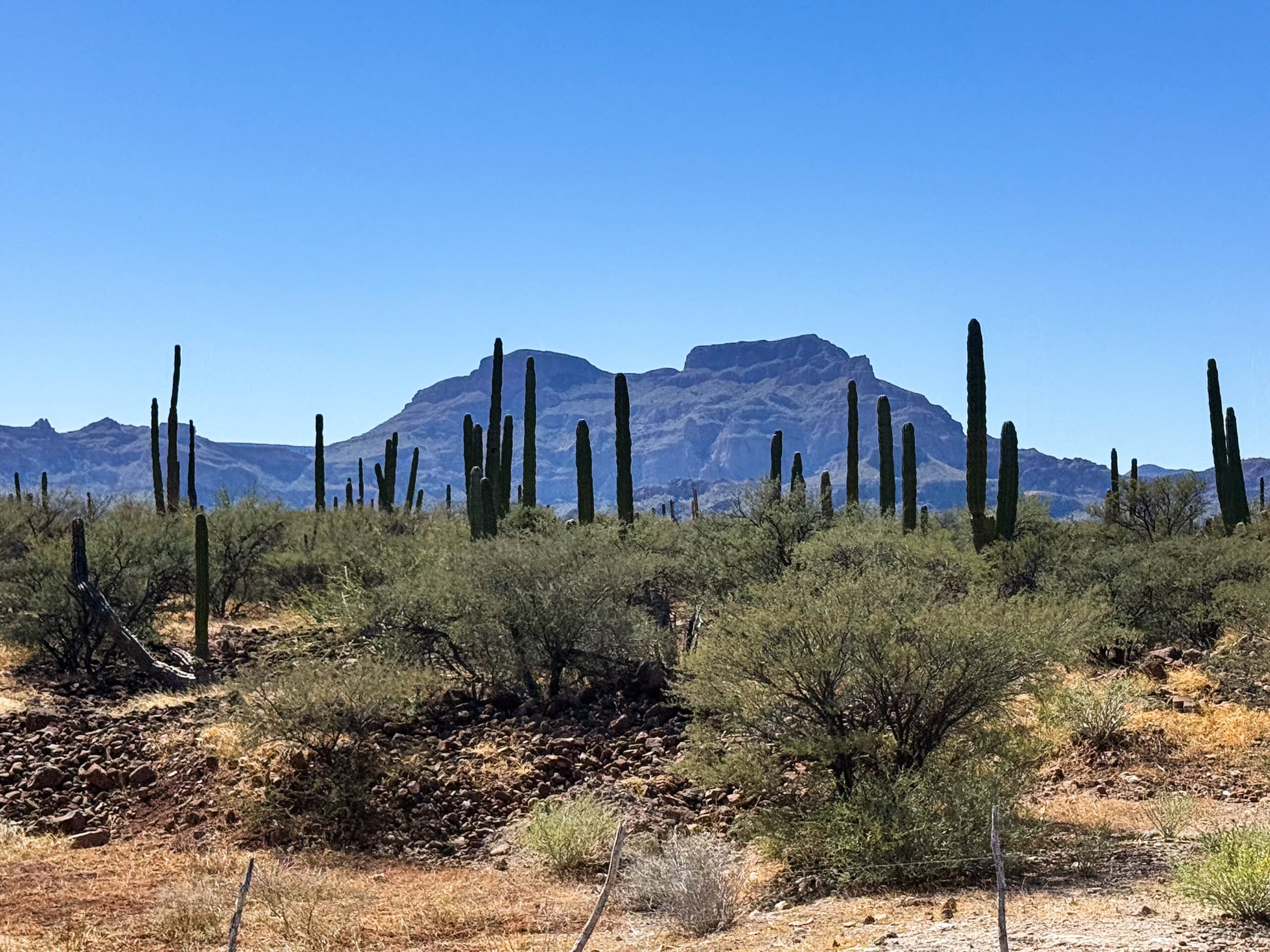
🇩🇪 Die Wolkendecke ist angenehm auf der Fahrt gen Süden, Mimosenbäume, üppiger Kakteenbewuchs, vereinzelte Josuhatrees, Nester von sogenannten Fischadlern (Ospreys – nicht verwandt mit richtigen Adlern, eher der Familie der Habichte zuzuordnen – zeigen einen weißen Kopf mit einen breiten, scharf abgesetzten, dunkelbraunen Augenstreif, der sich von der Schnabelbasis bis zum Nacken zieht; im Flug wirken Fischadler auffallend lang- und schmalflügelig. Sie erinnern vom Flugbild auf größere Entfernung an eine große Möwe) auf den Leitungsmasten entlang der Mex 1. Die erste Militärkontrolle die unser Auto von innen inspiziert – wohl auf der Suche, was man abgreifen kann. Beim PKW vor uns hat es eine Cola aus der Kühlbox und zwei Packungen Kekse gegeben, bei uns reichen die neugierigen Blicke.
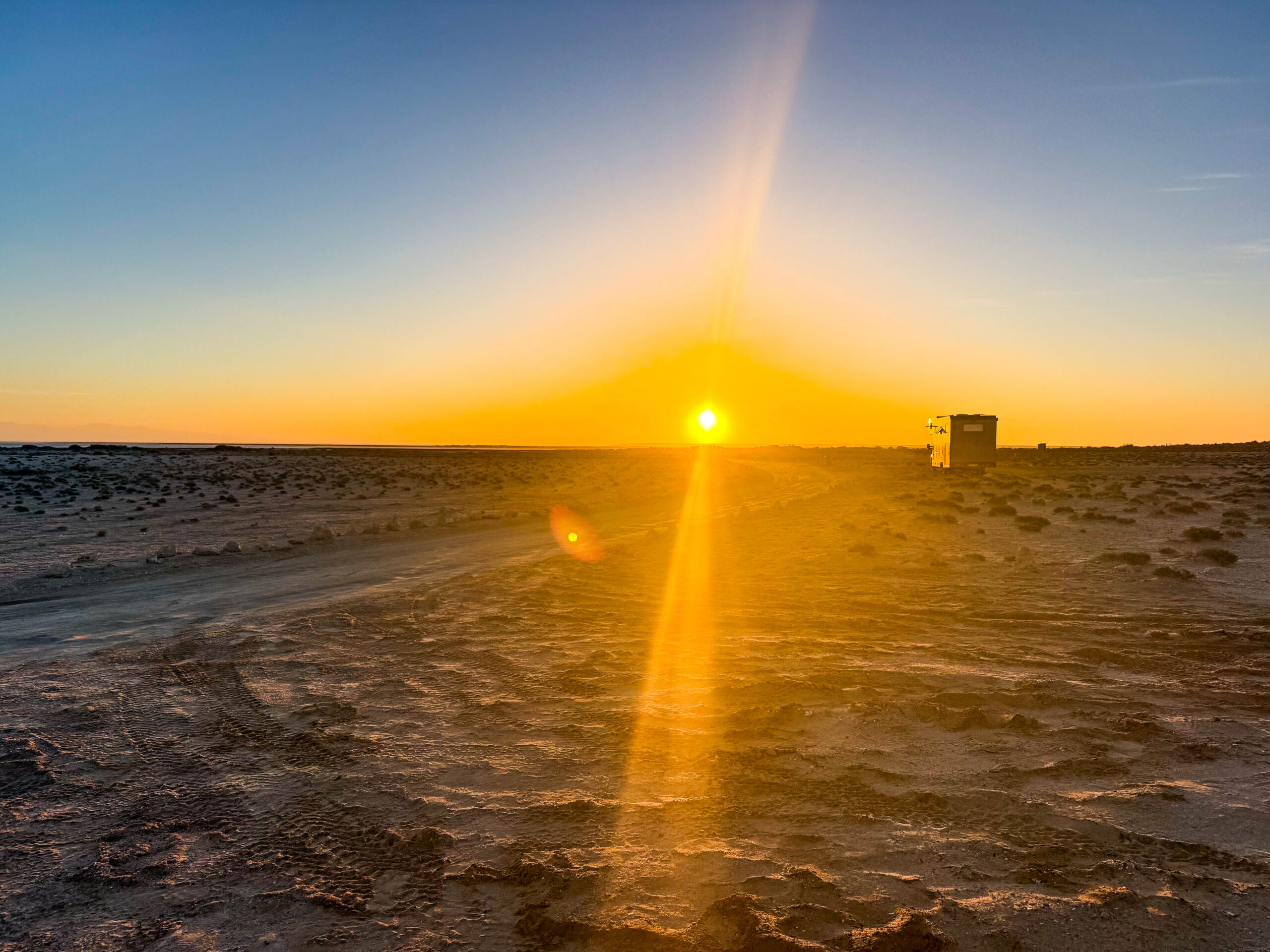
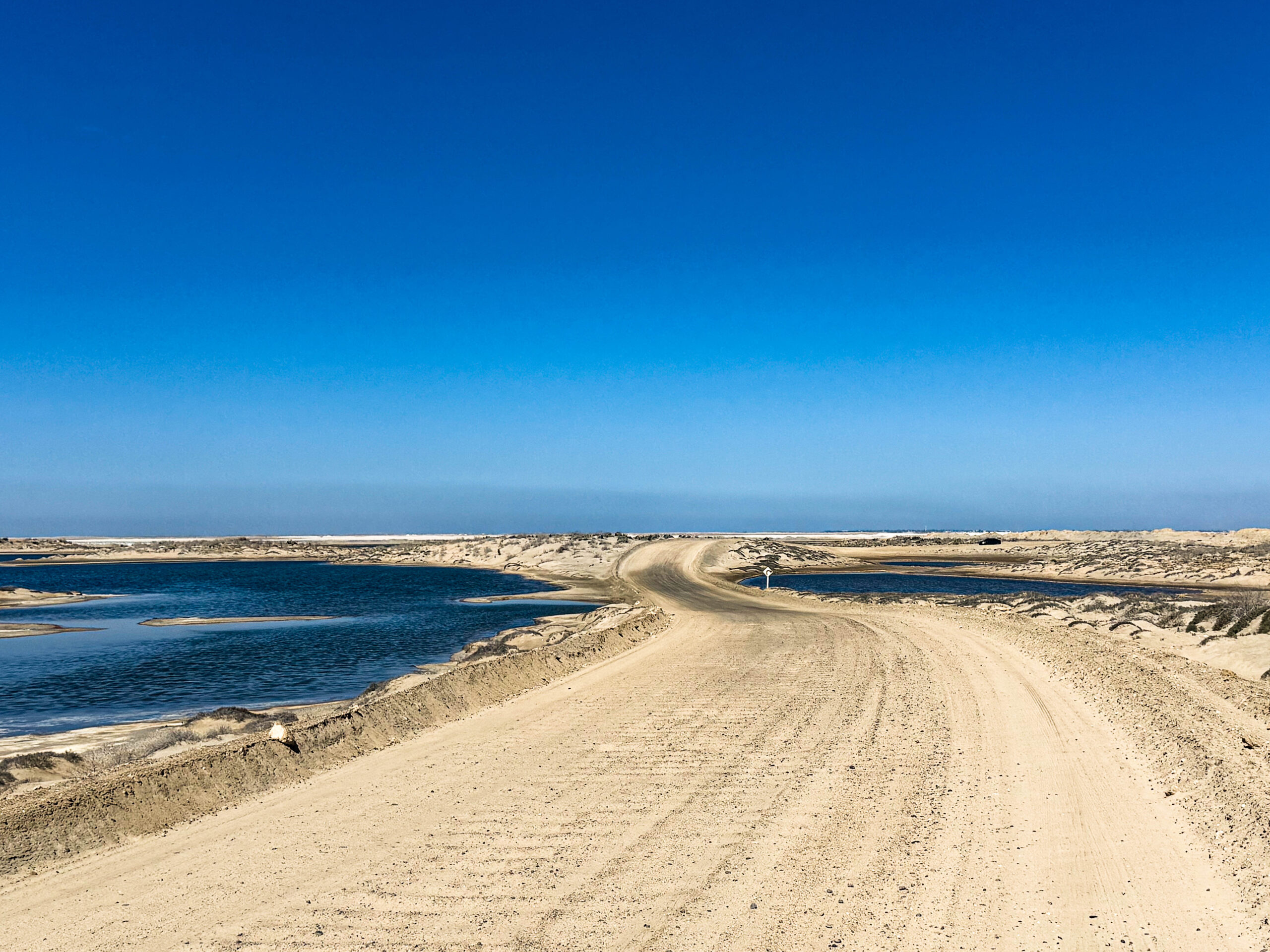
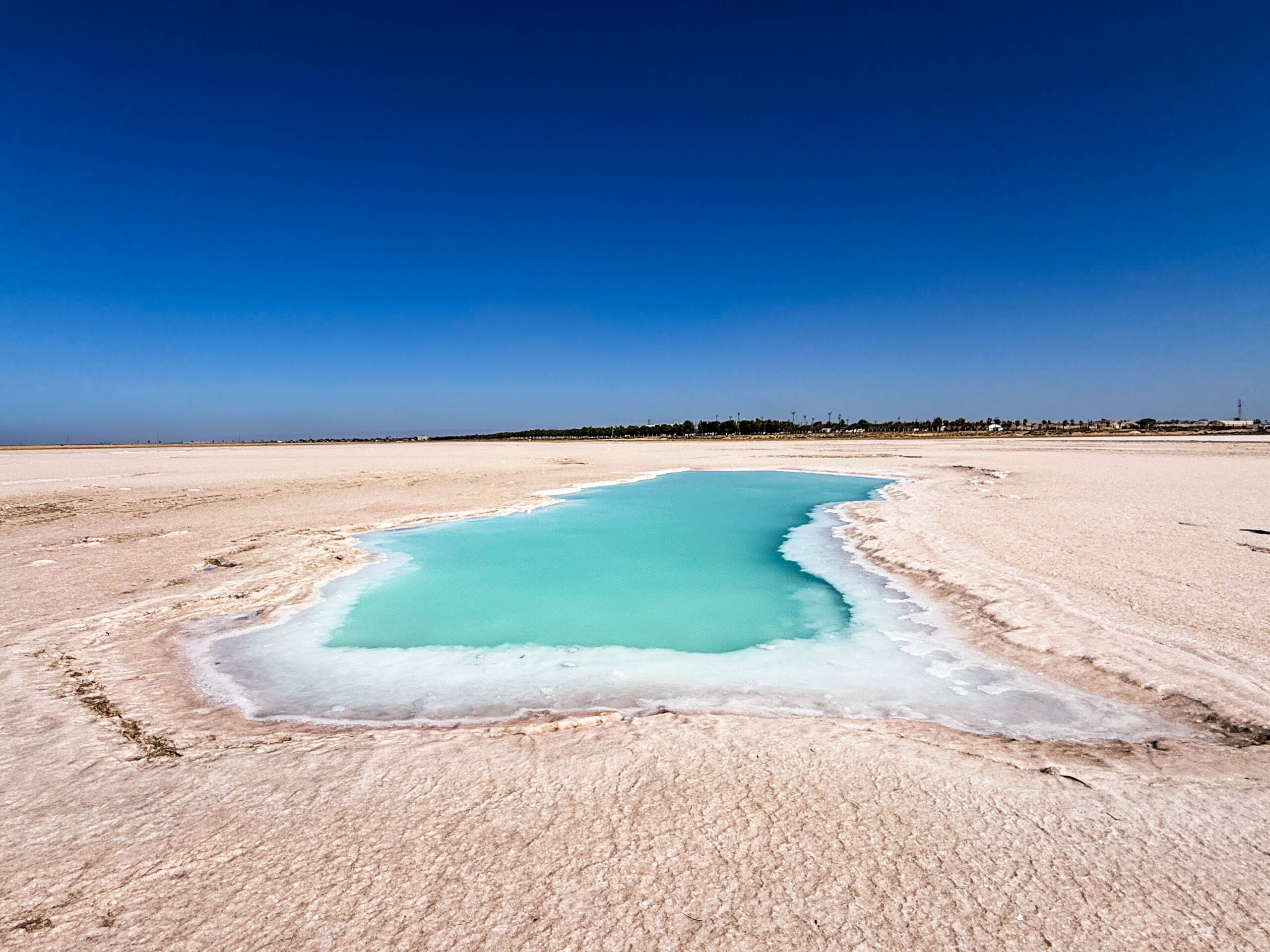
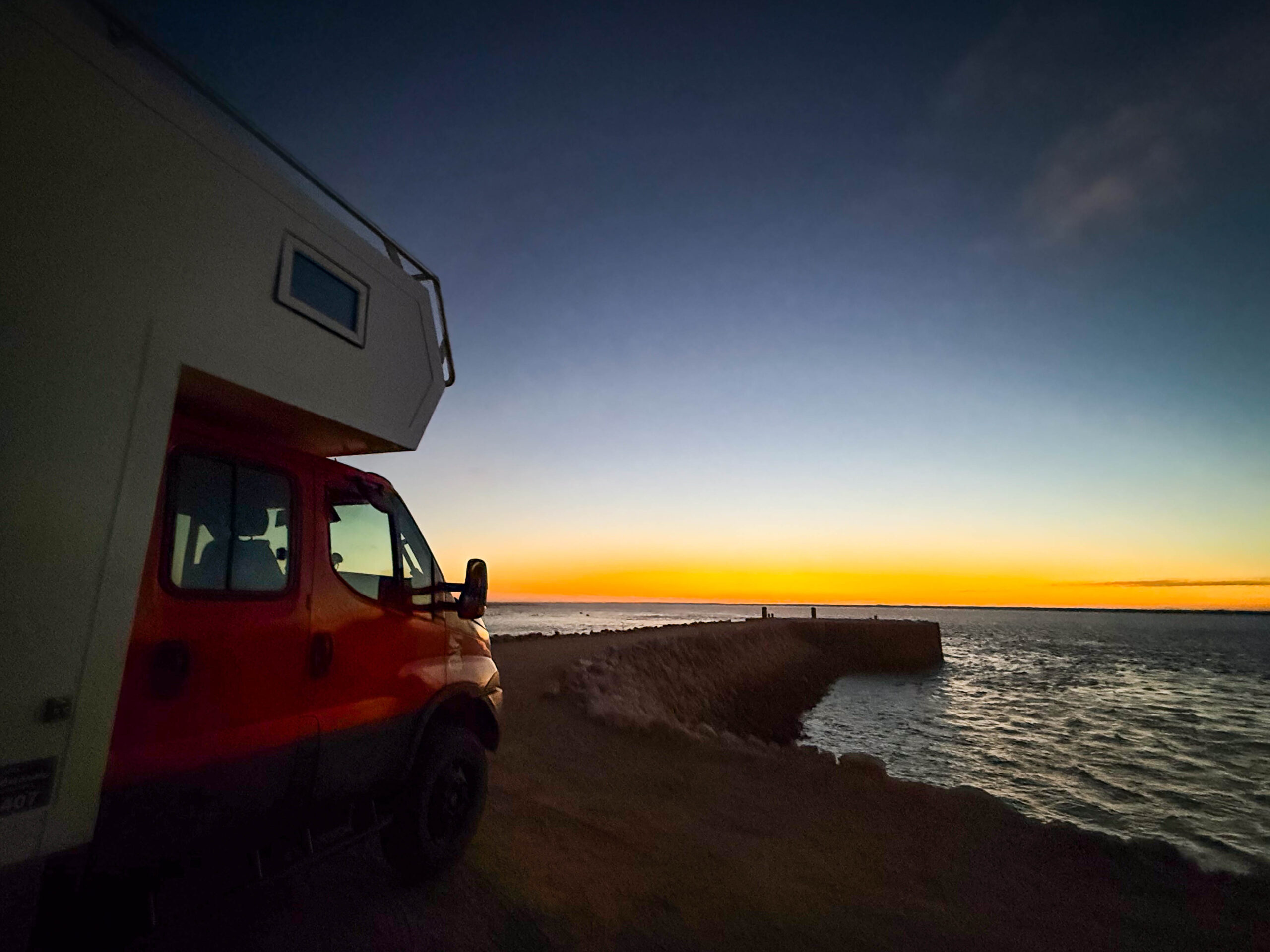
Wir passieren die Provinzgrenze und müssen 100 M$ für die Desinfektion der Reifen bezahlen – eine echte Lachnummer (und Abzocke). Guerrero Negro eine sehr staubige Ortsanlage mit ziemlich hässlichen Topes (Geschwindigkeitsschwellen). Dafür gibt es sehr gutes Wasser bei einer der nicht seltenen „Aqua purificada“-Häuschen und gutes Einkaufen im Supermarkt. Abends noch Fahrt zur Lagune Ojo de Libre durch weltweit einer der größten Salzgewinnungsstätte.
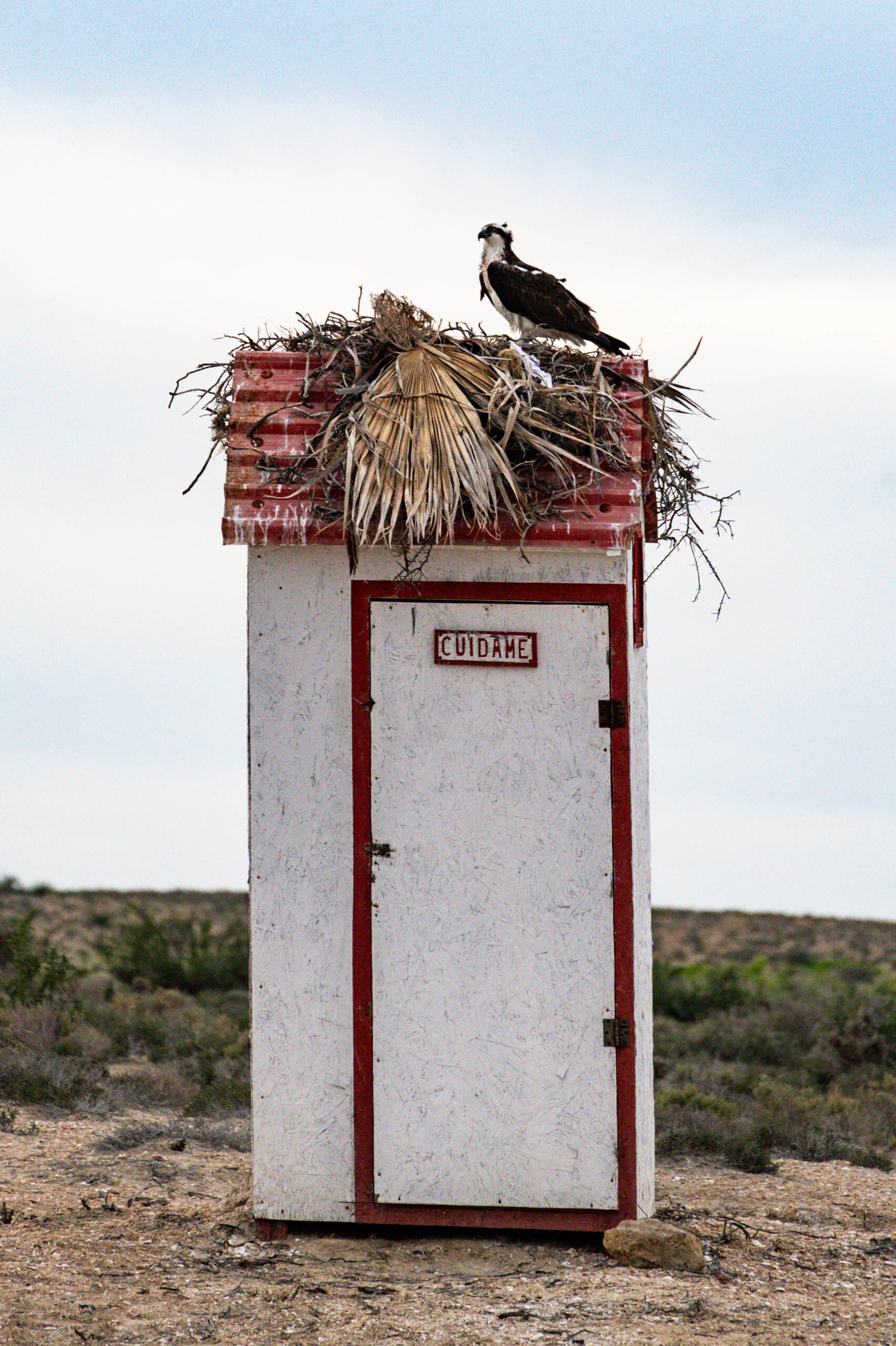
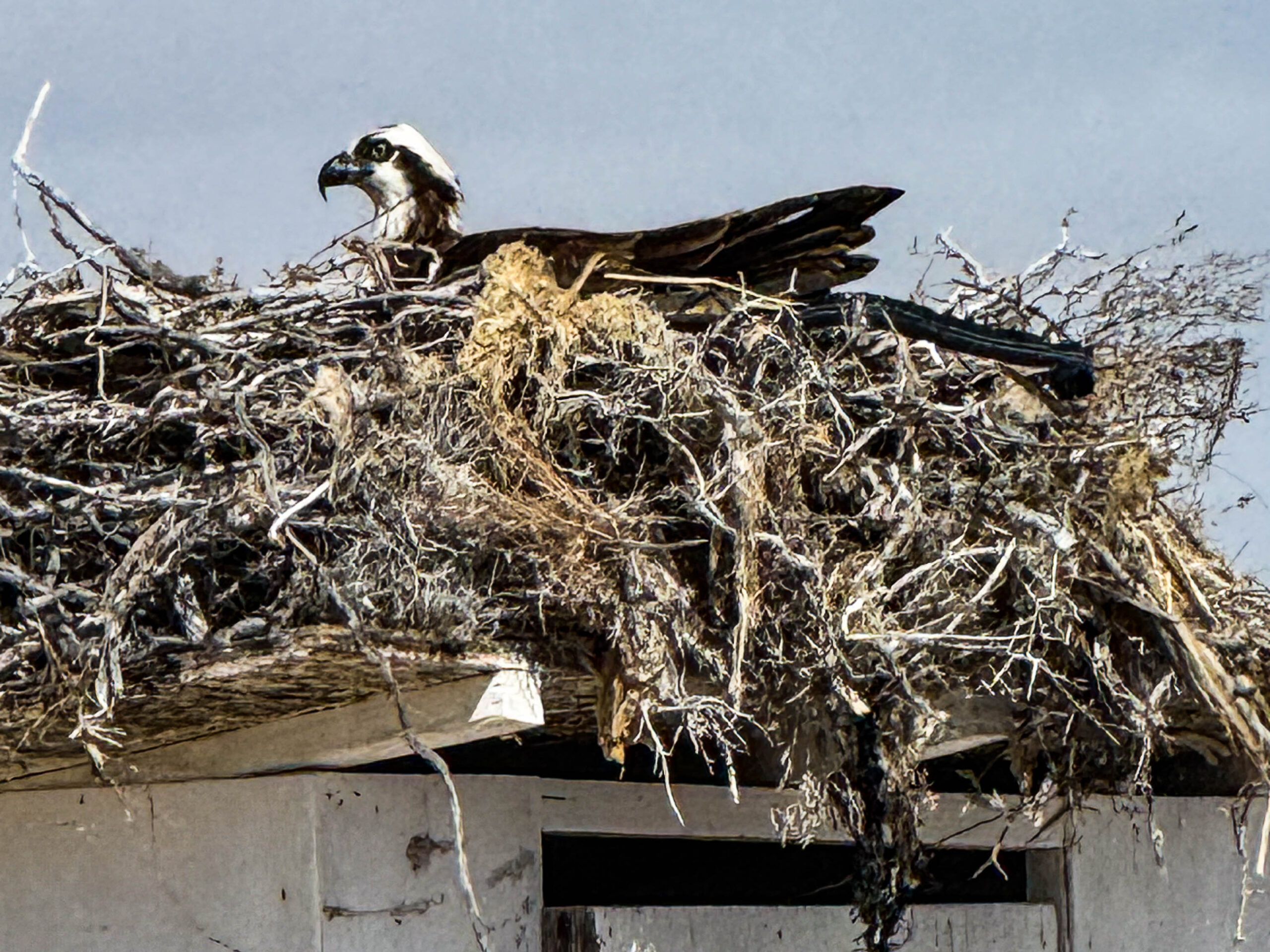
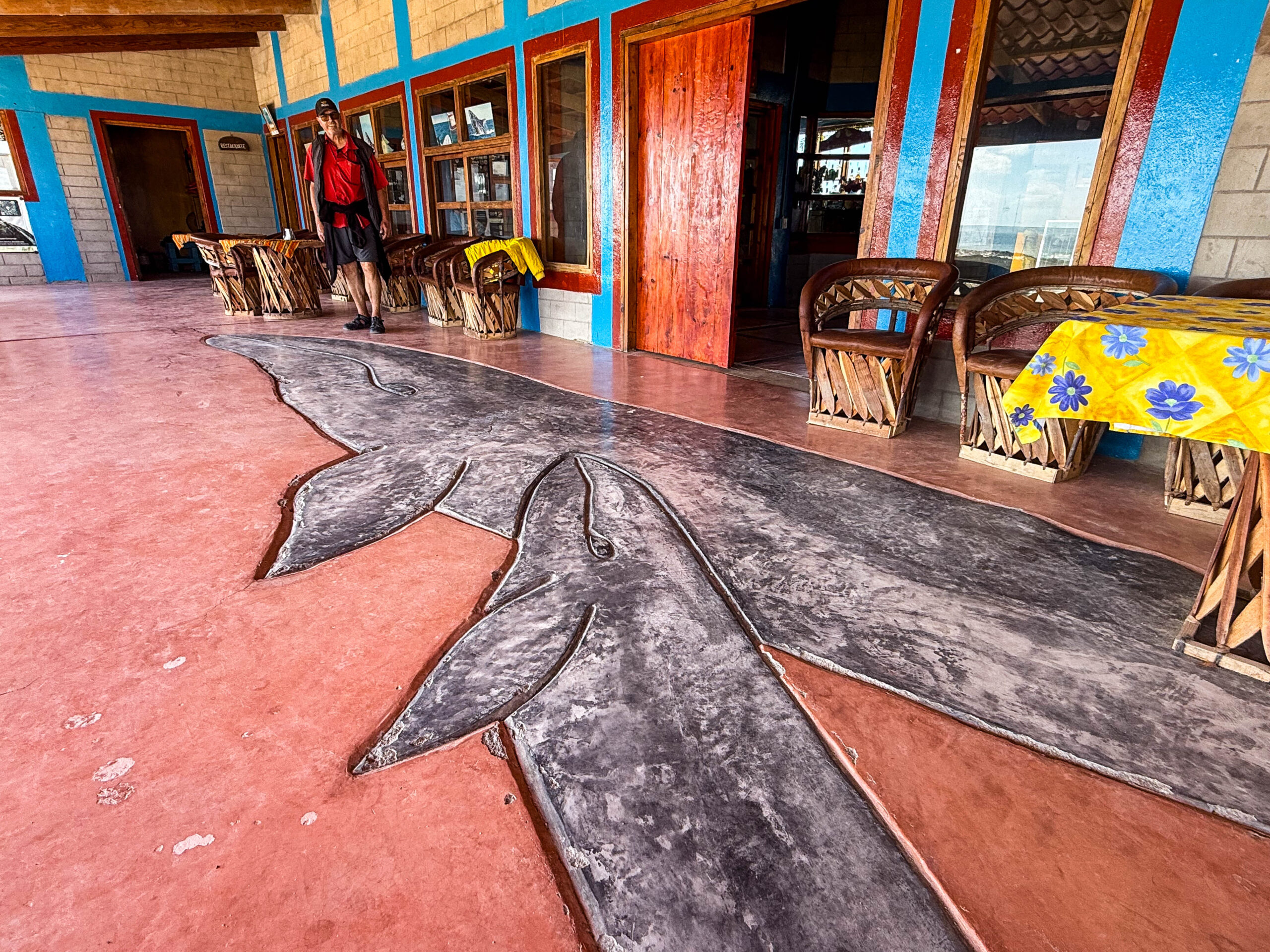
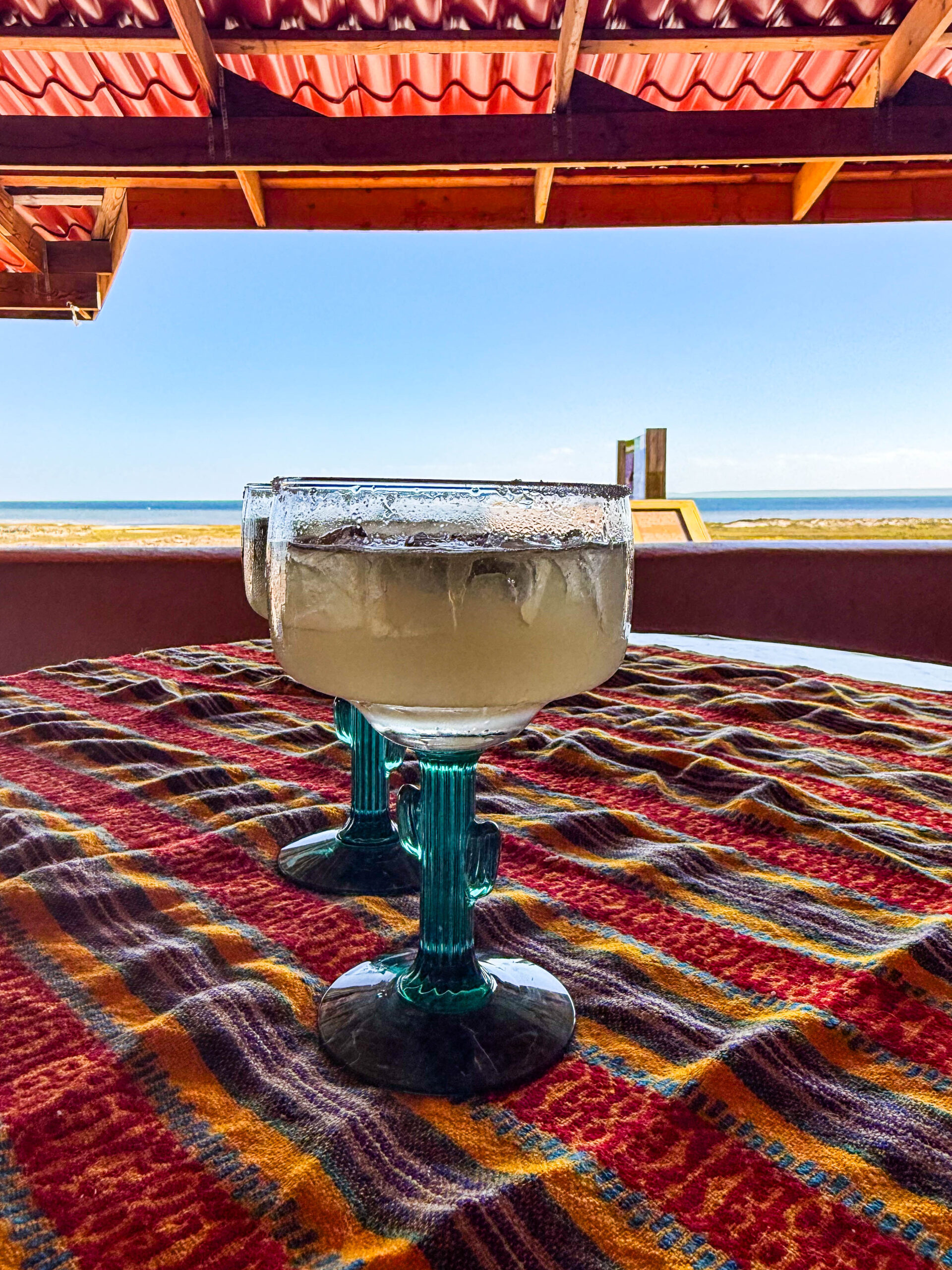
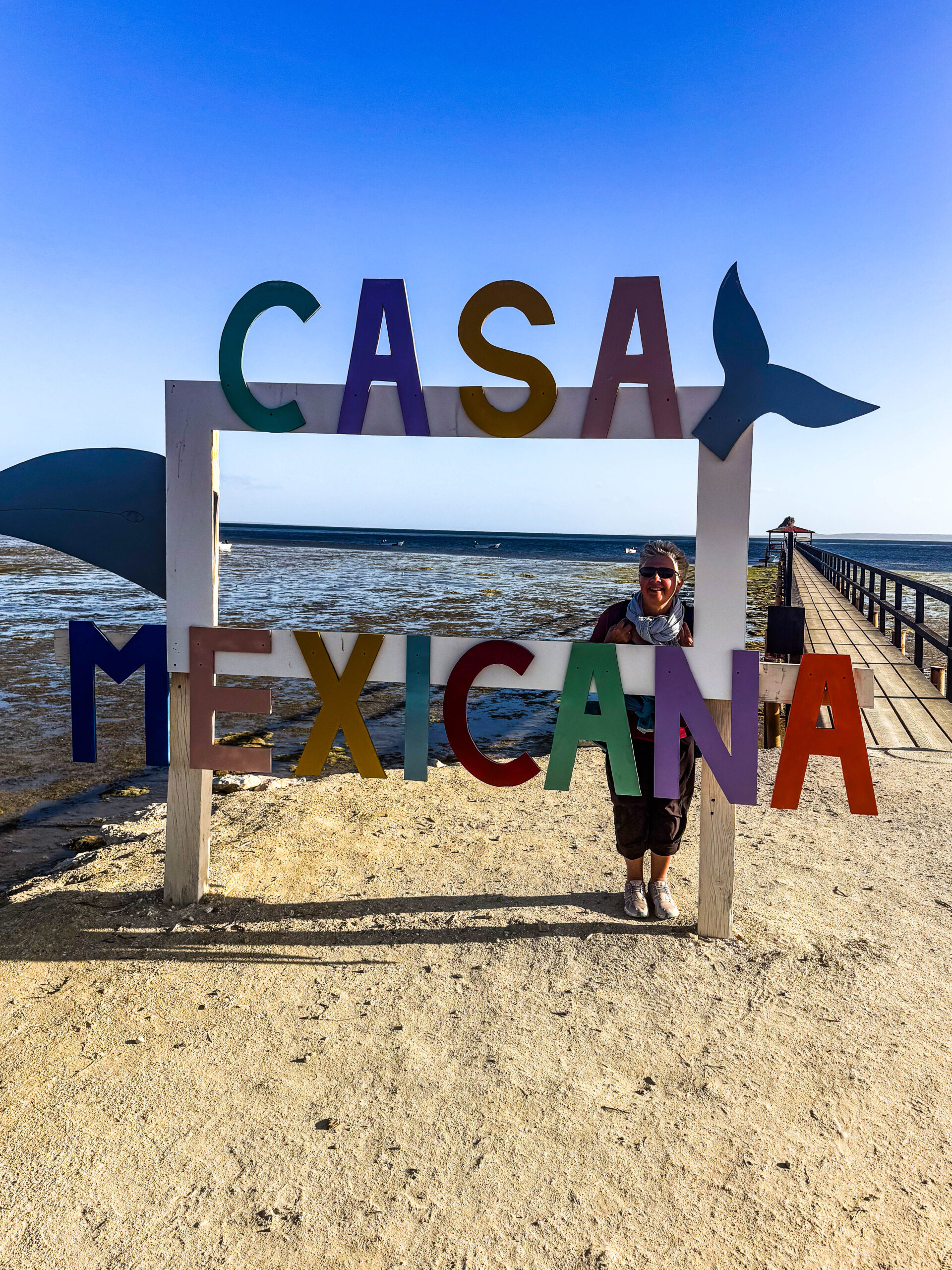
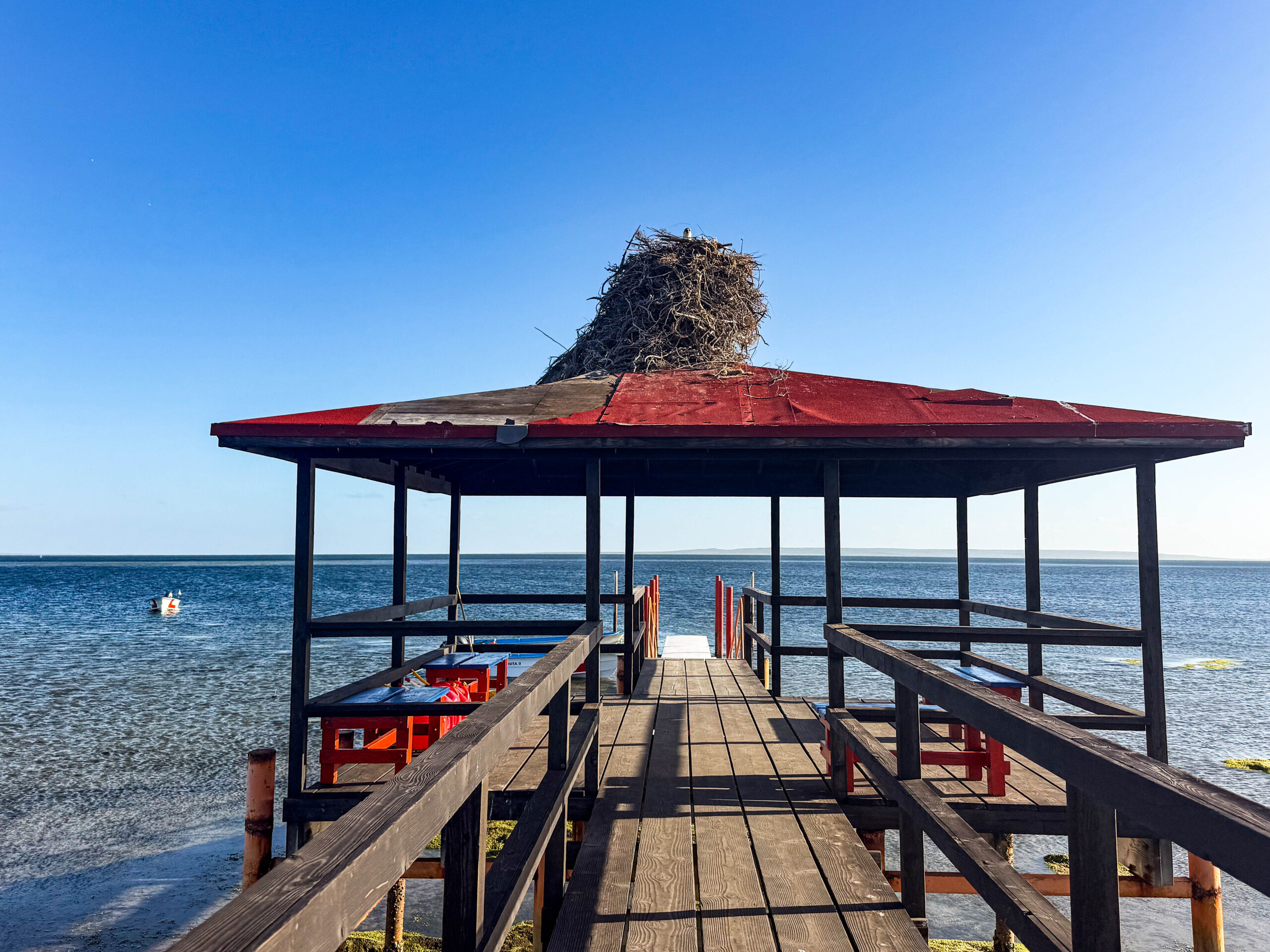
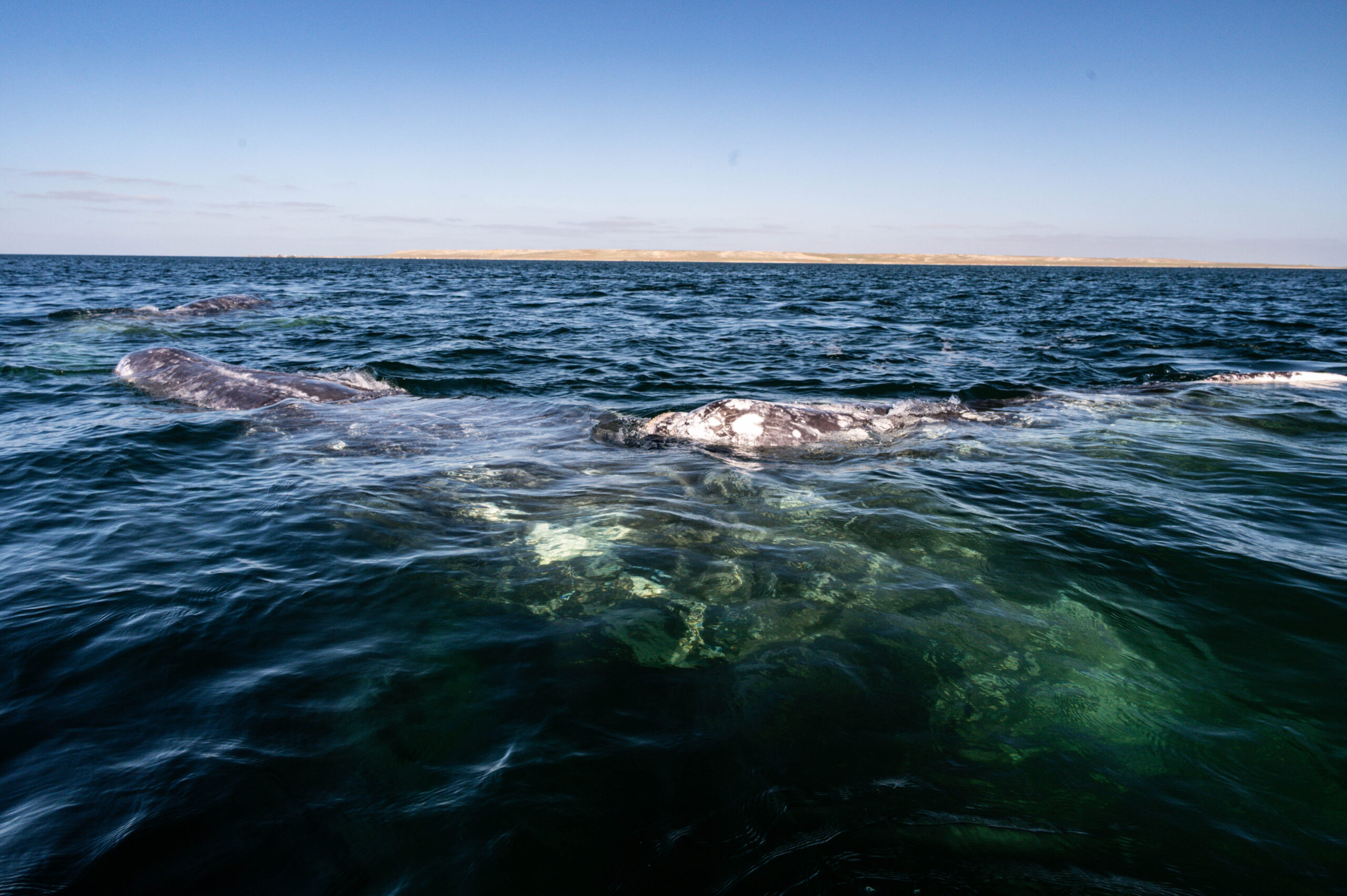
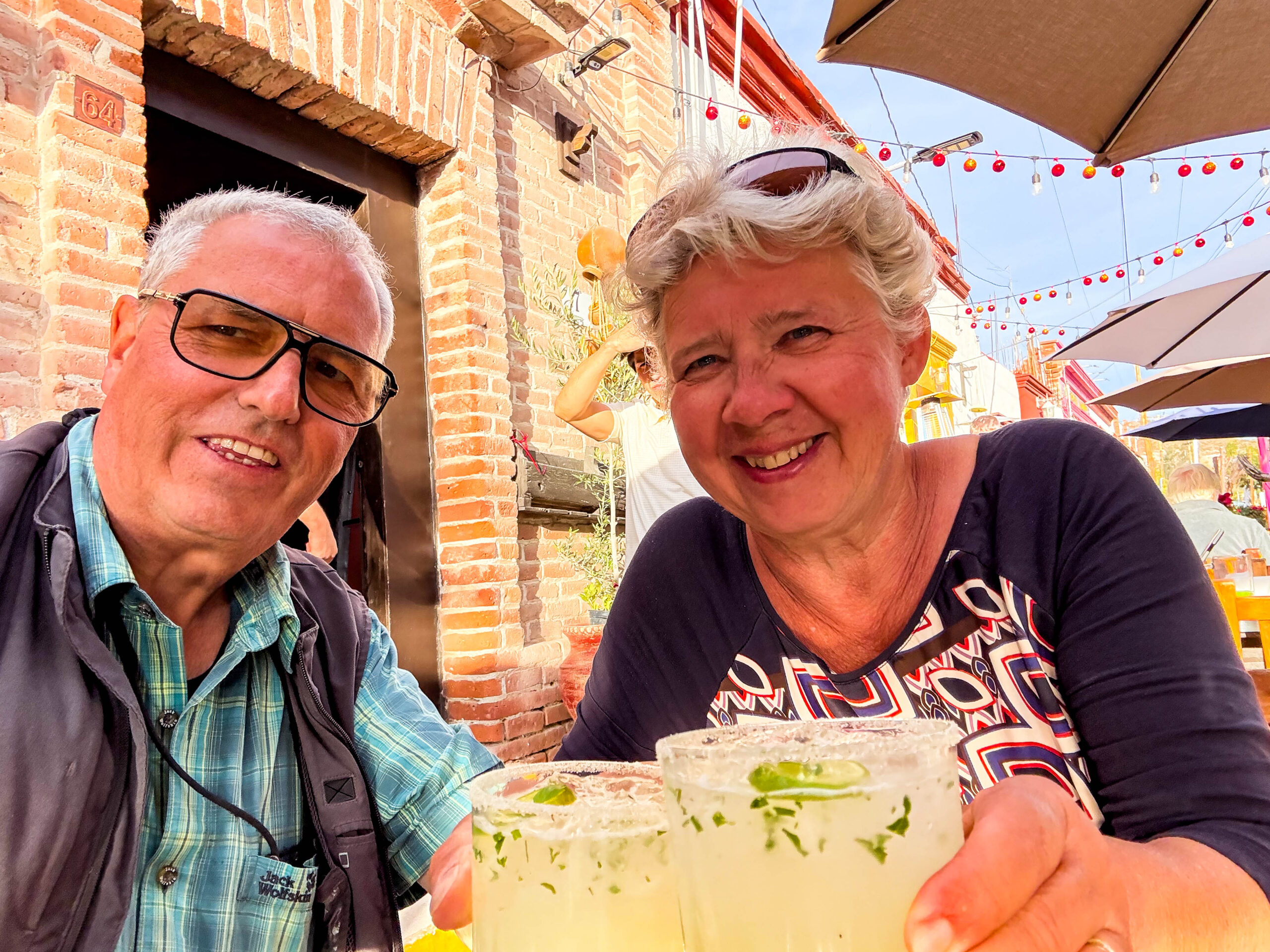
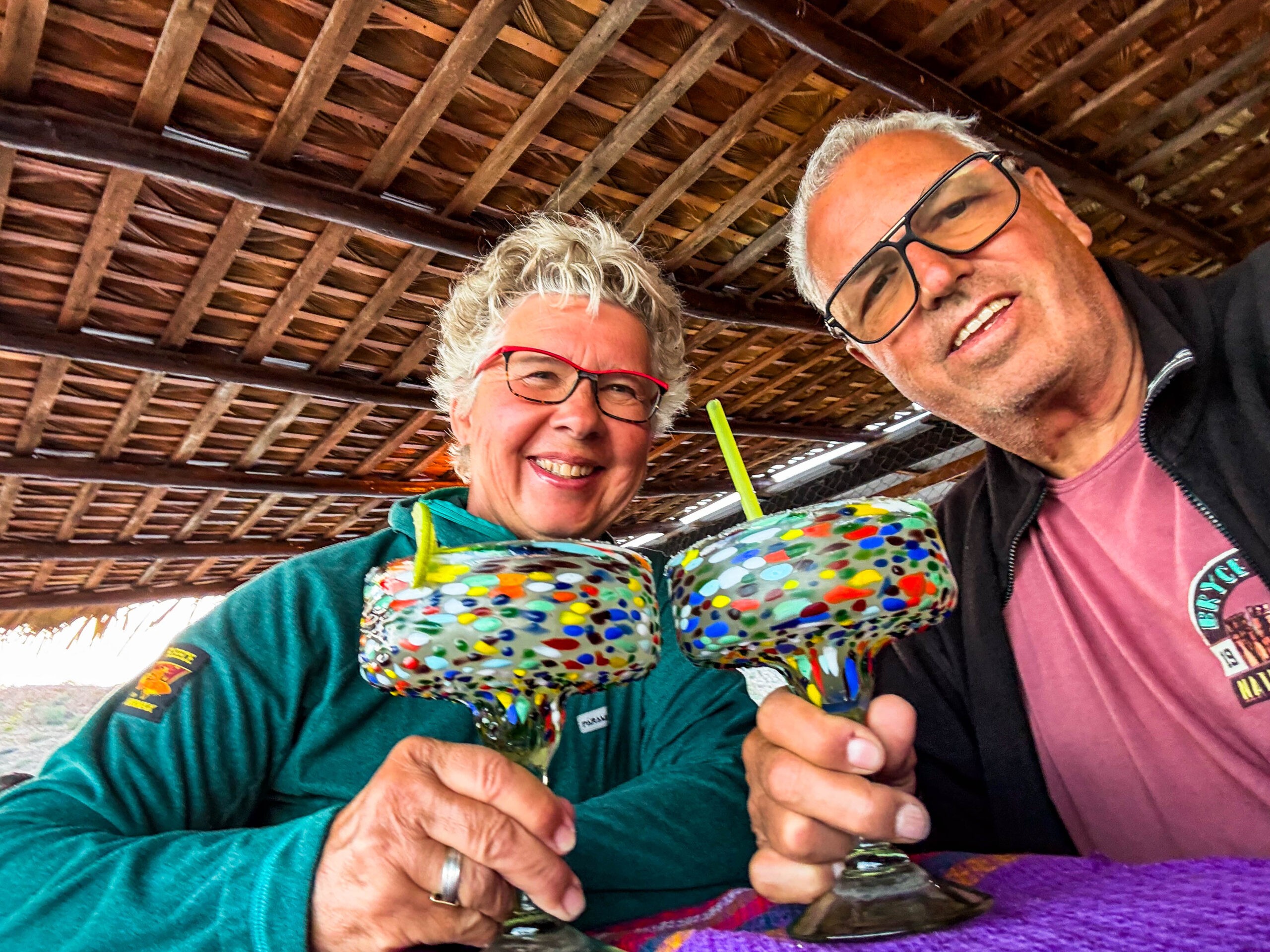
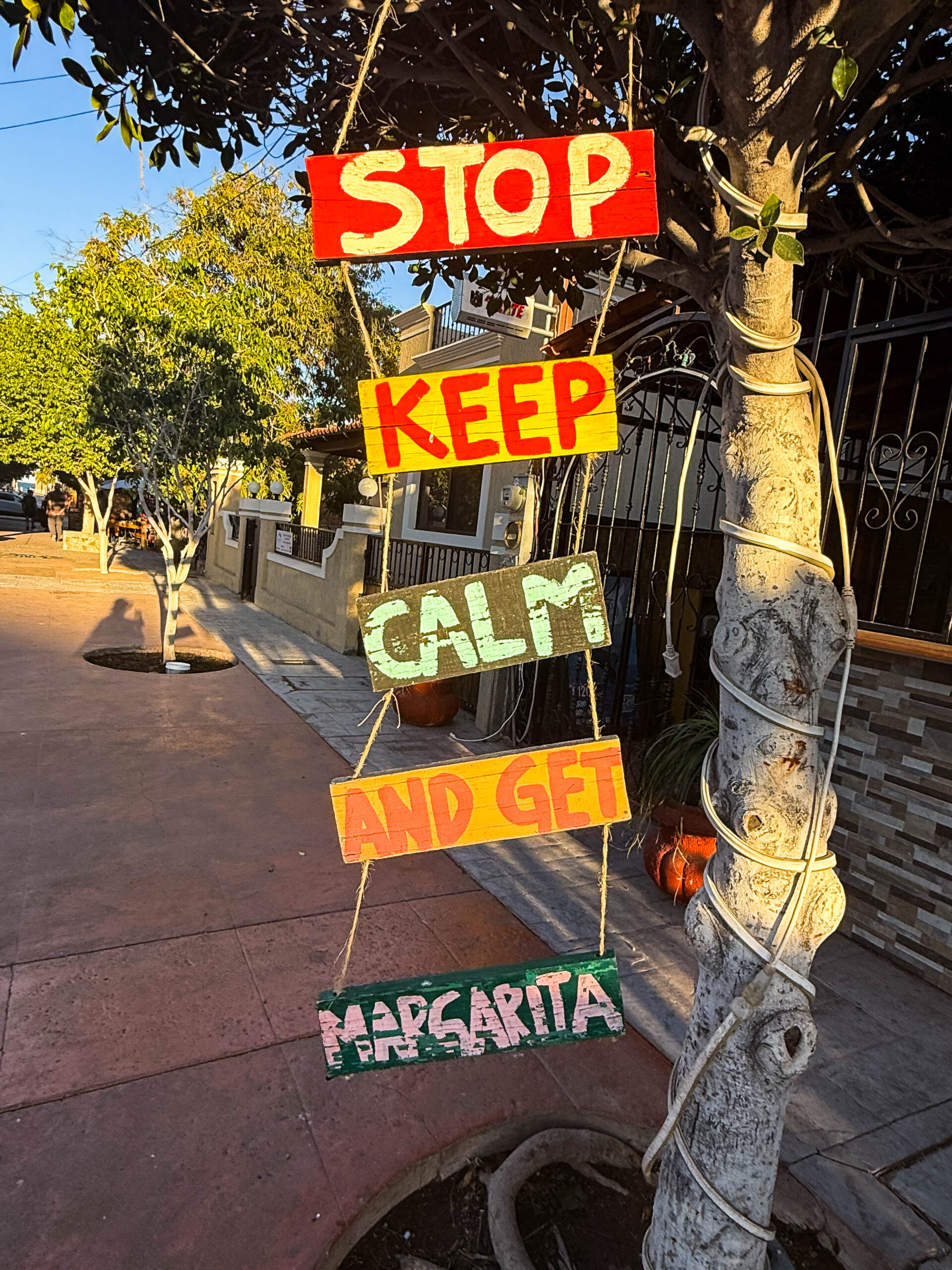
Am nächsten Tag sehen wir Grauwale und Delfine, leider weit draußen in der Lagune, auf den heruntergekommenen Toilettenhäuschen Nester von Ospreys, die sehr mieslaunig reagieren, wenn man es wagt, ihre Ruhe zu stören. Wir laufen zur Station und machen zusammen mit Sabine und Marco einen Whalewatchtermin für den nächsten Morgen aus. Die erste mexikanische Margarita sowie Ceviche und Garnelen-Tacos runden den Tag ab.
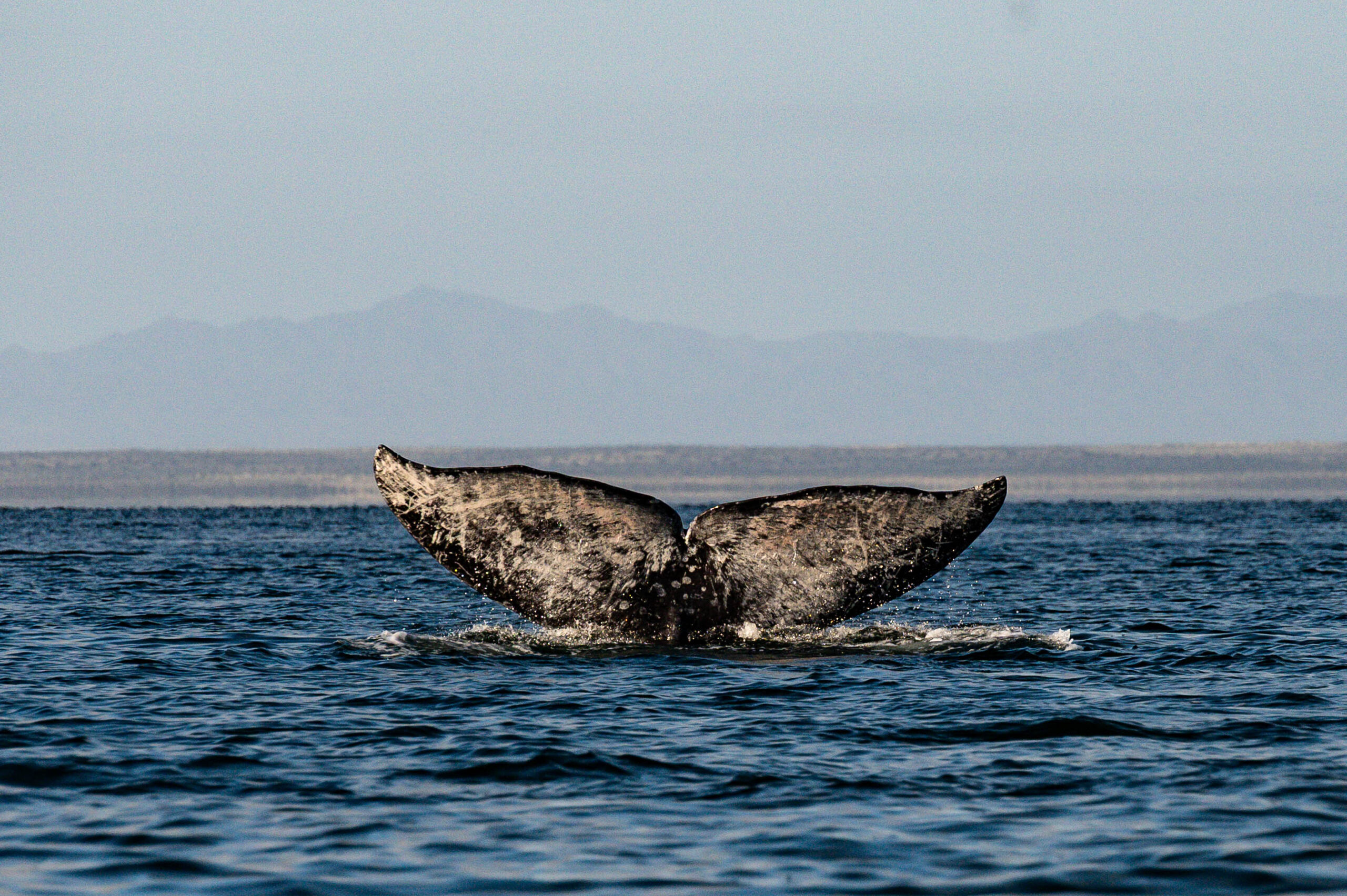
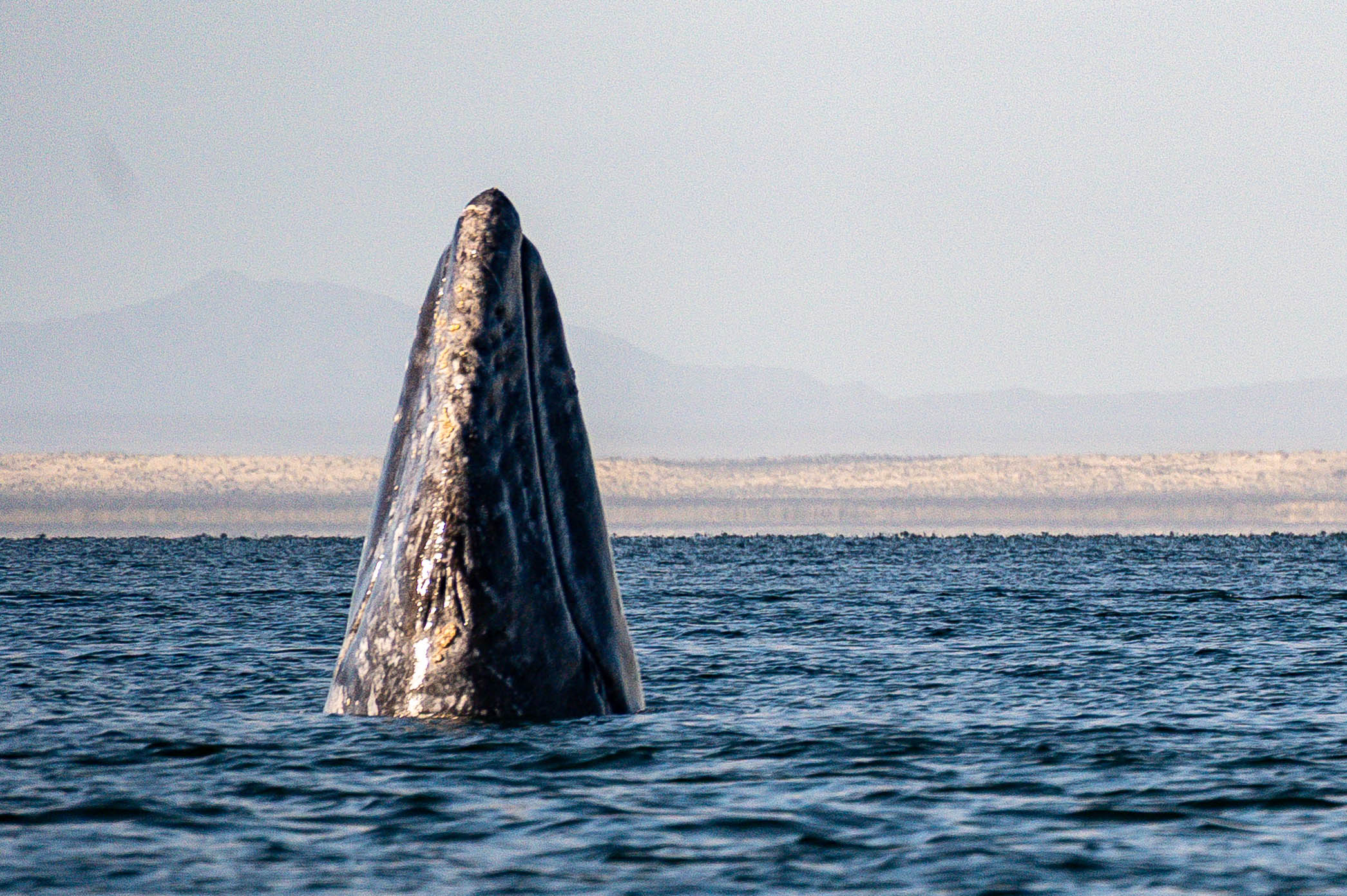
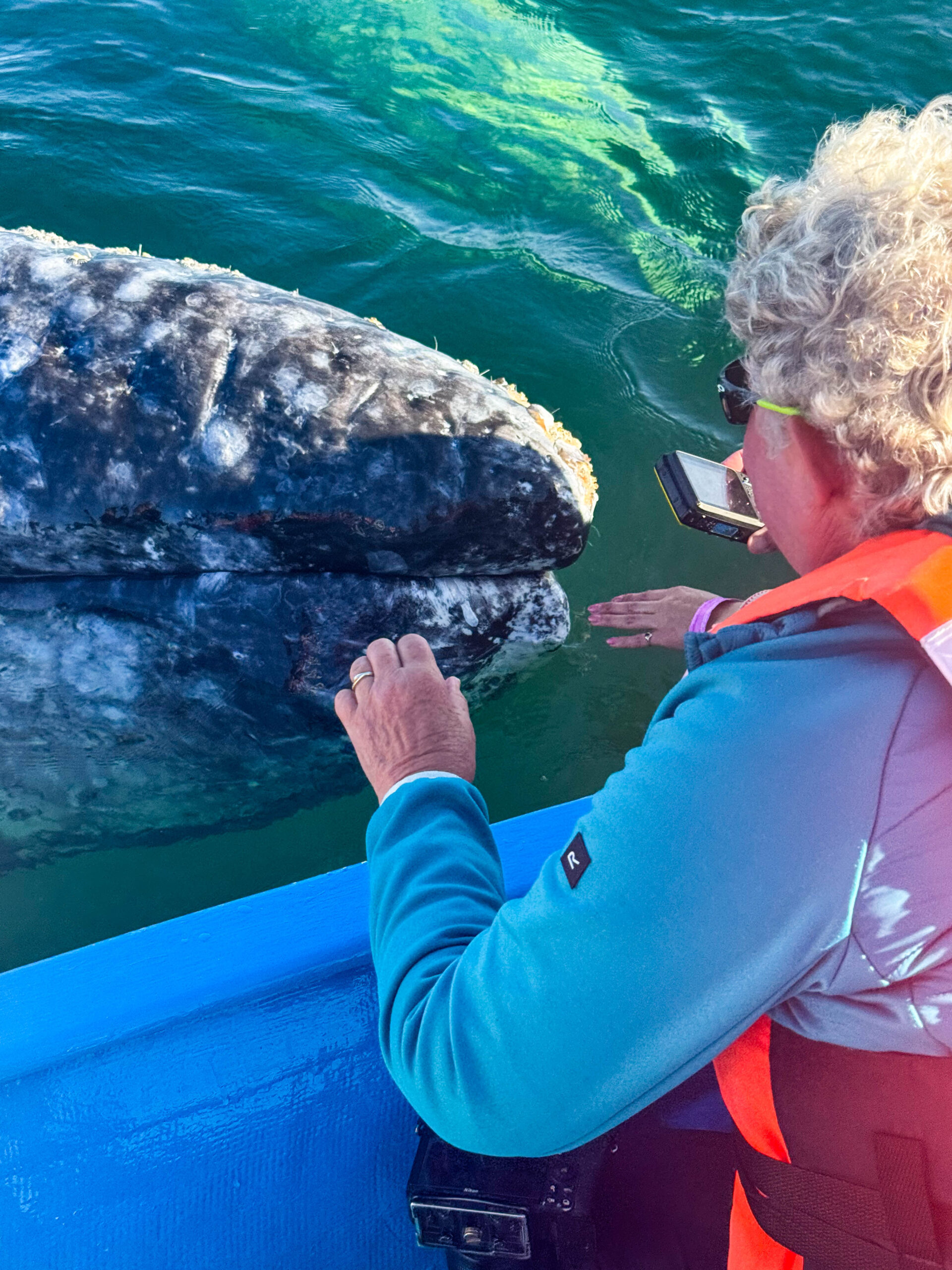
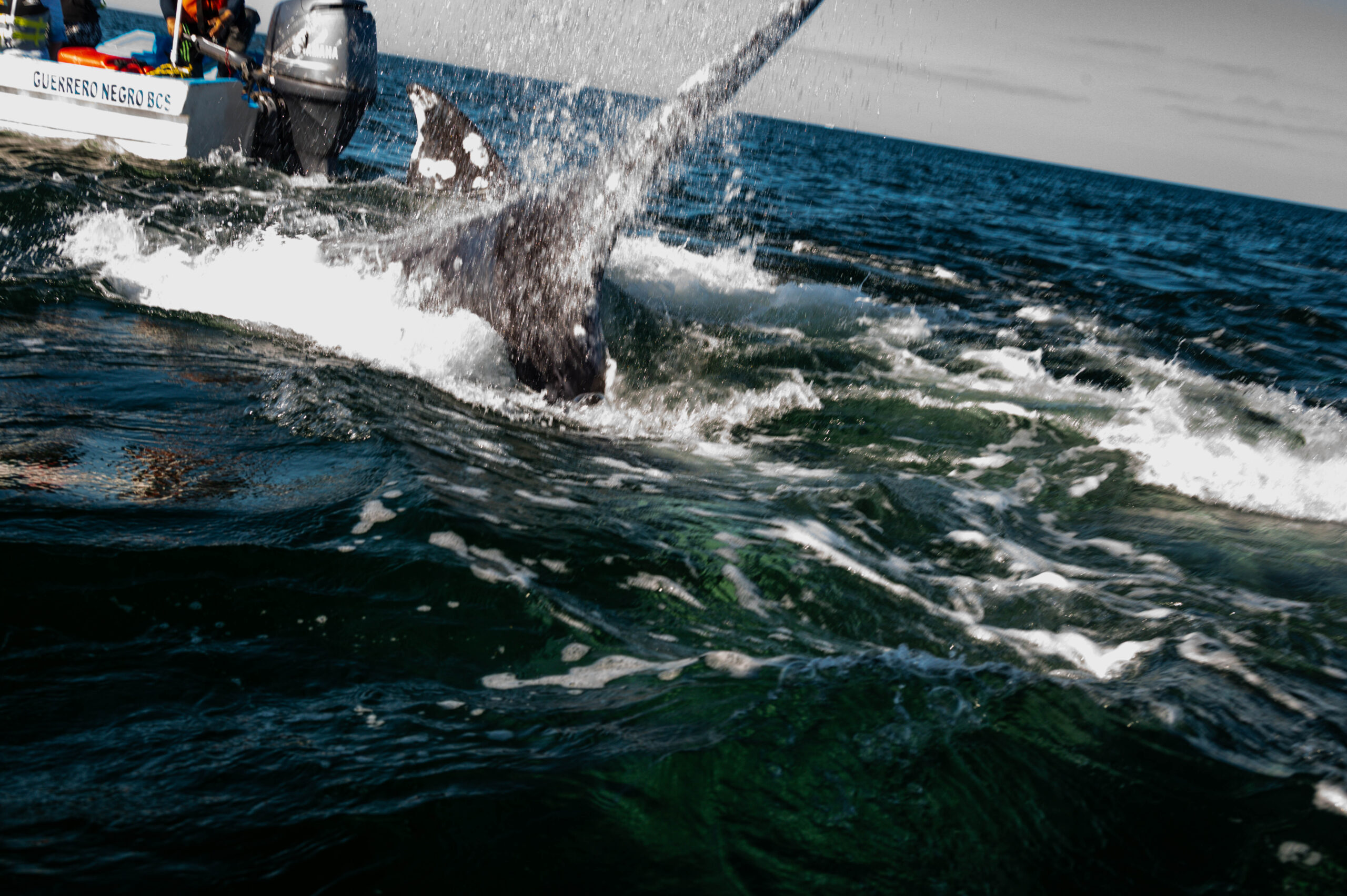
Eine Walbeobachtungstour der Superlative am nächsten Morgen. Die Buckelwale kommen tatsächlich von sich aus zum Boot und wollen angefaßt werden. Unglaubliche Bilder setzen sich im Kopf fest. Jeder hat die Chance einen Wal zu berühren. Sie tauchen unter dem Boot und neben der Bordwand auf, recken die Köpfe neugierig aus dem Wasser, wollen berührt werden, strecken geradezu ihre Flossen uns entgegen. Fantastische Momente. Im Laufe des Abends tatsächlich ein Iveco aus Neuss als Nachbarn.
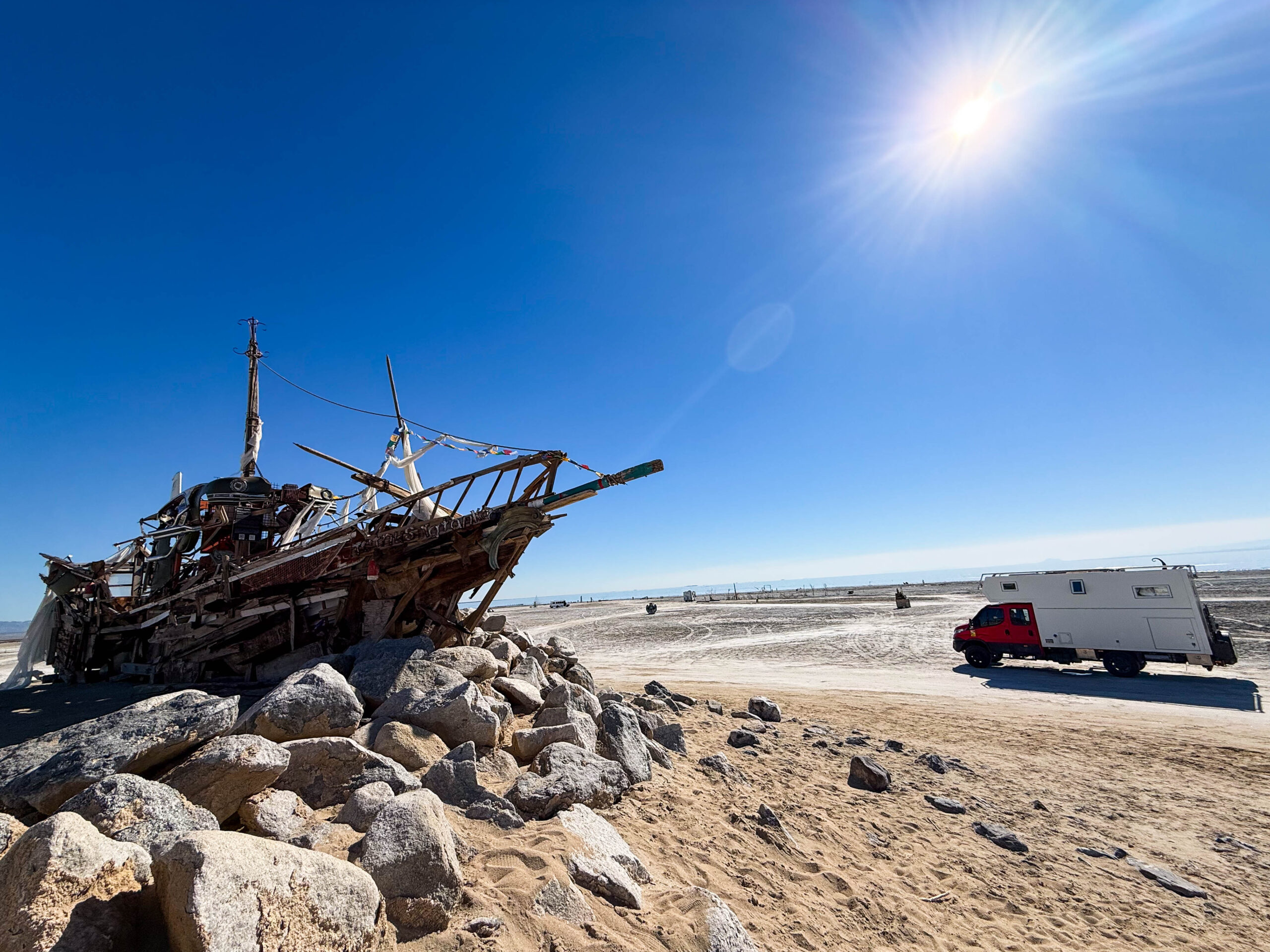
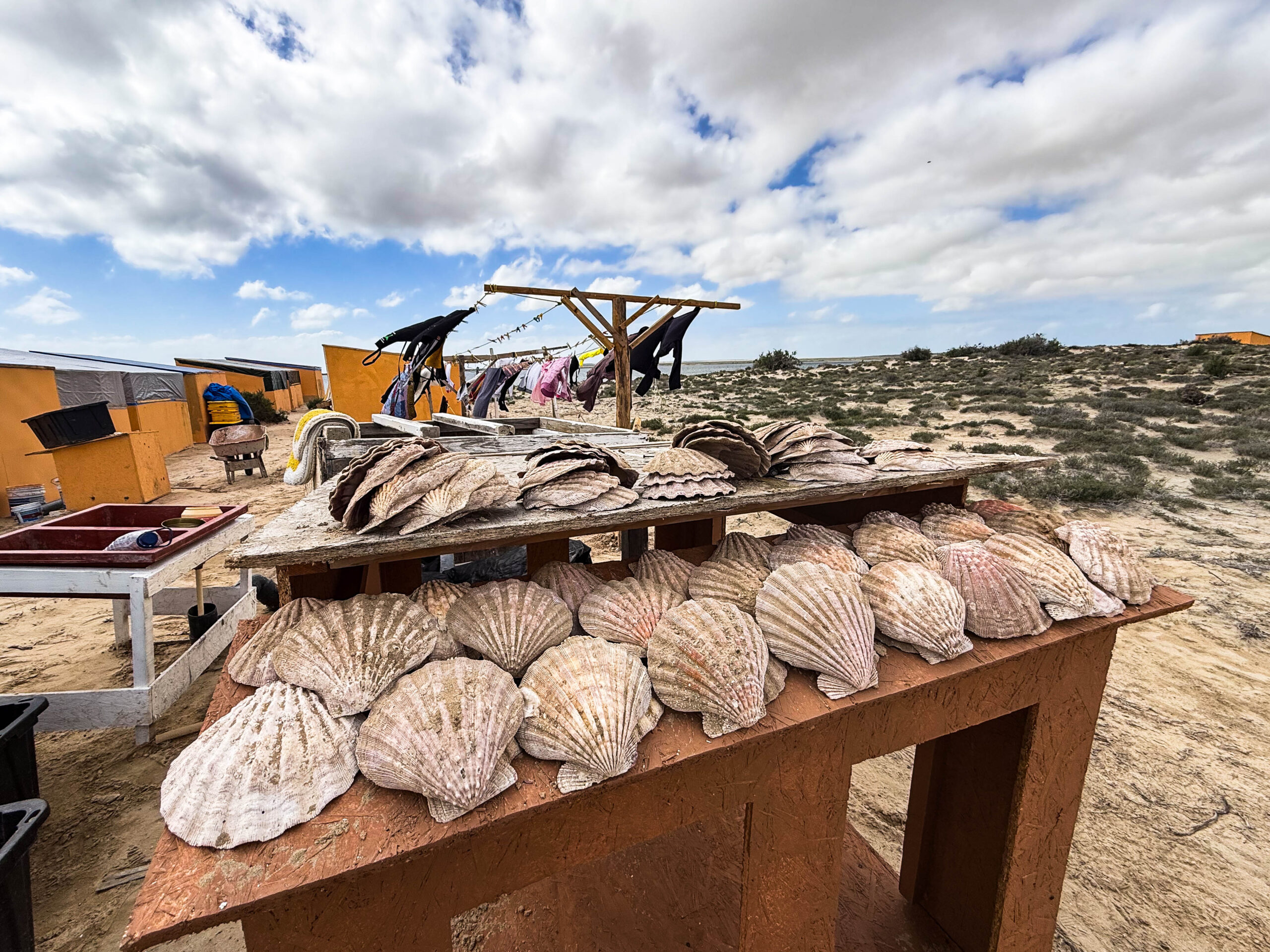
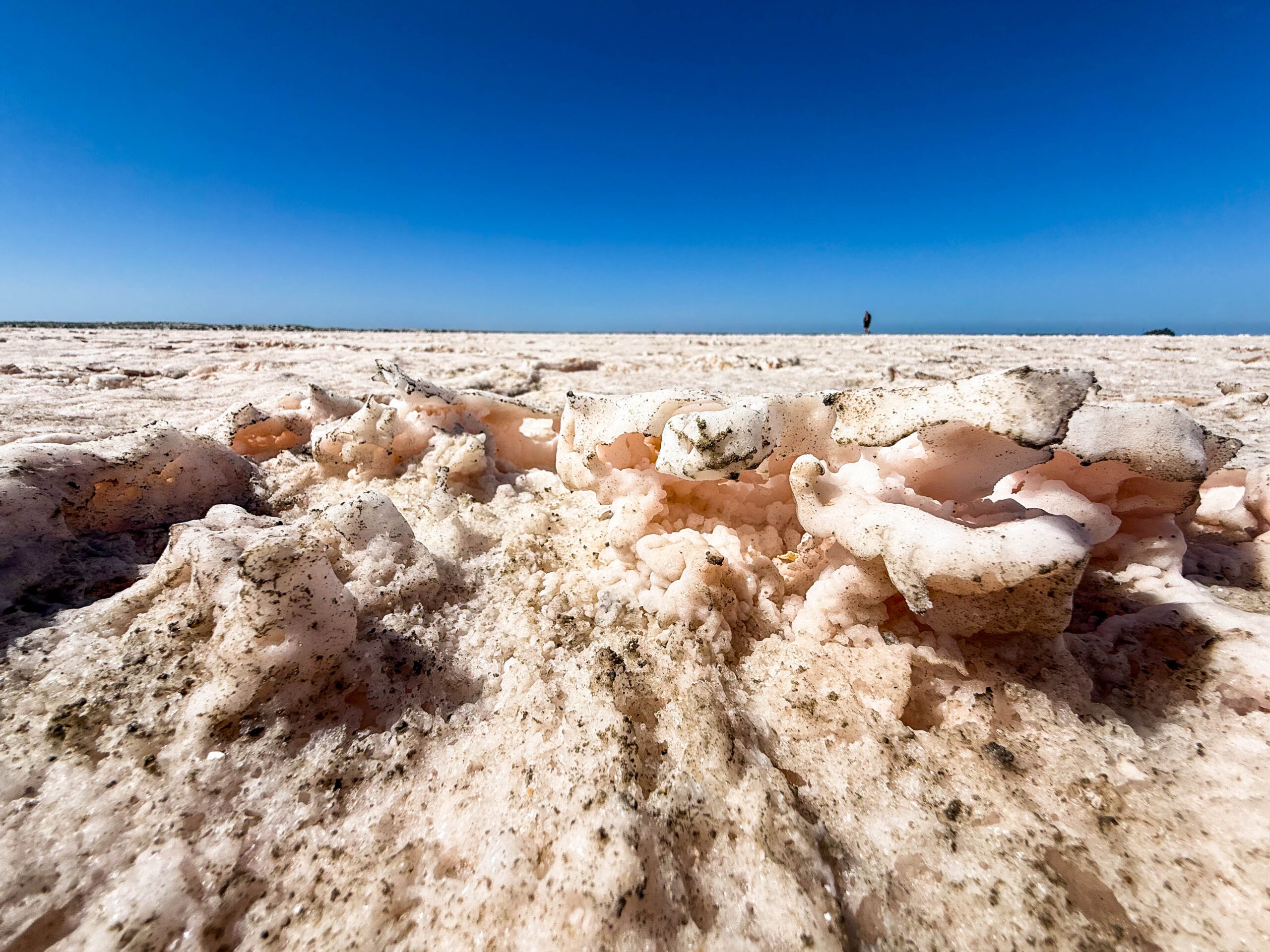
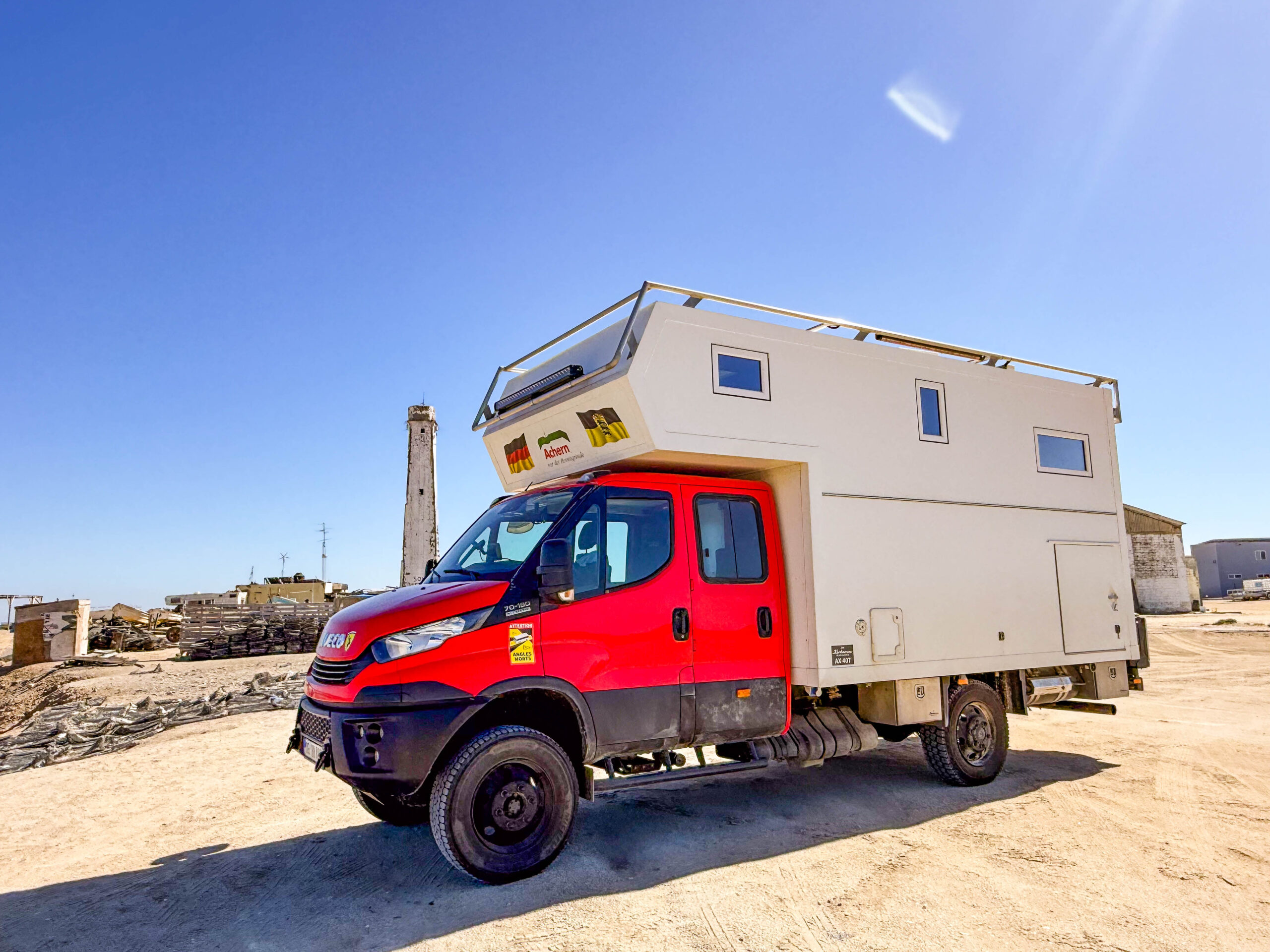
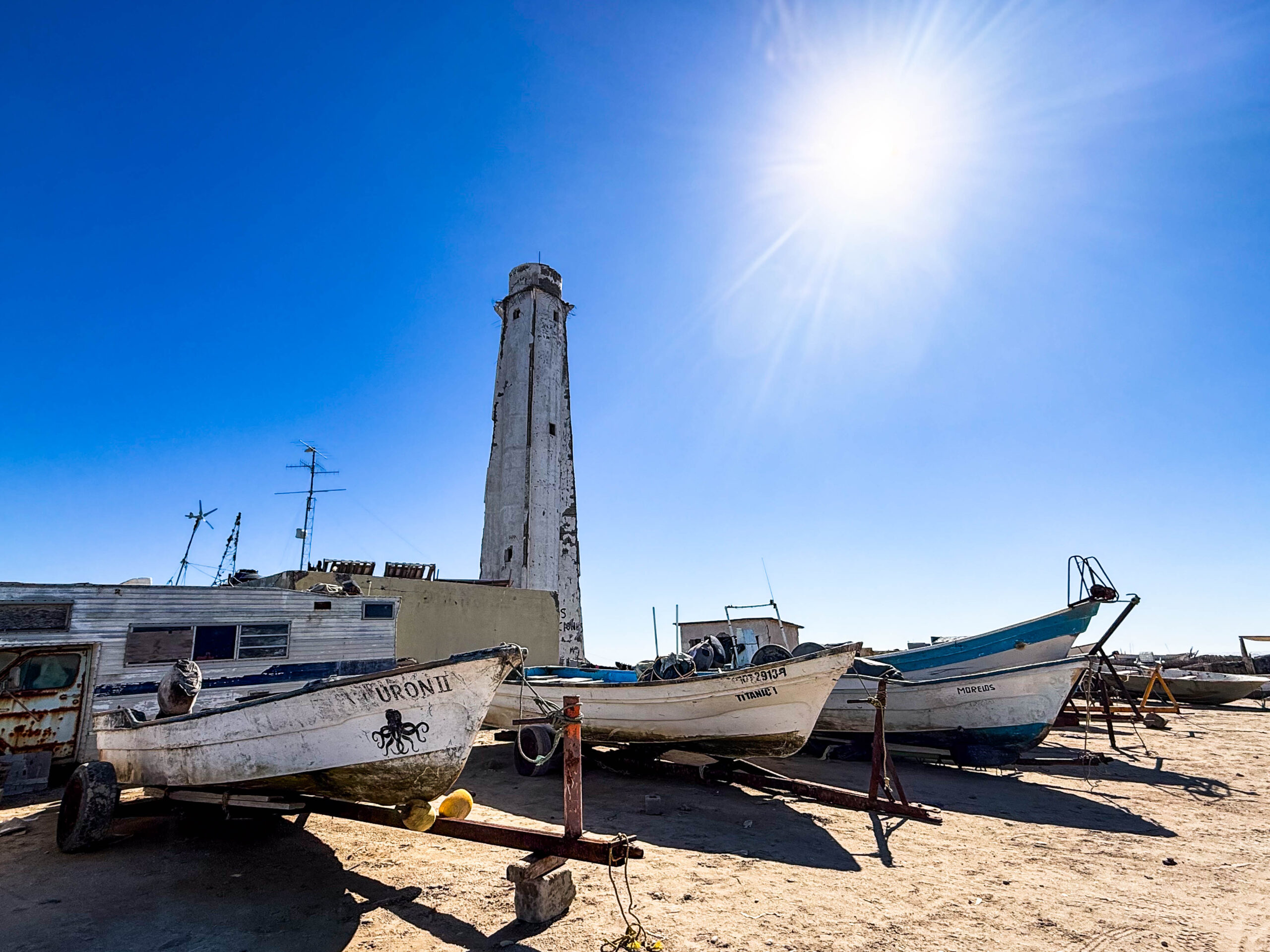
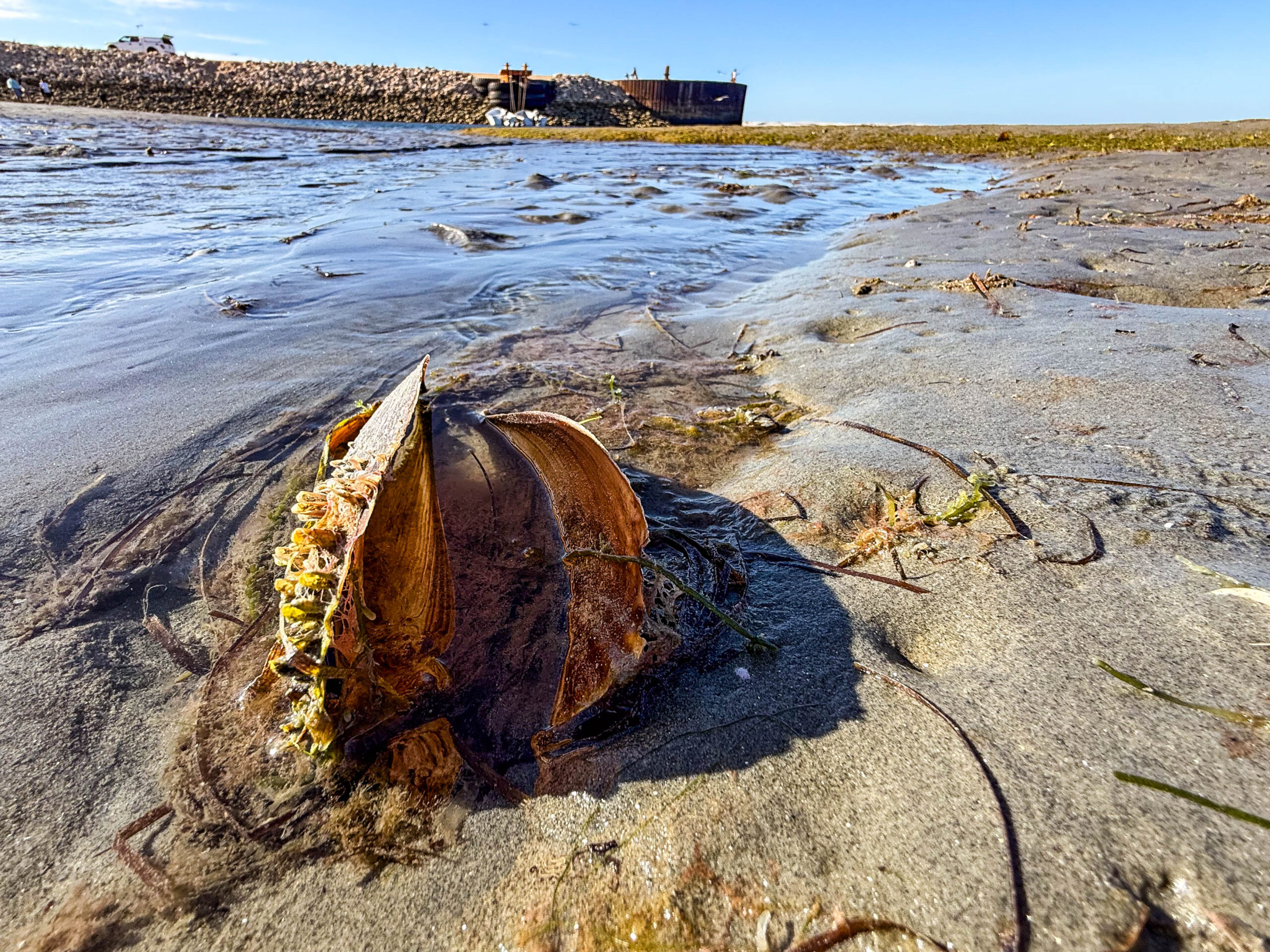
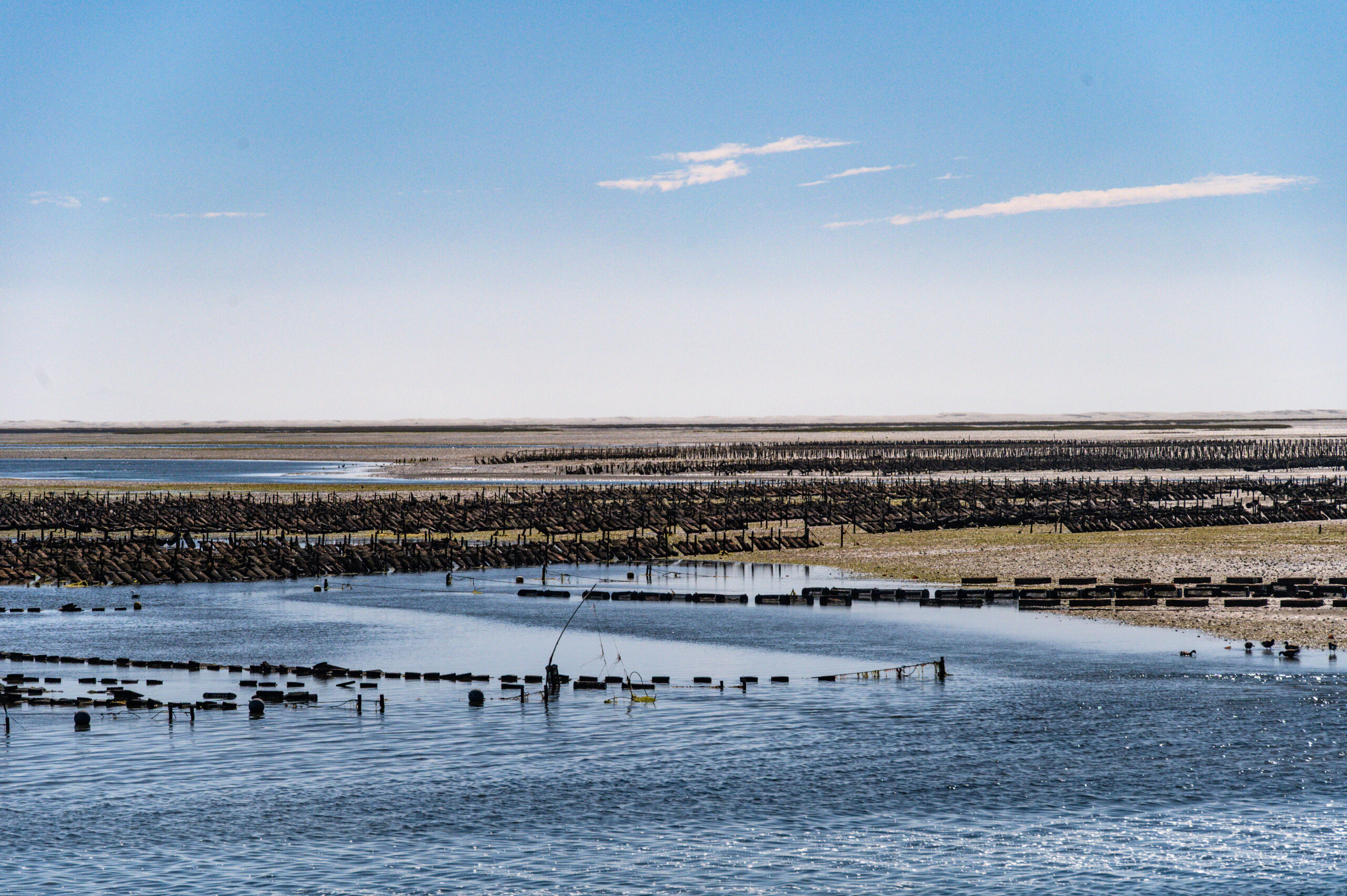
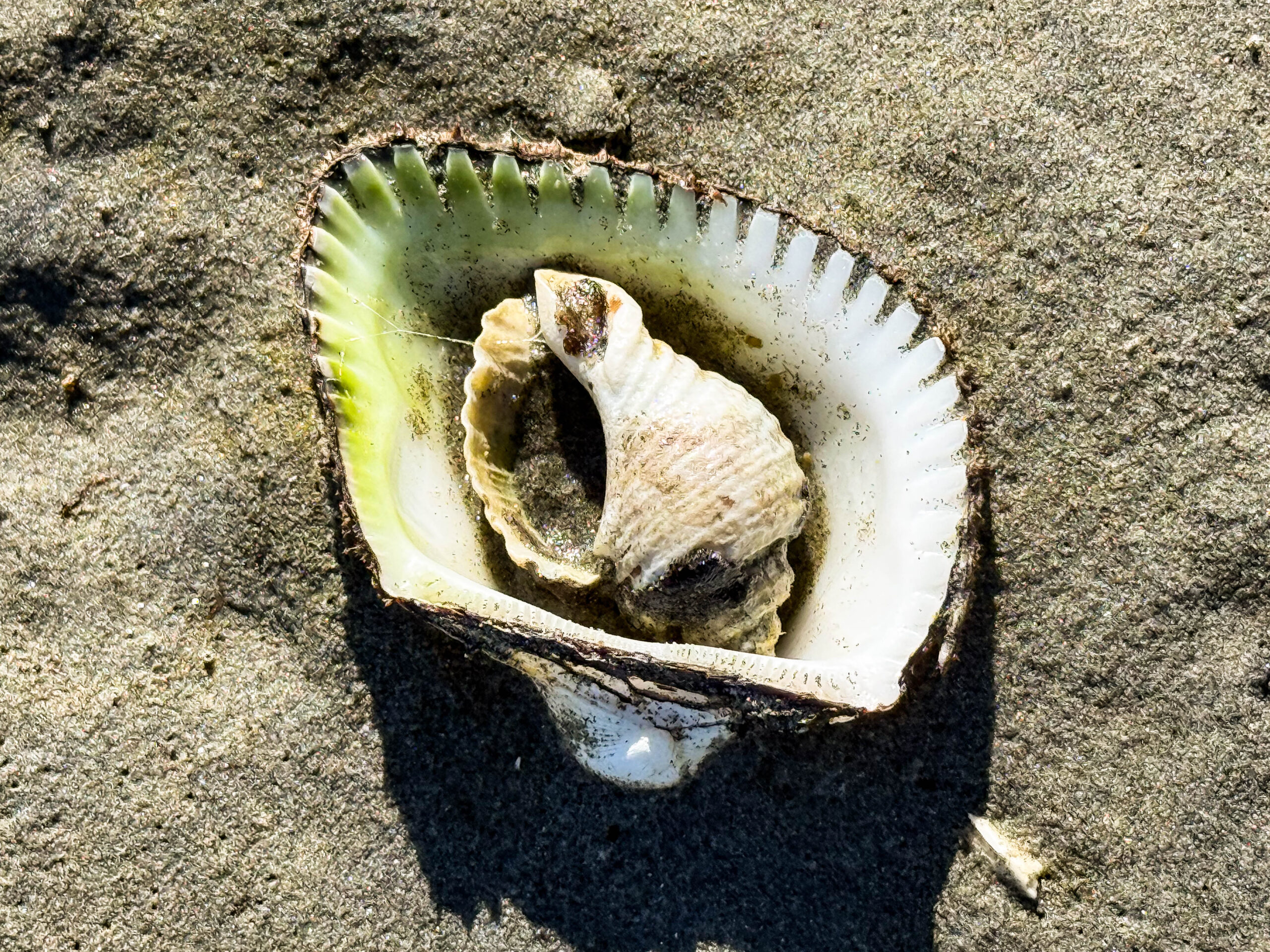
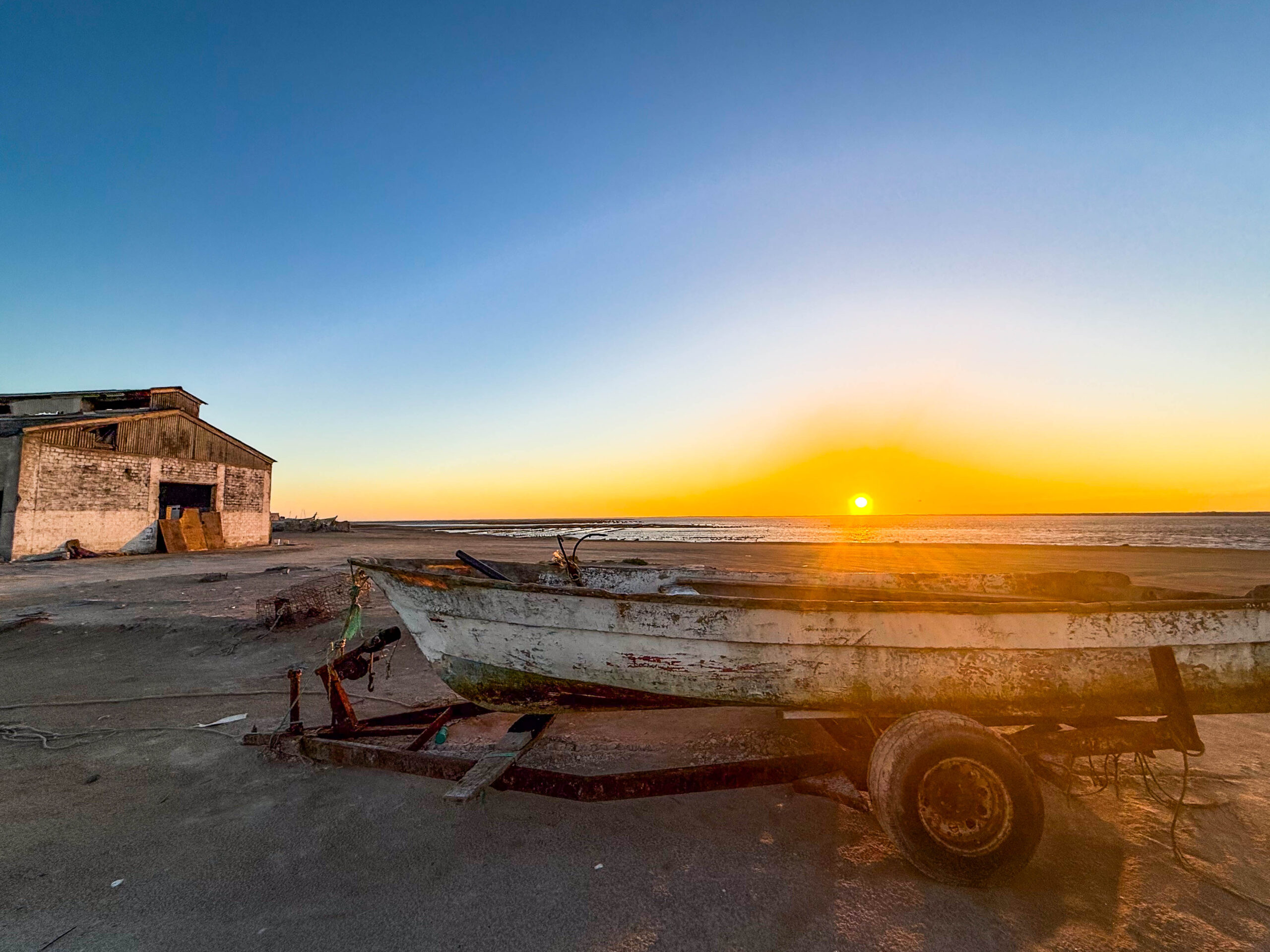
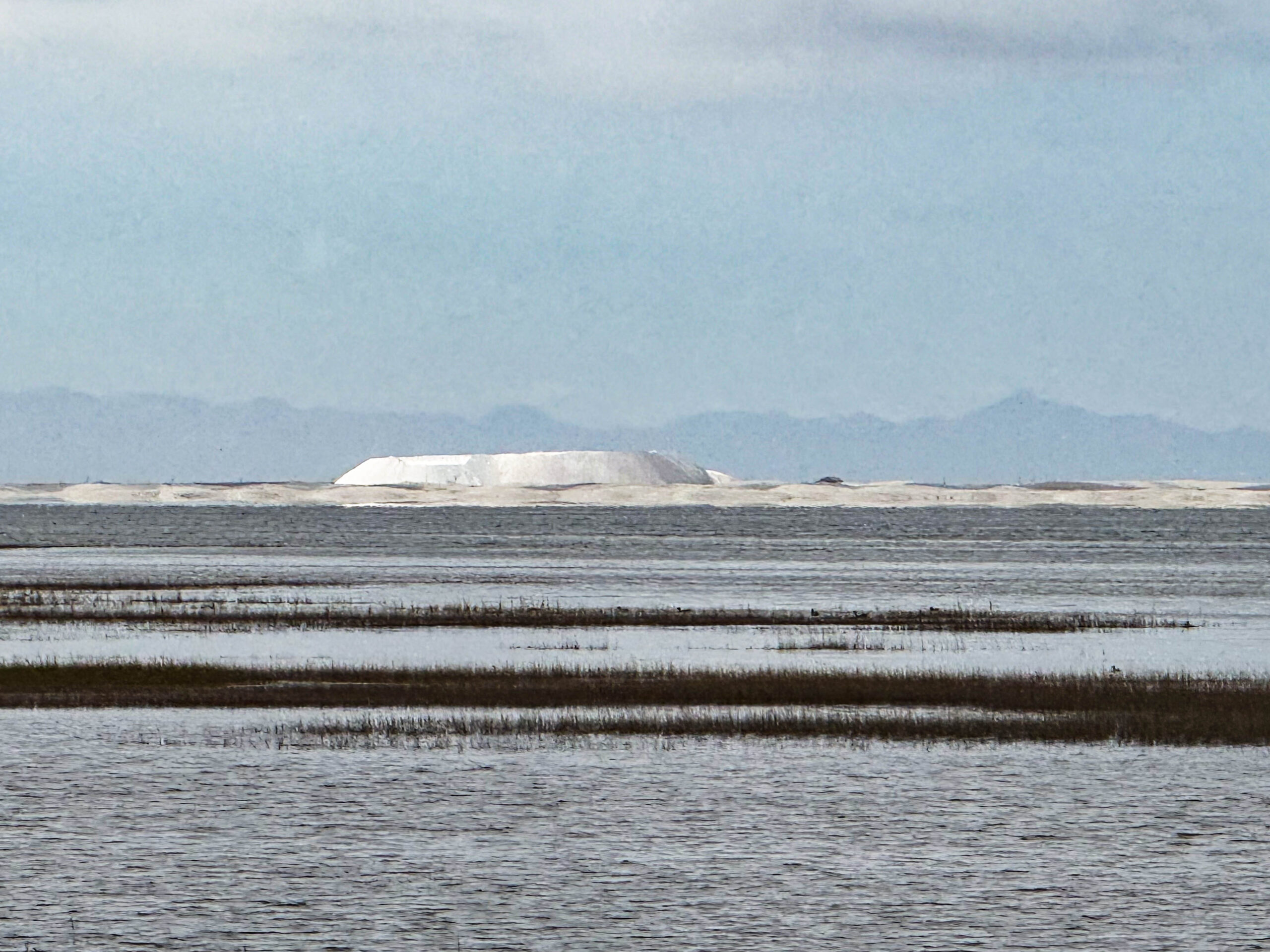
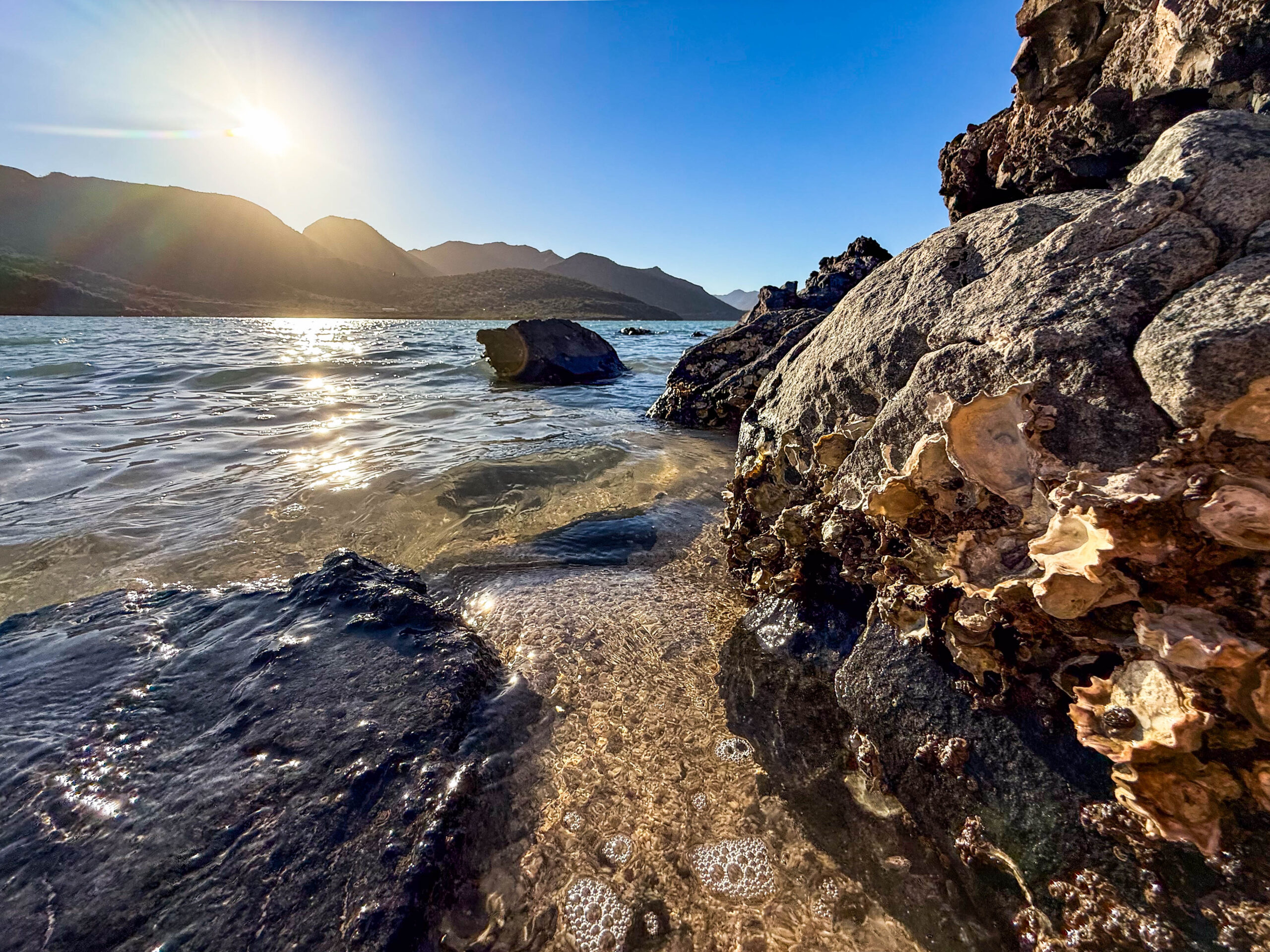
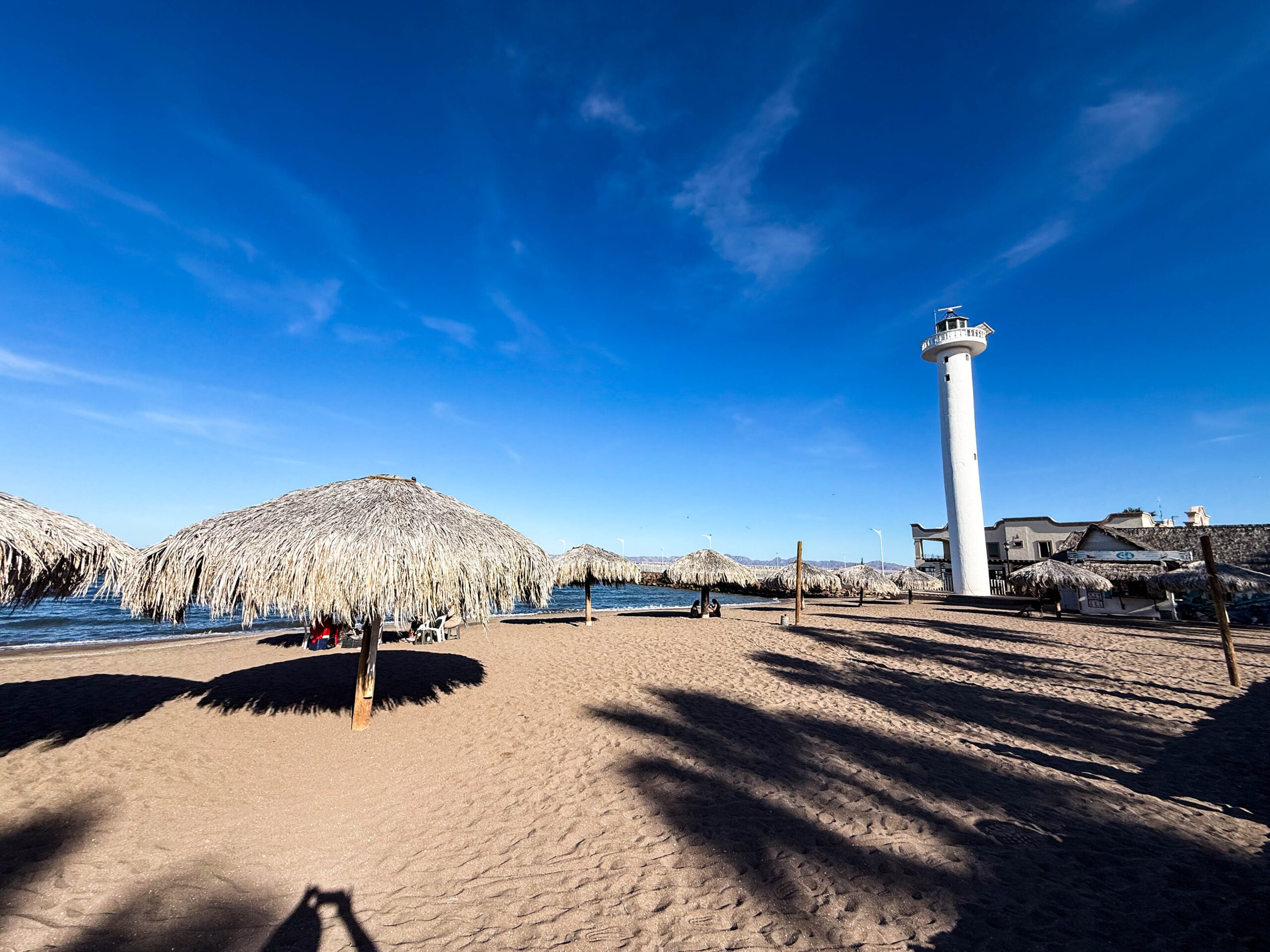
Auf dem Weg zu Los Gariones halten wir an den riesigen Salzflats, immerhin 9% des Weltsalzbedarfes werden hier gewonnen. Viele Muscheln-Sammler (riesige Steck- und Klaffmuscheln) und Angler finden sich rund um dem alten Leuchtturm und die „space “-ig aussehenden ehemaligen Anlegestellen. Vorher Fahrt durch eine Art Salzmarschen vorbei an Austernbänken. Ein Restaurant direkt bei den Austernkörben ist jedoch so abstoßend schrottig, dass wir darauf verzichten hier Austern zu essen.
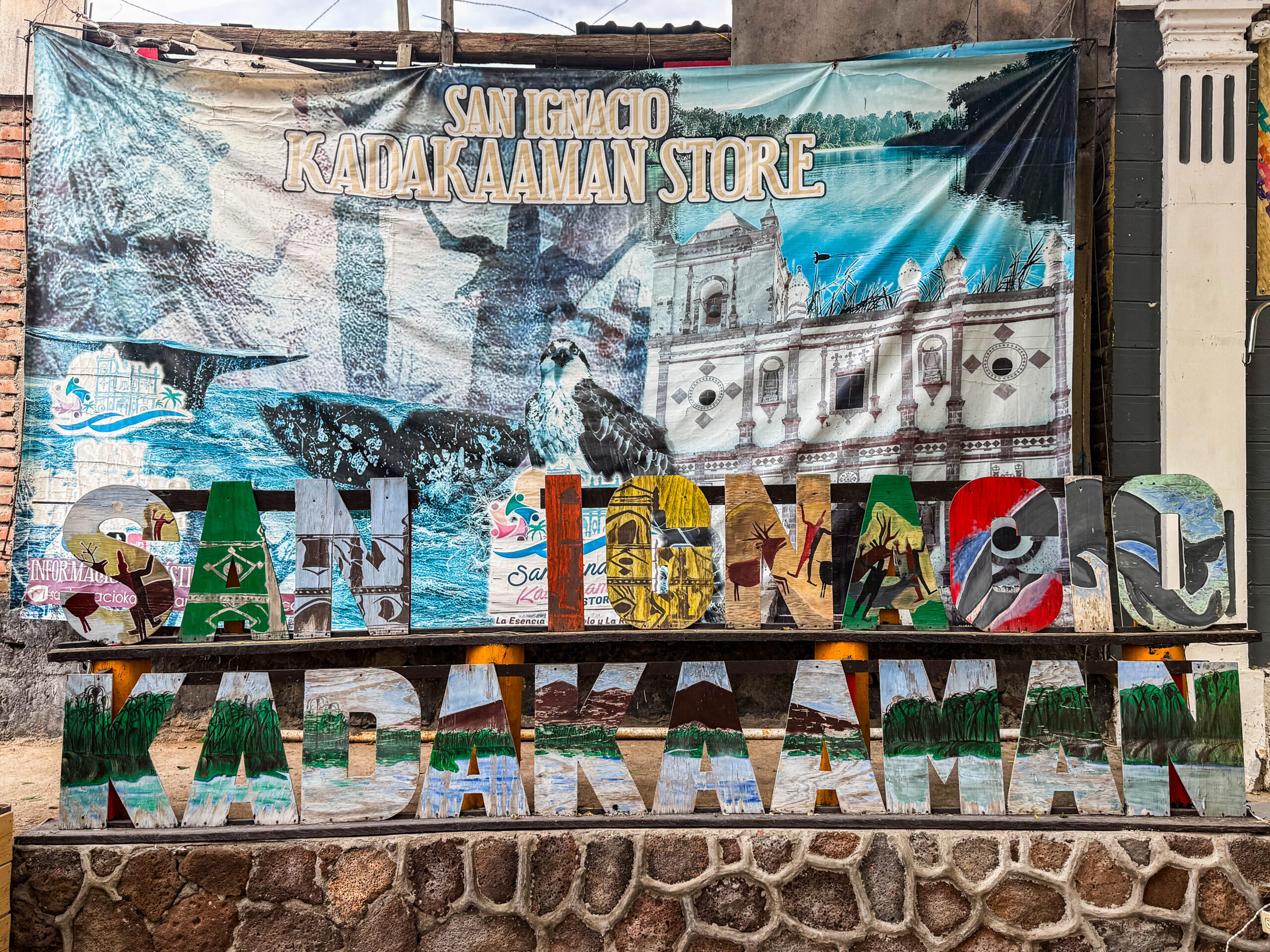
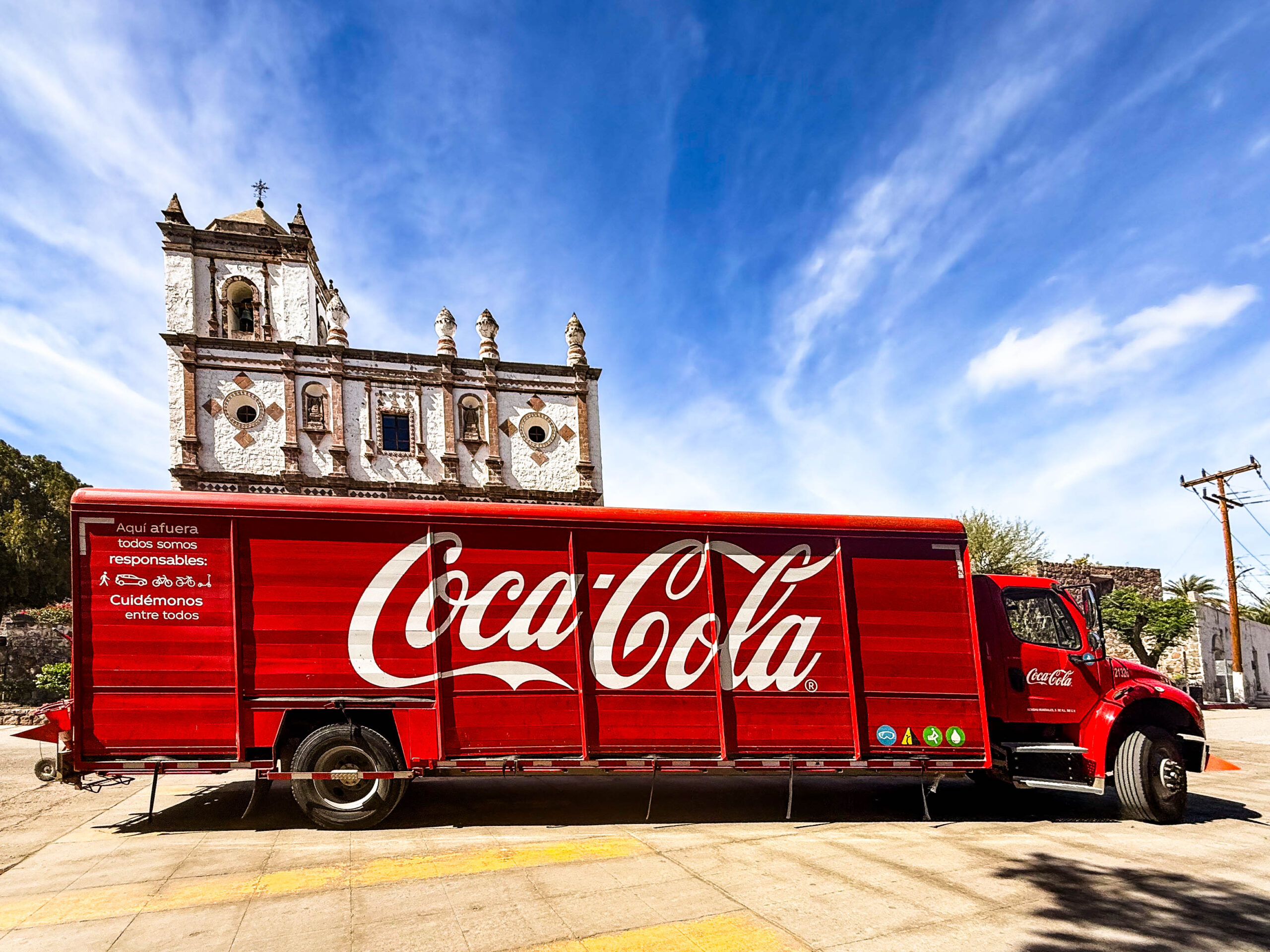
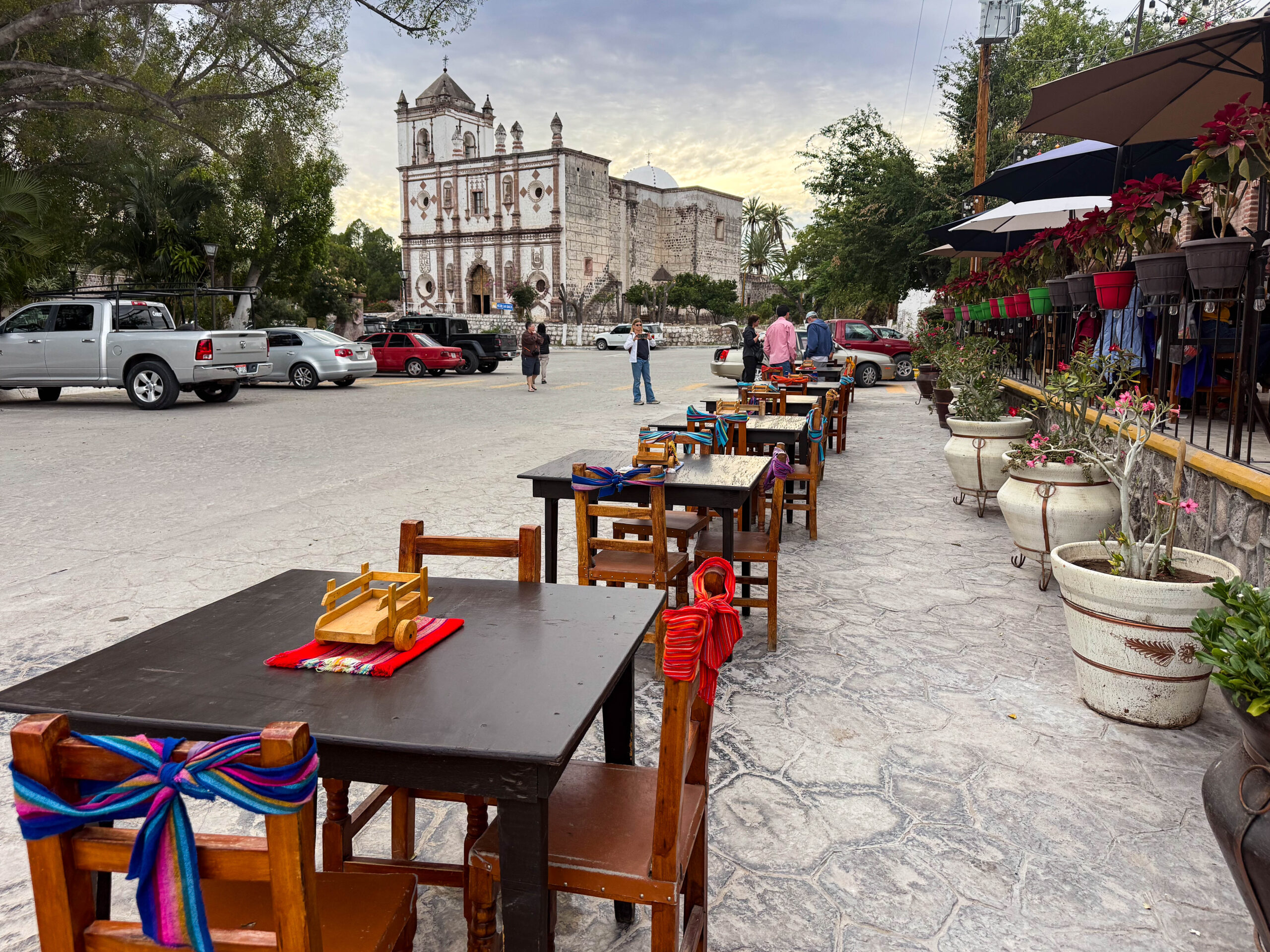
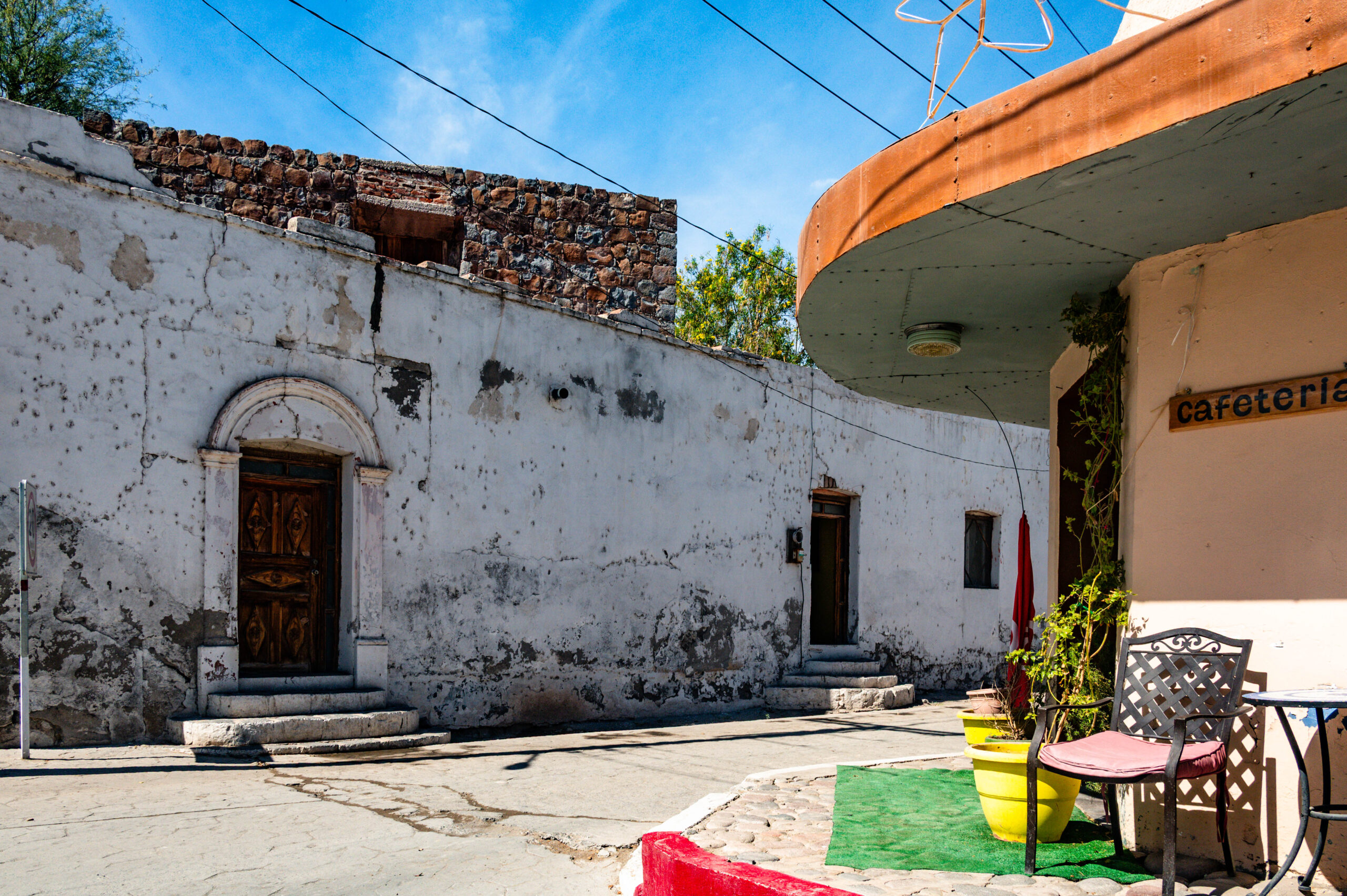
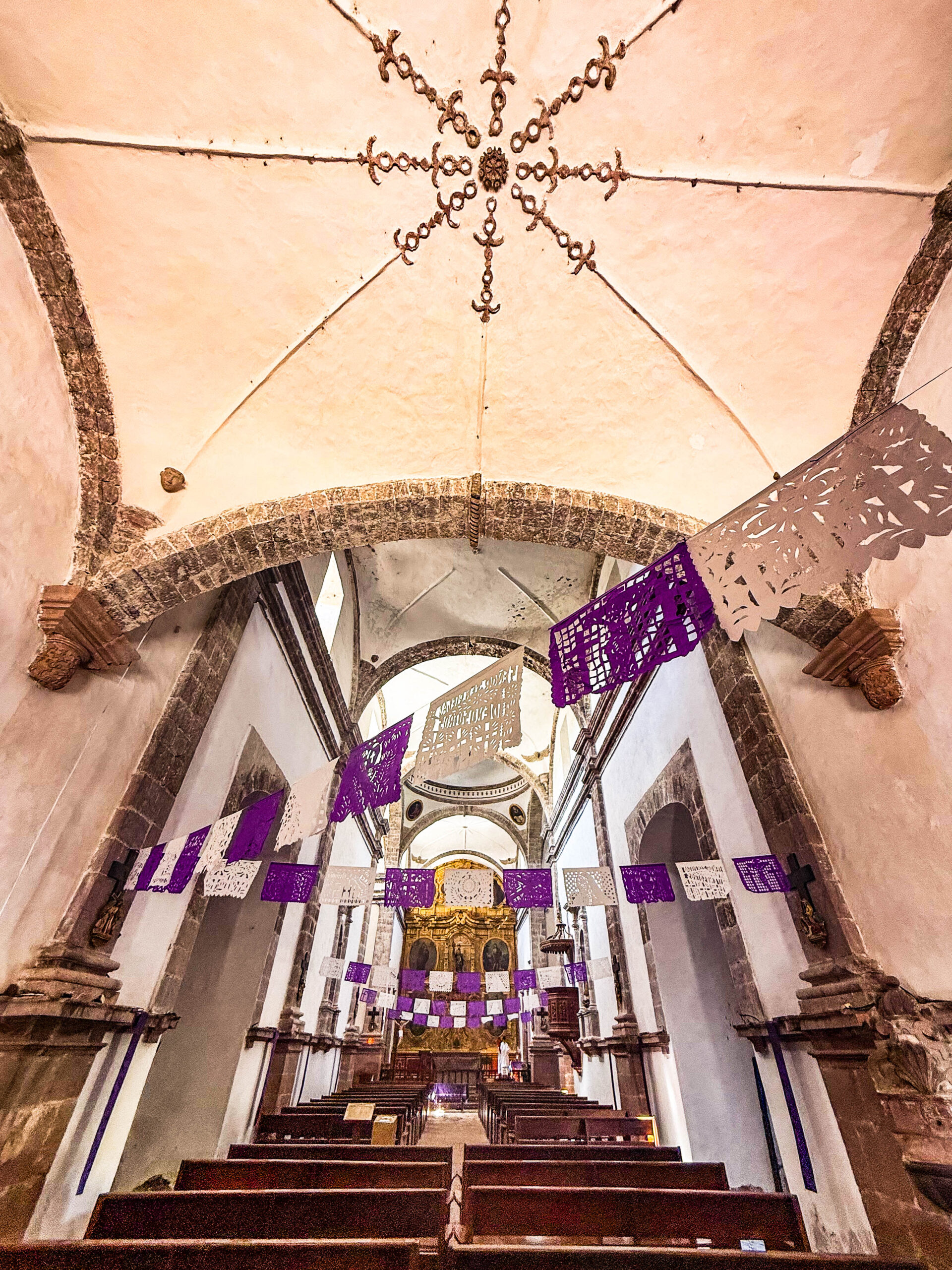
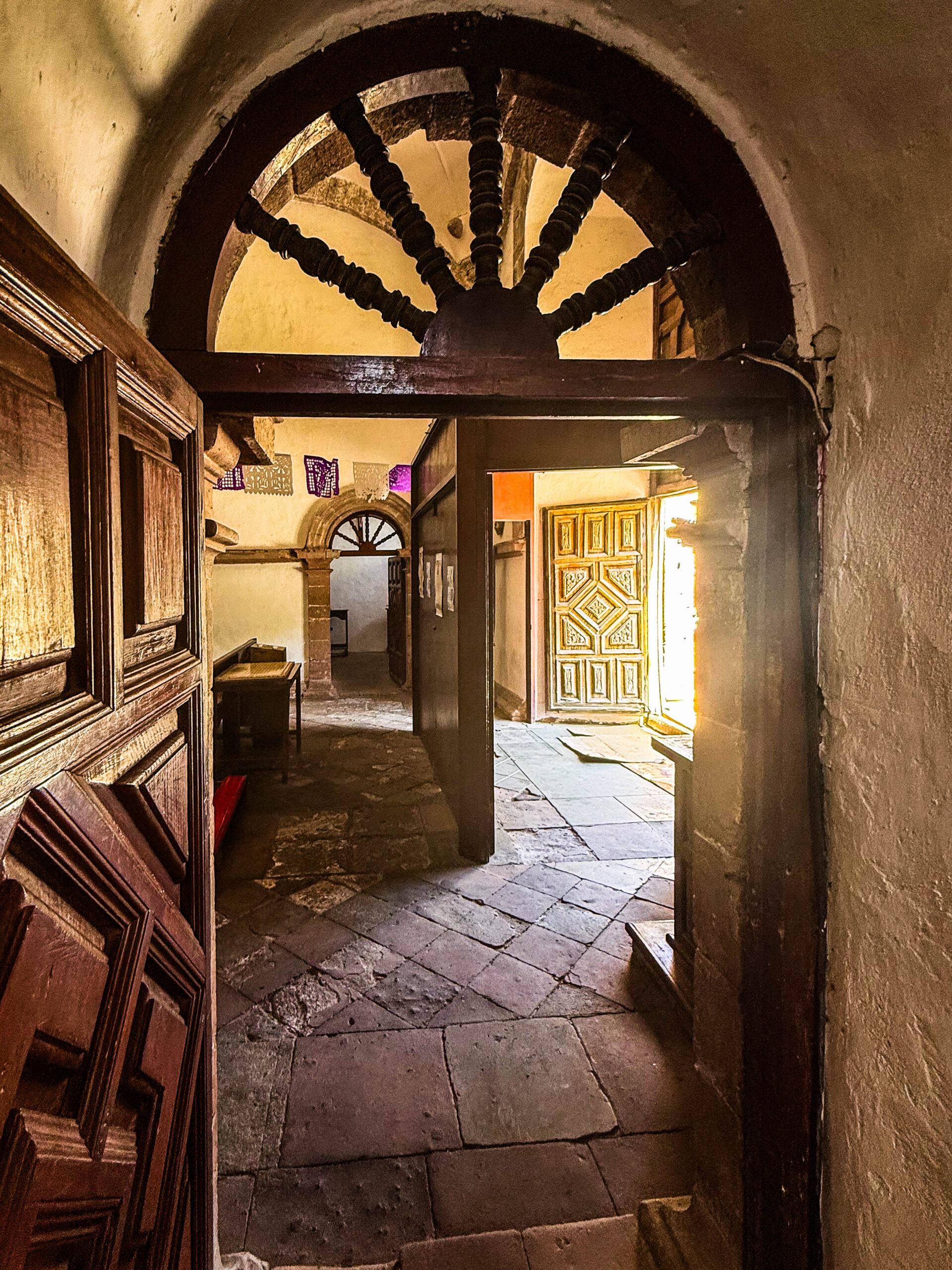
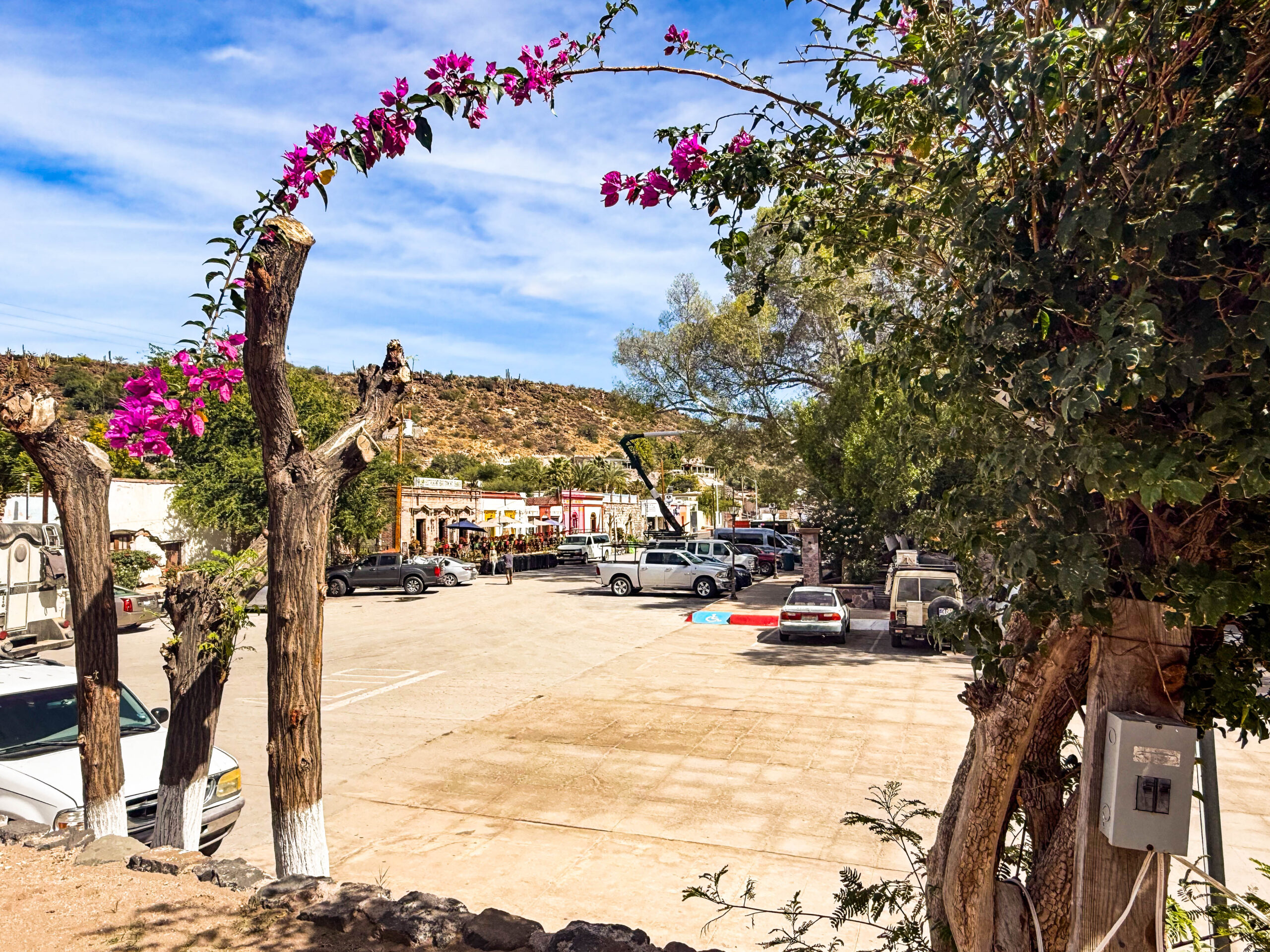
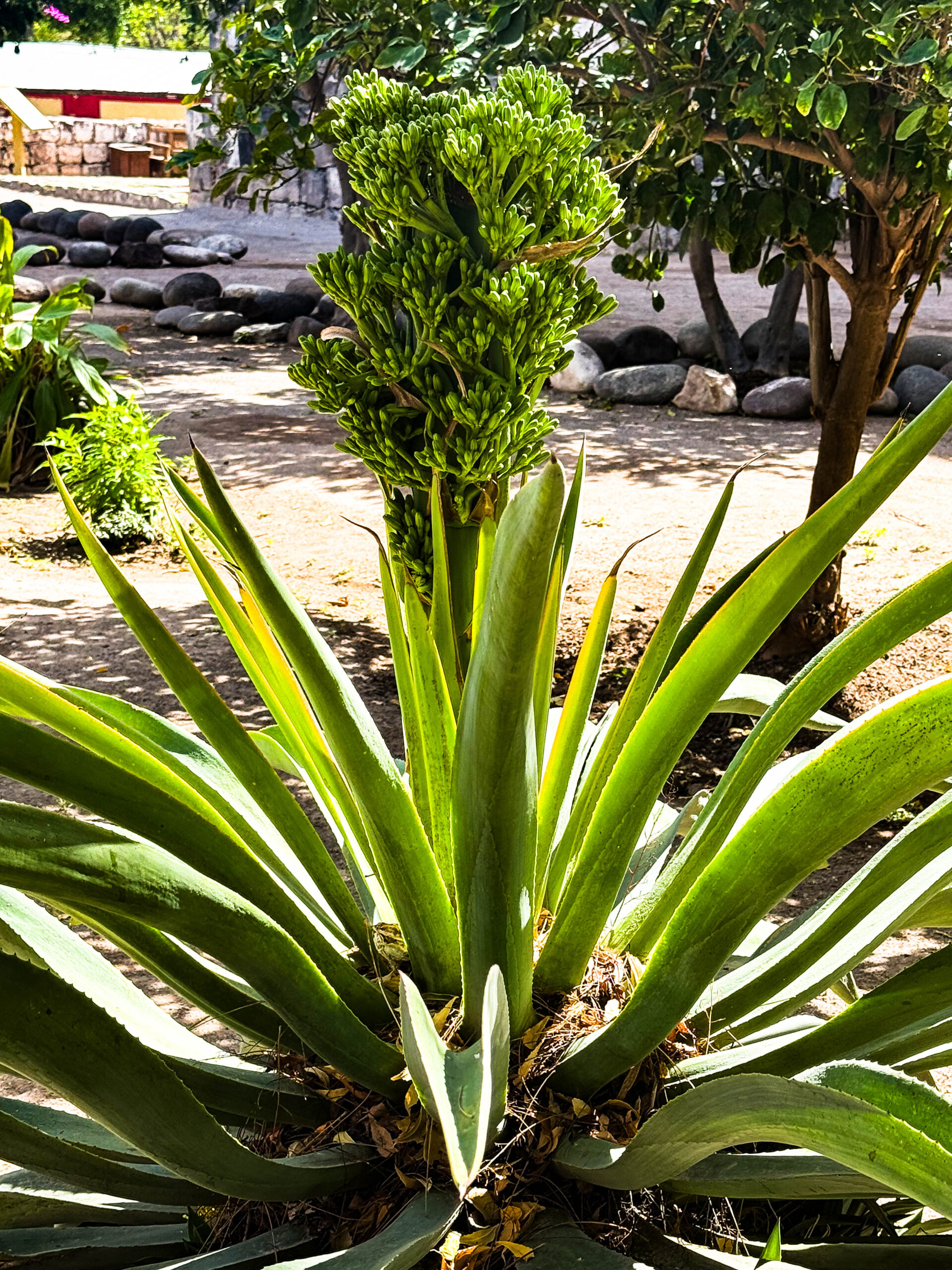
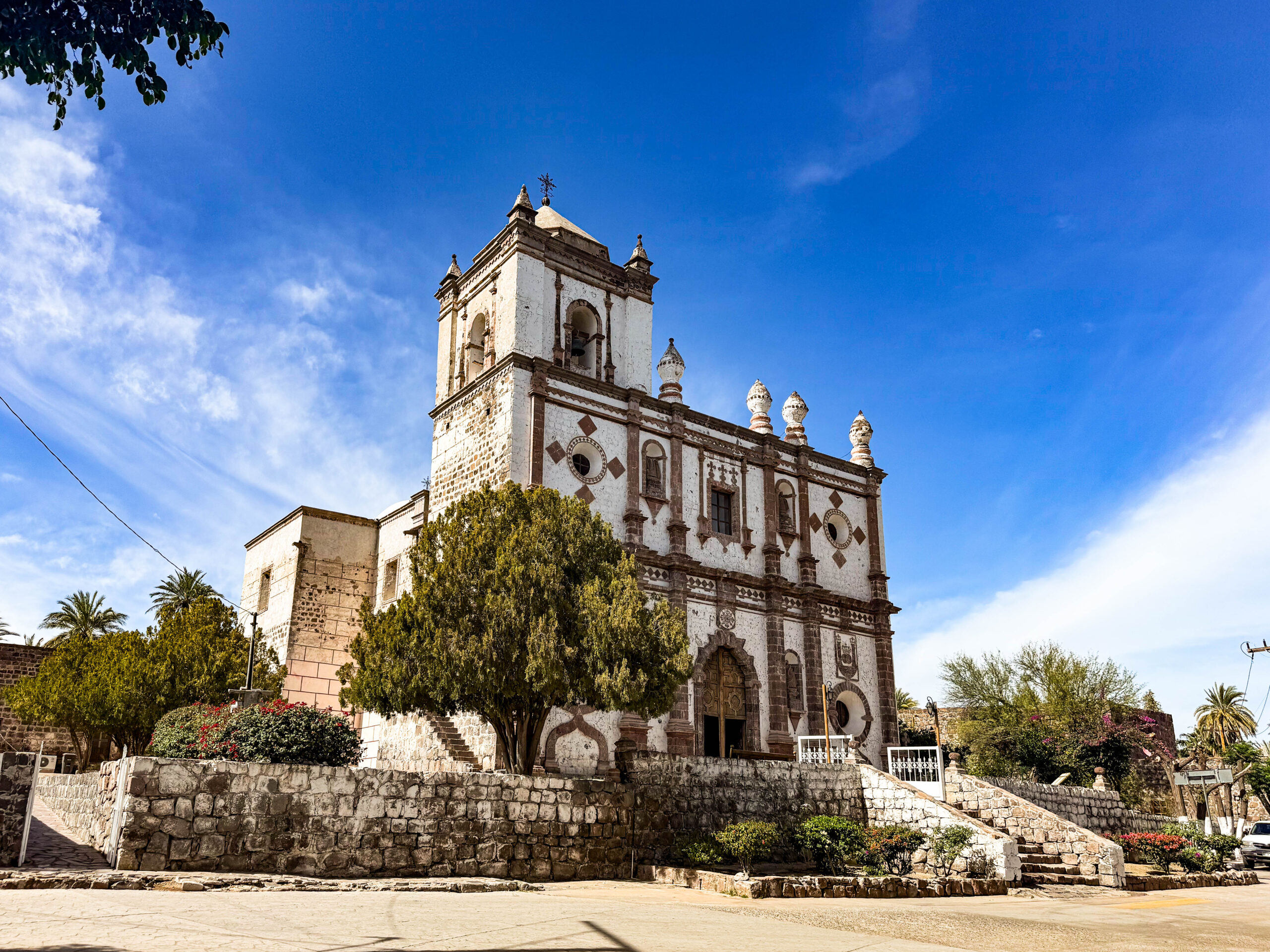
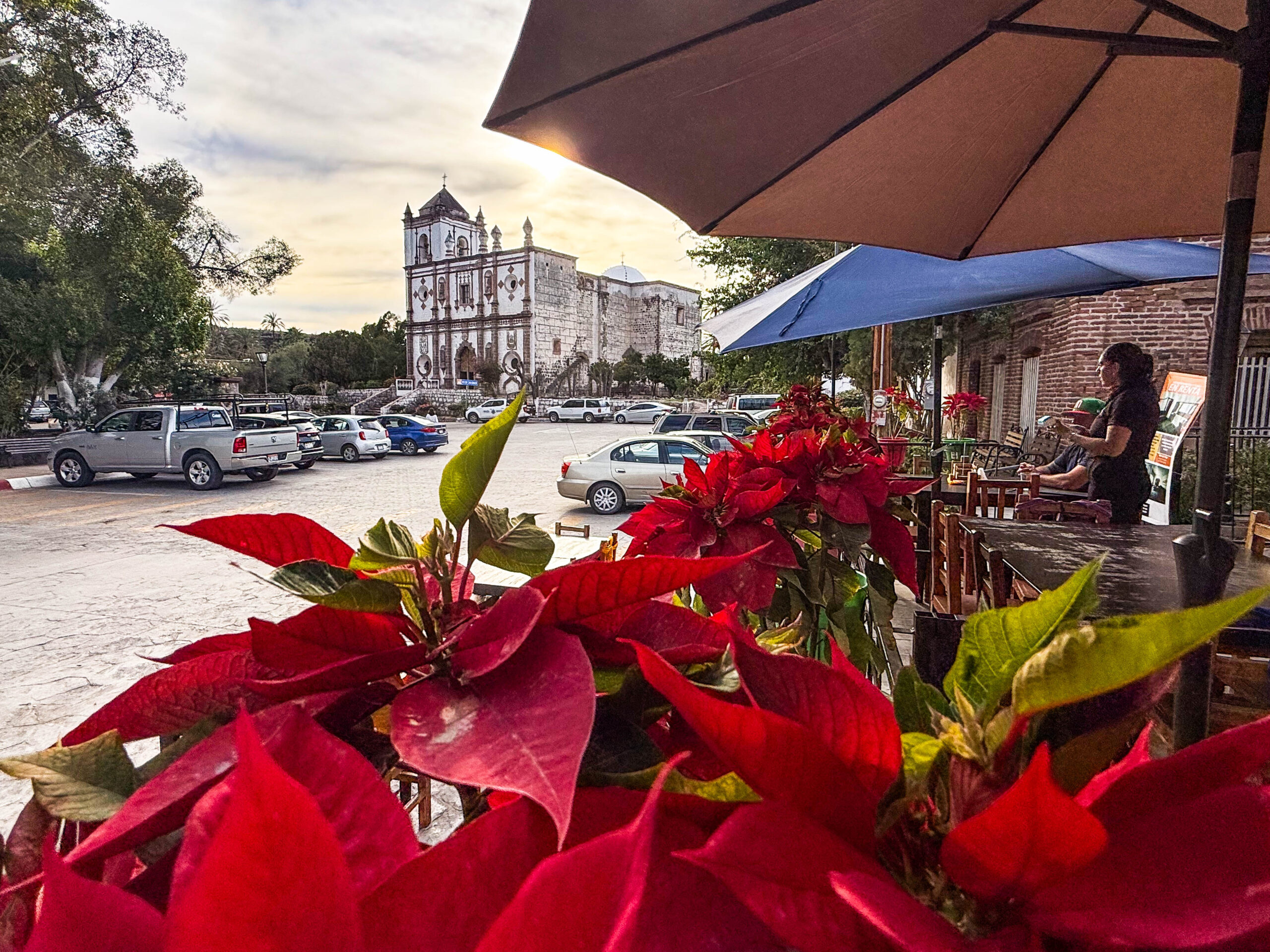
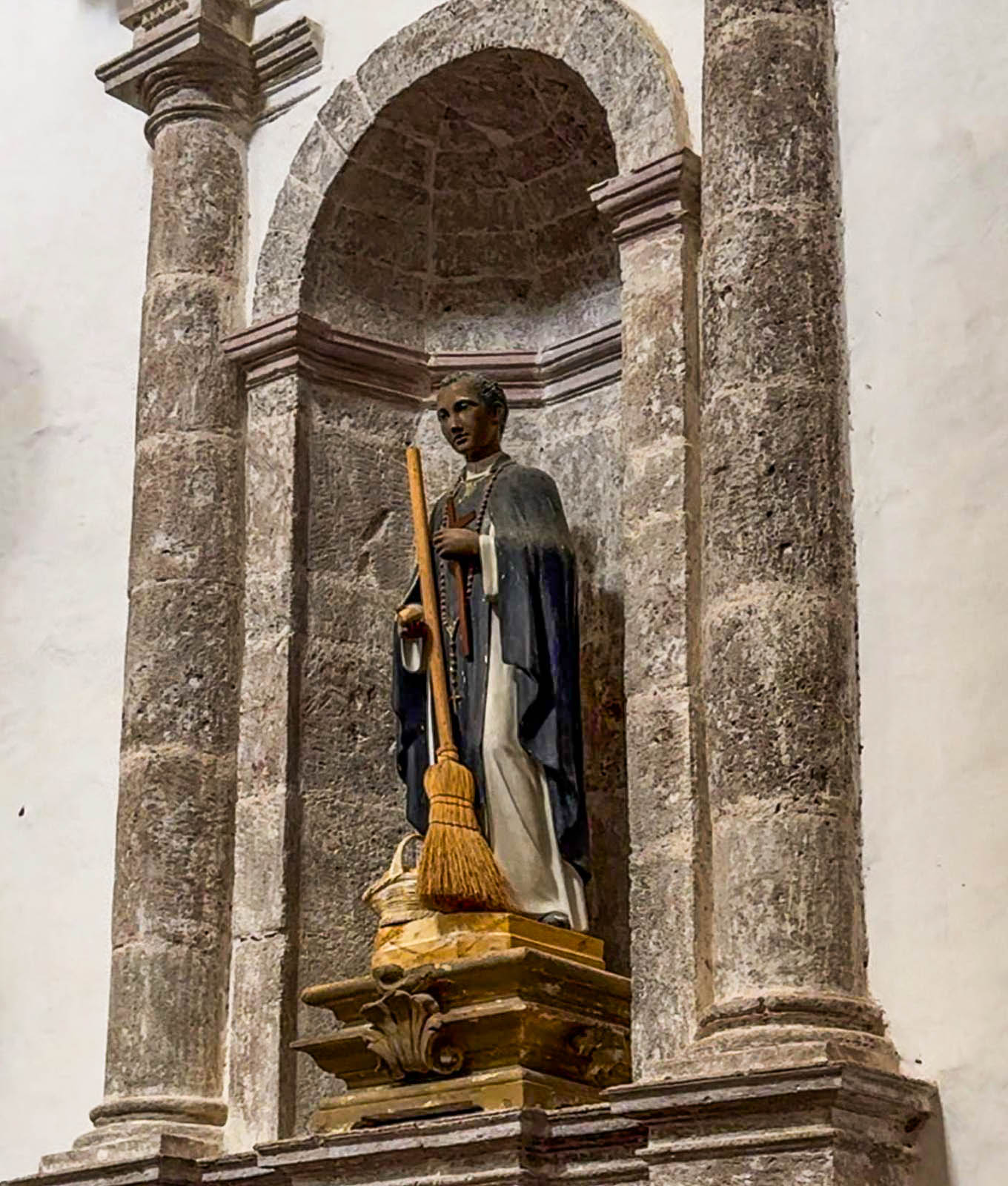
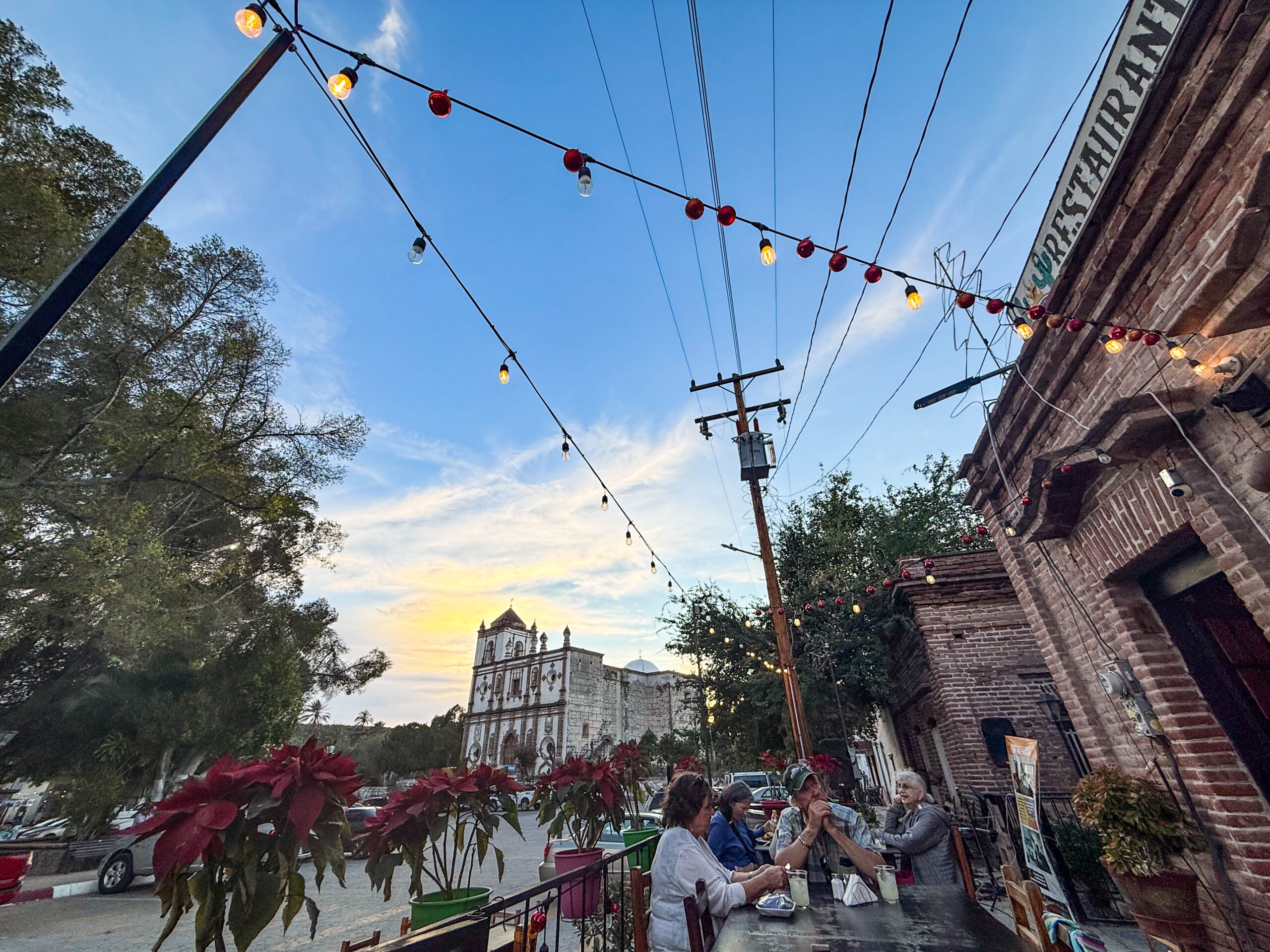
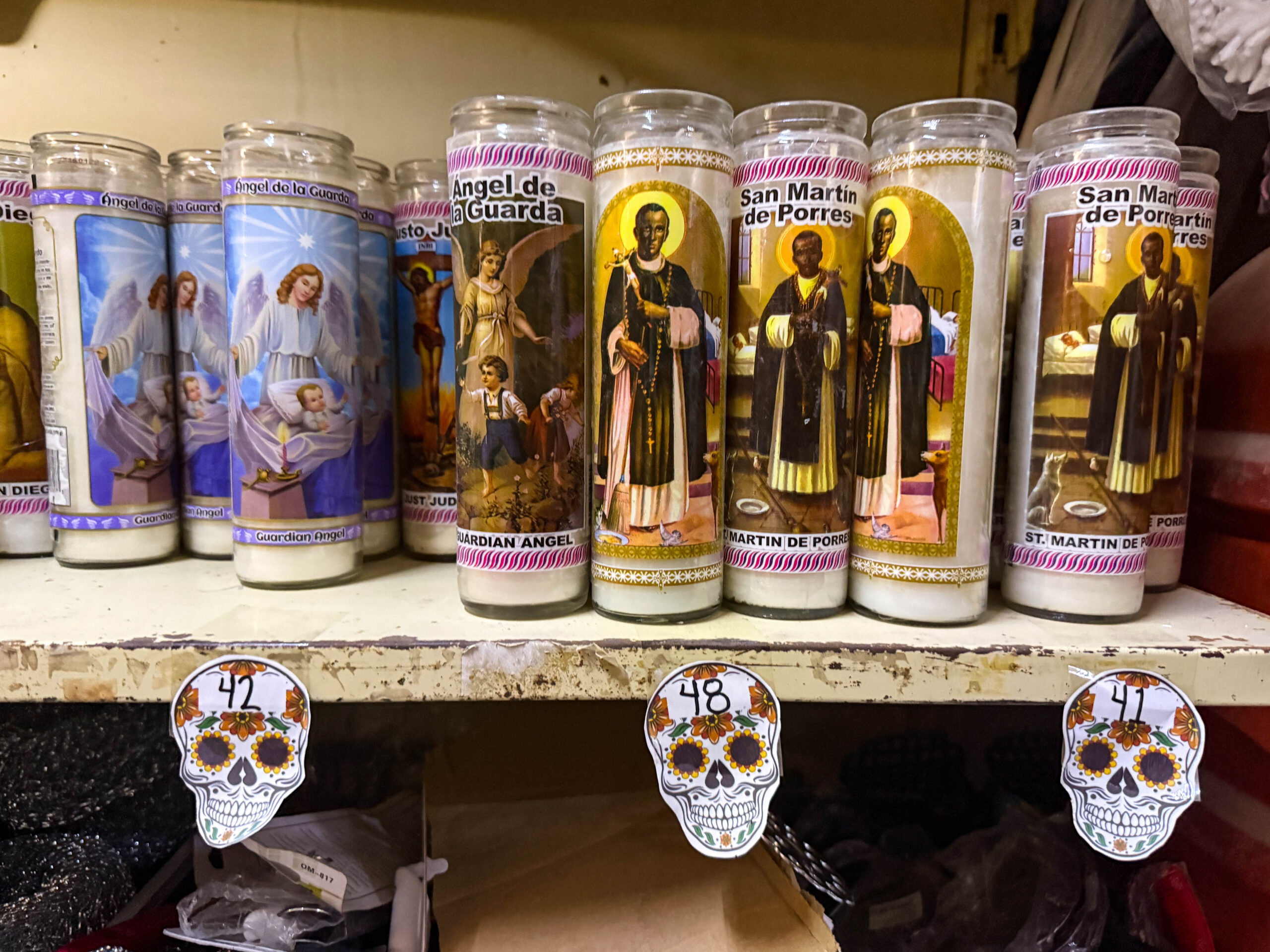
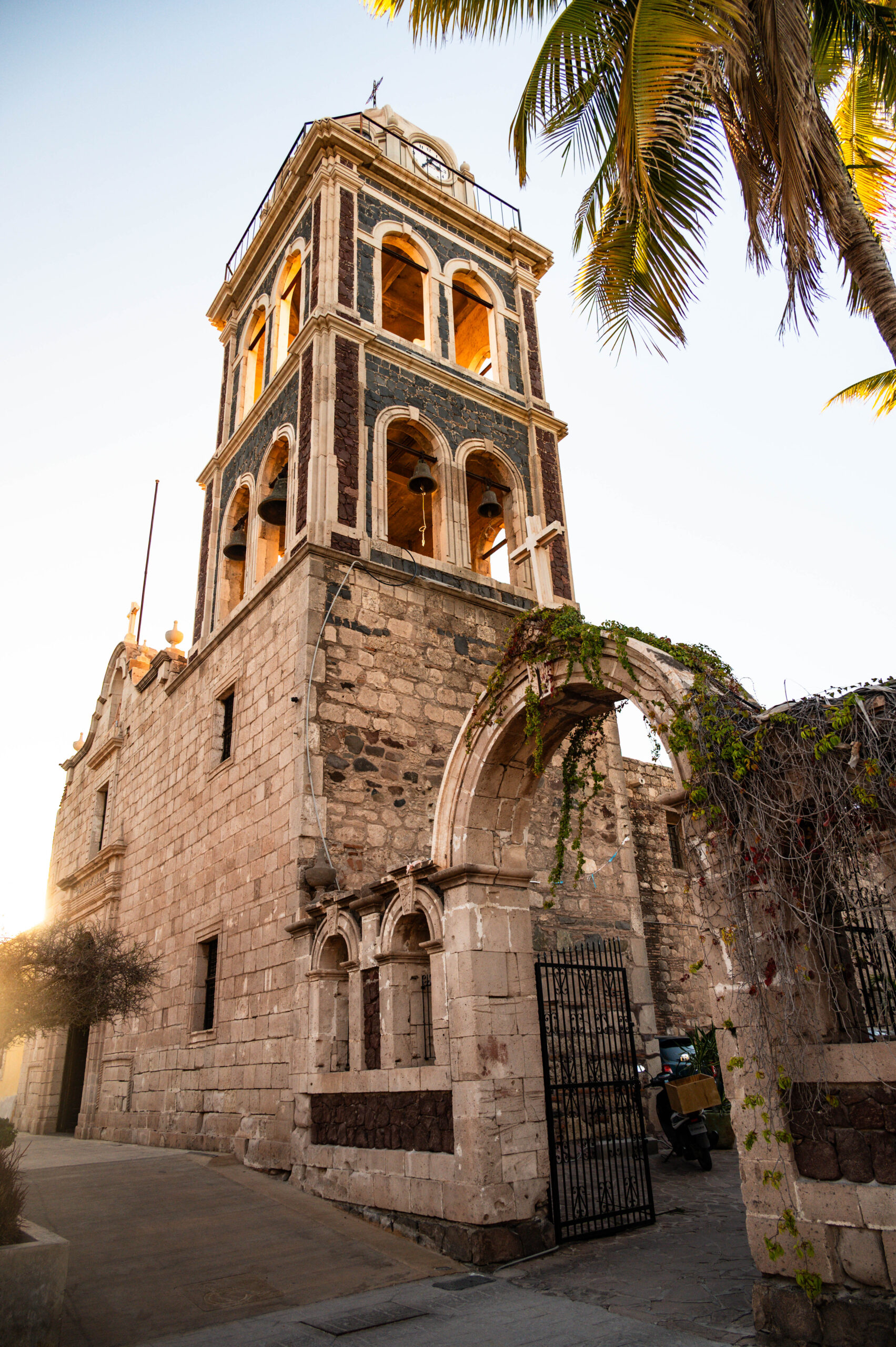
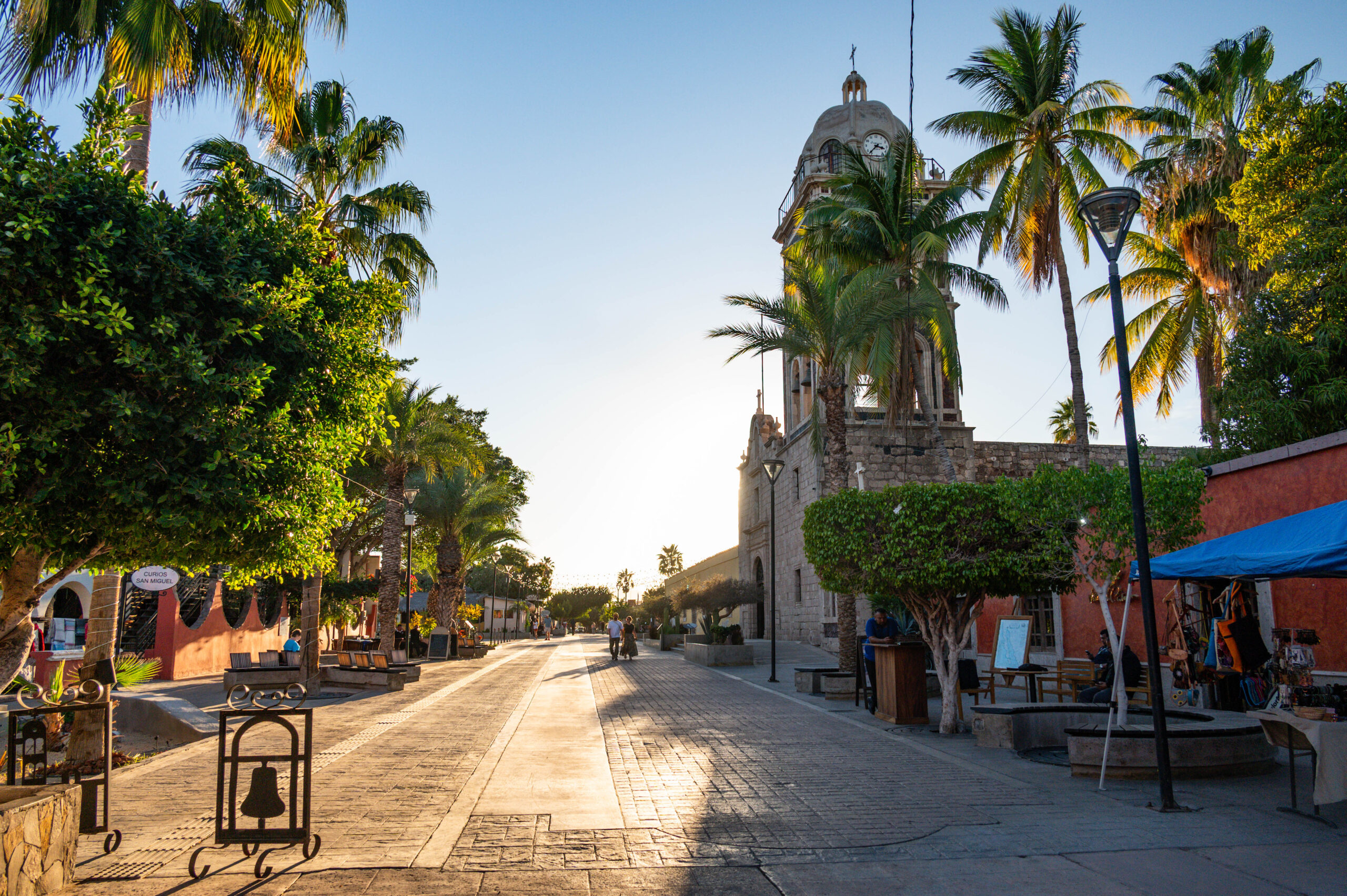
Am nächsten Tag sind die Marschwiesen vom gestern voll unter Wasser. Wir fahren nach San Ignacio, unserem ersten Pueblo Mágico. „Pueblos Mágicos sind über 170 von der mexikanischen Regierung ausgezeichnete Dörfer und Kleinstädte, die für ihr reiches kulturelles Erbe, ihre Geschichte, Traditionen und natürliche Schönheit bekannt sind. Sie bieten ein authentisches, oft kolonial geprägtes Erlebnis abseits der Massentourismus-Hotspots“. Der Ort ist eine kleine Palmenoase am Fluß mit einem zentrumsnahen gepflegten Campingplatz. In der Kirche begegnet uns zum ersten Mal die Heiligenfigur des Martin von Porres aus Lima mit seinem Besen. Er ist als Farbiger dargestellt (Mischling eines Span. Adeligen und einer Sklavin (1579-1639) und der erste Farbige, der 1962 heilig gesprochen wurde. Er verkörpert den Heiligen der Krankenpflege und Gärtner. Wir genießen das Essen auf der Plazza. Zuvor besuchen wir noch das kleine Museum mit Nachbildungen der Felsmalereien der Sierra San Francisco. Wir beginnen Wasser bei den Aqua Purificado Stellen aufzufüllen, der Vorteil ist, kein Chlor und penible Sauberkeit.
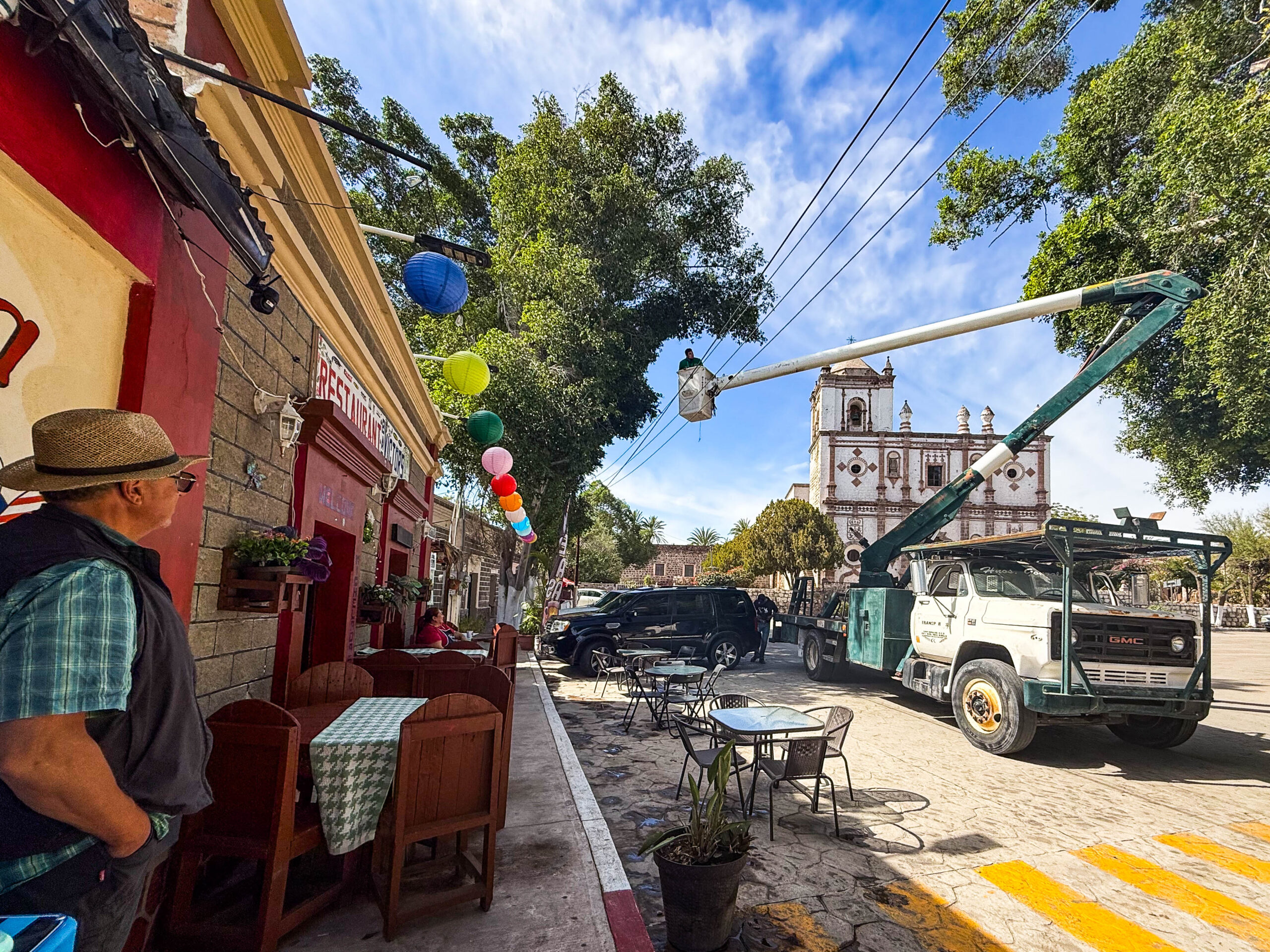
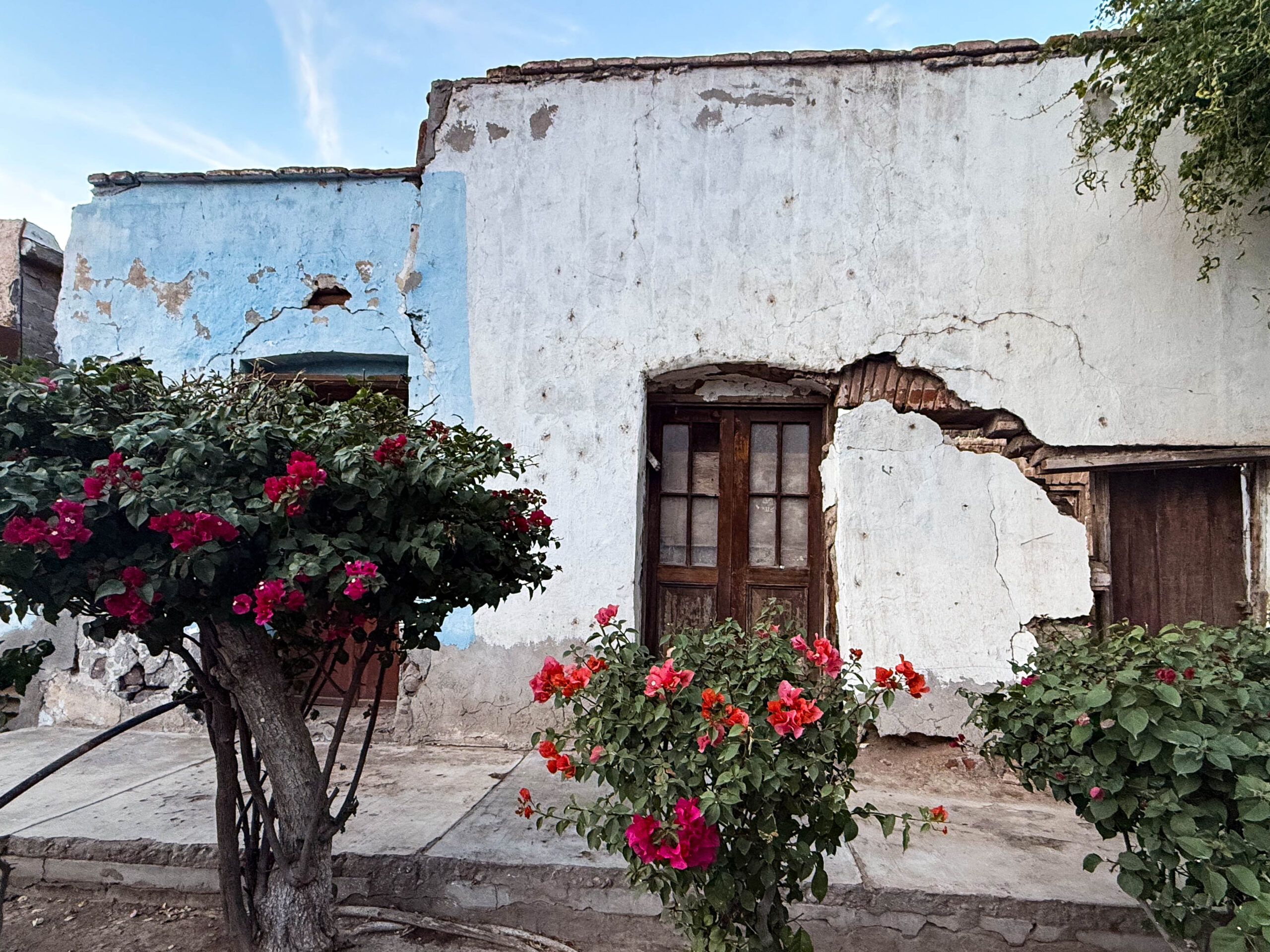
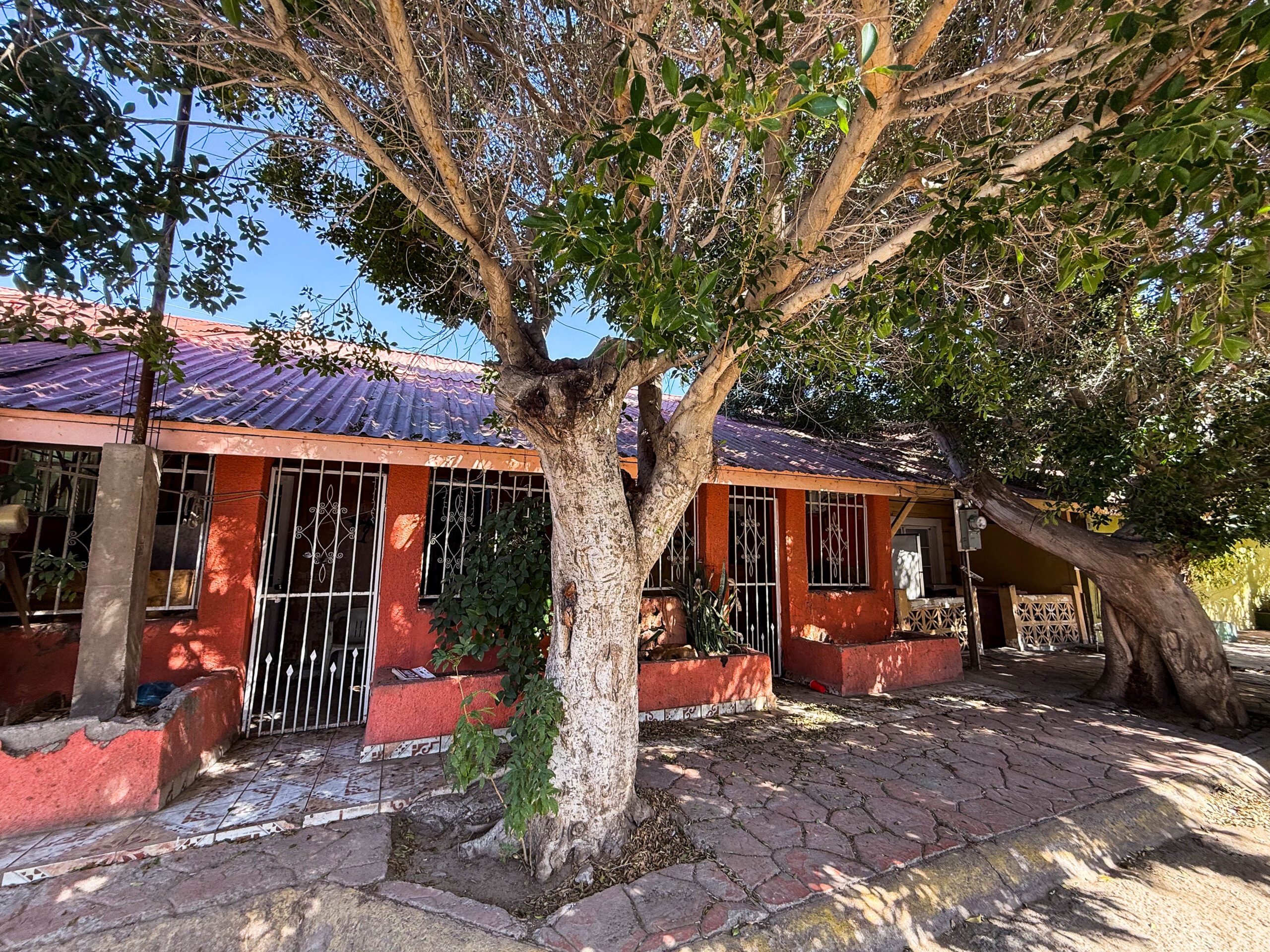
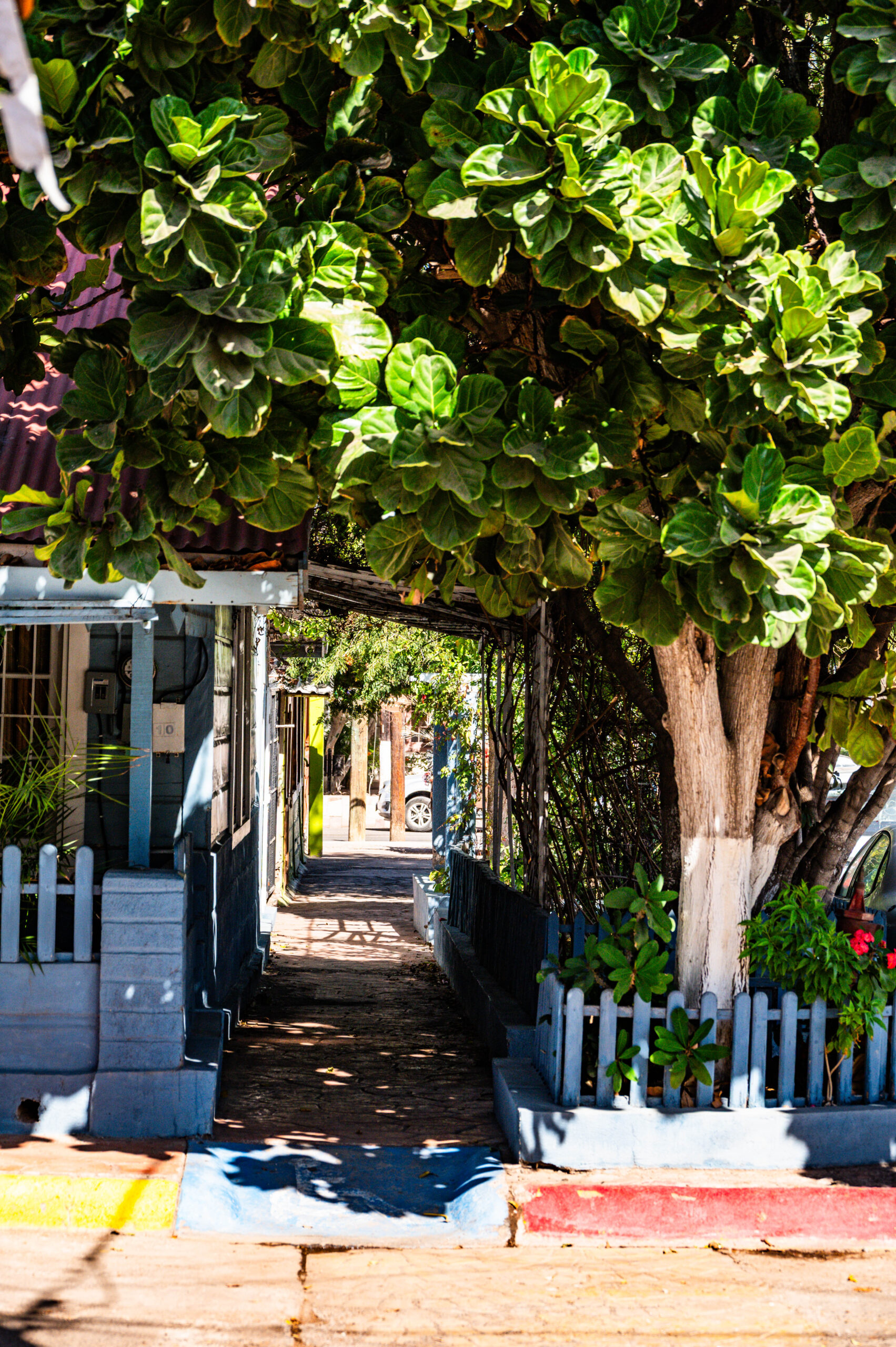
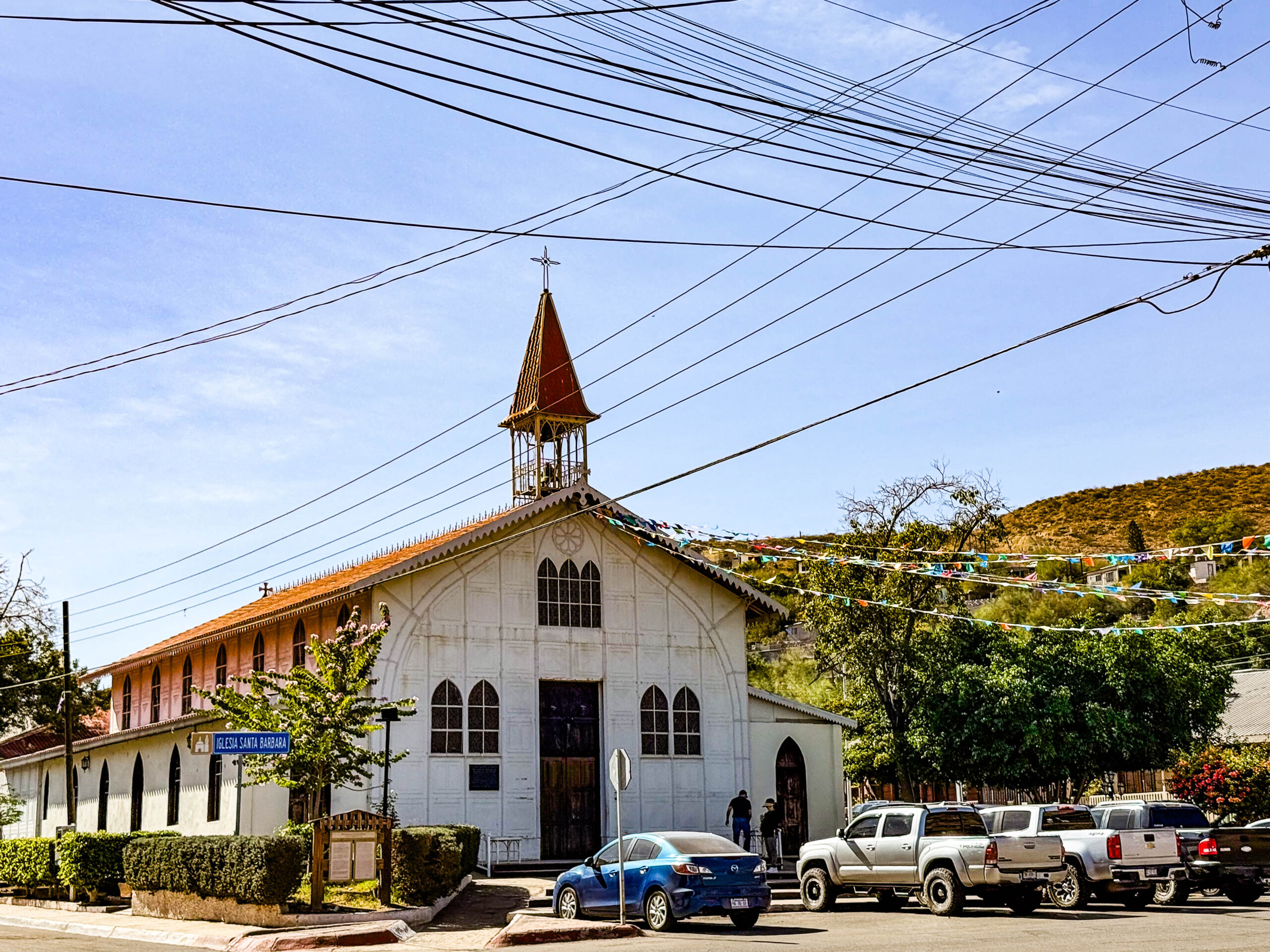
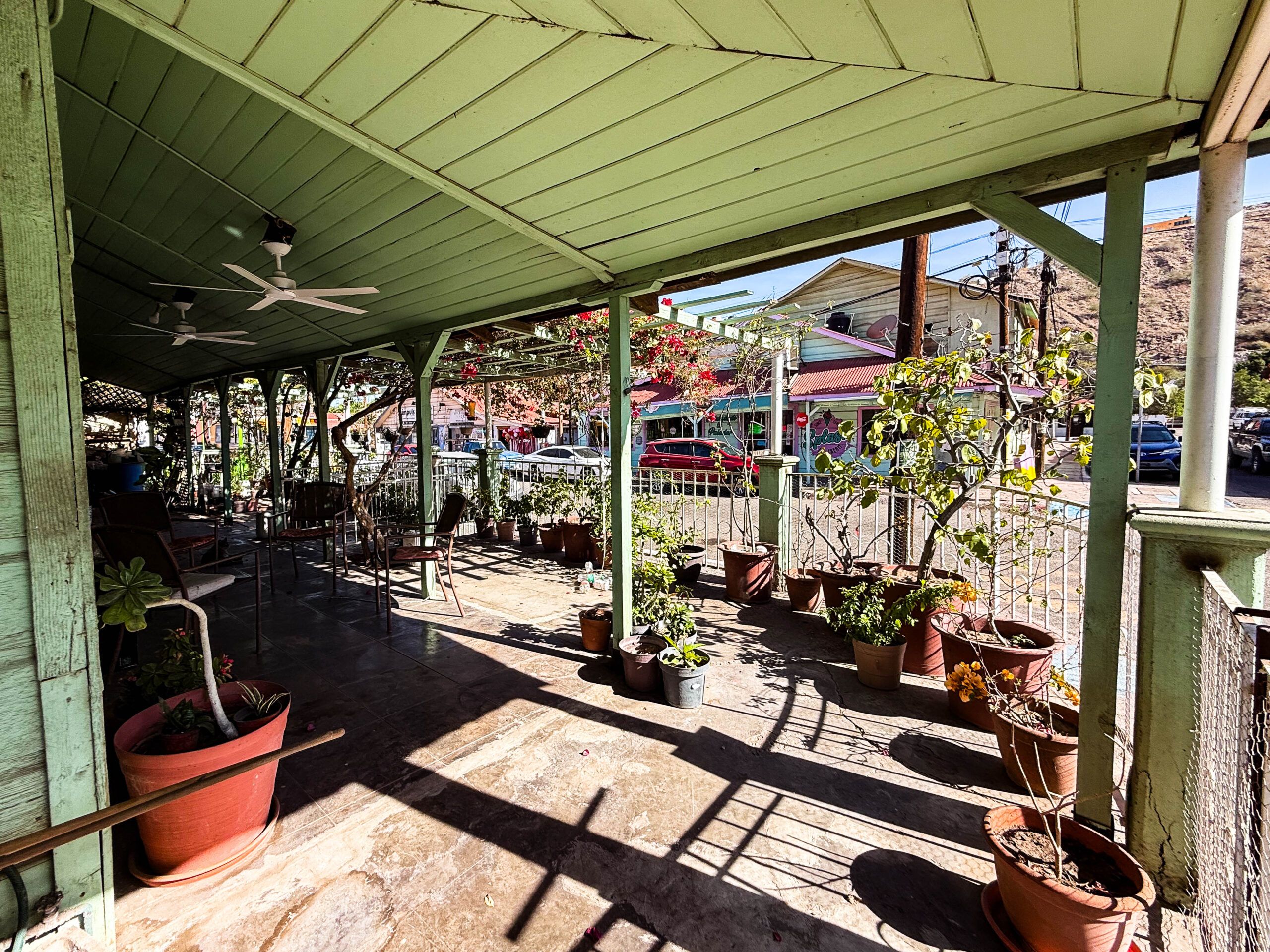
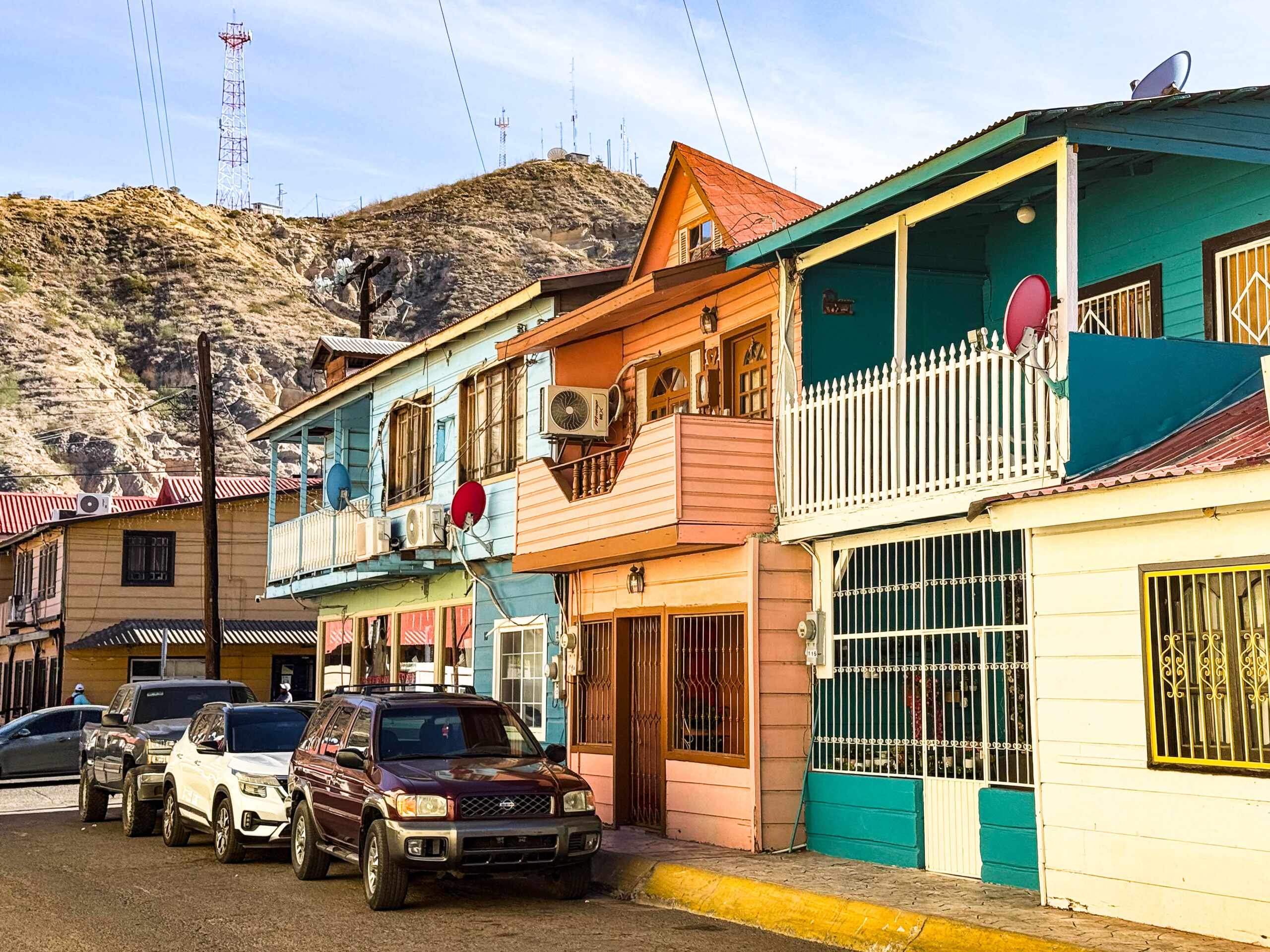
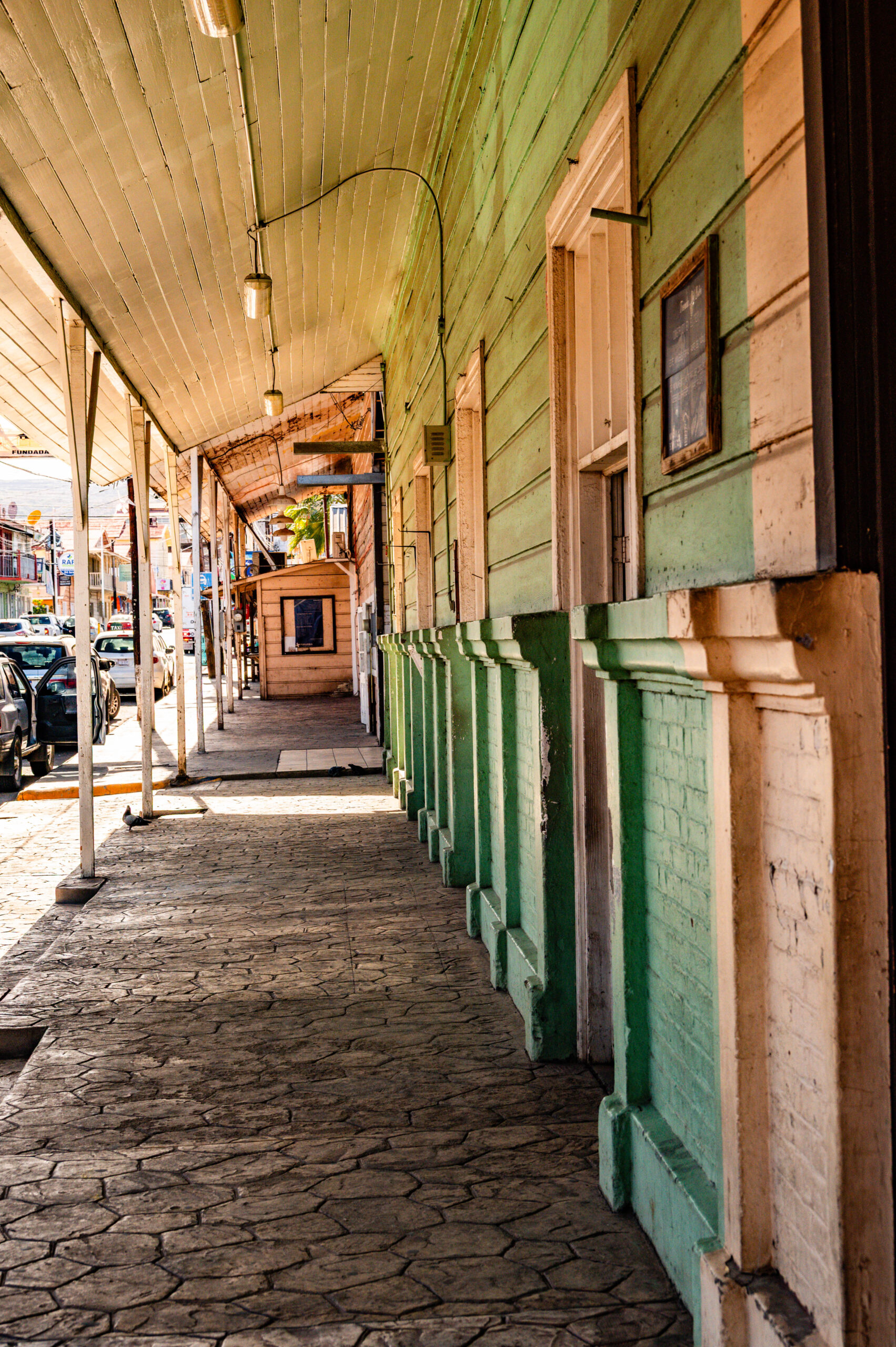
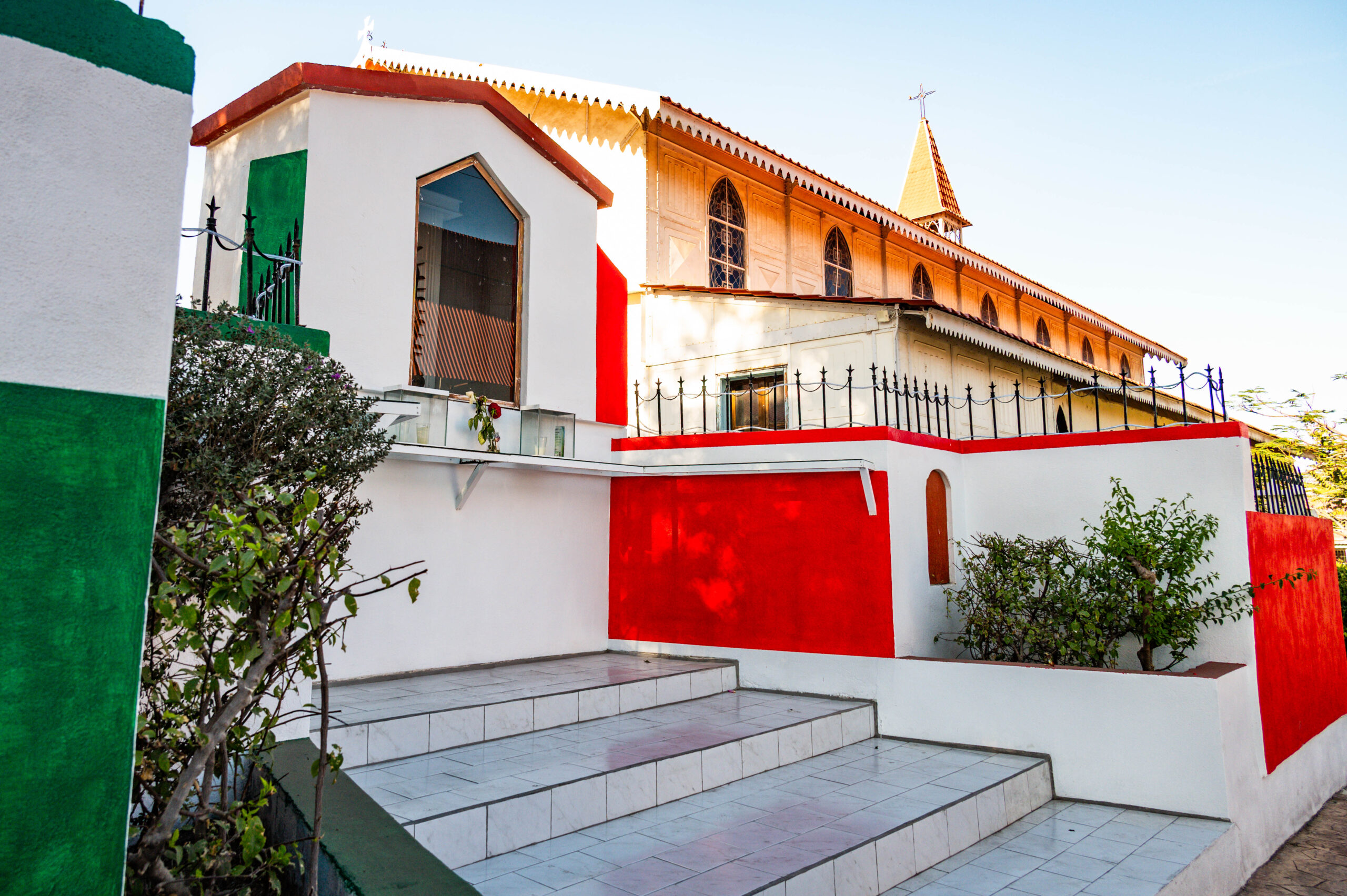
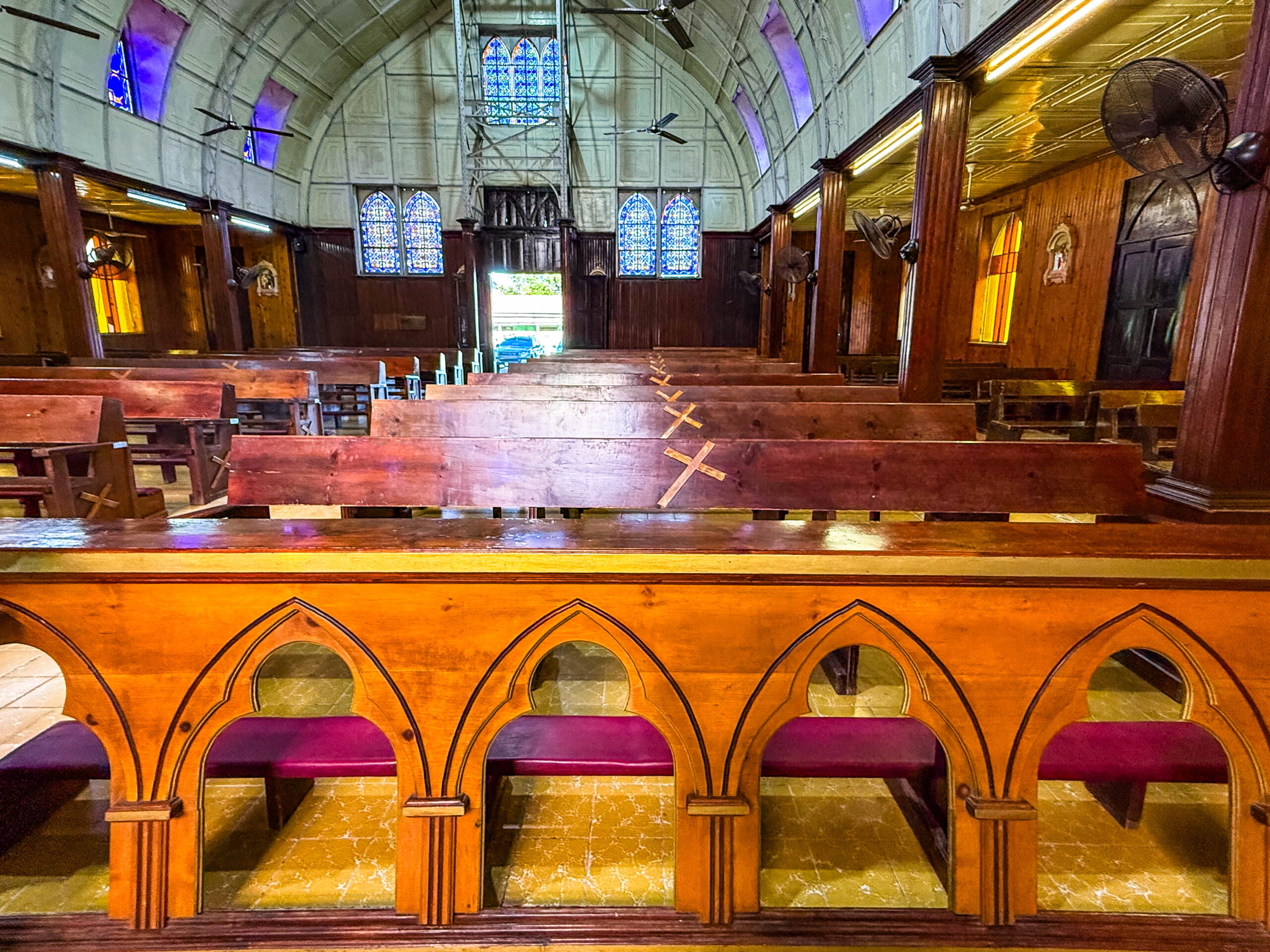
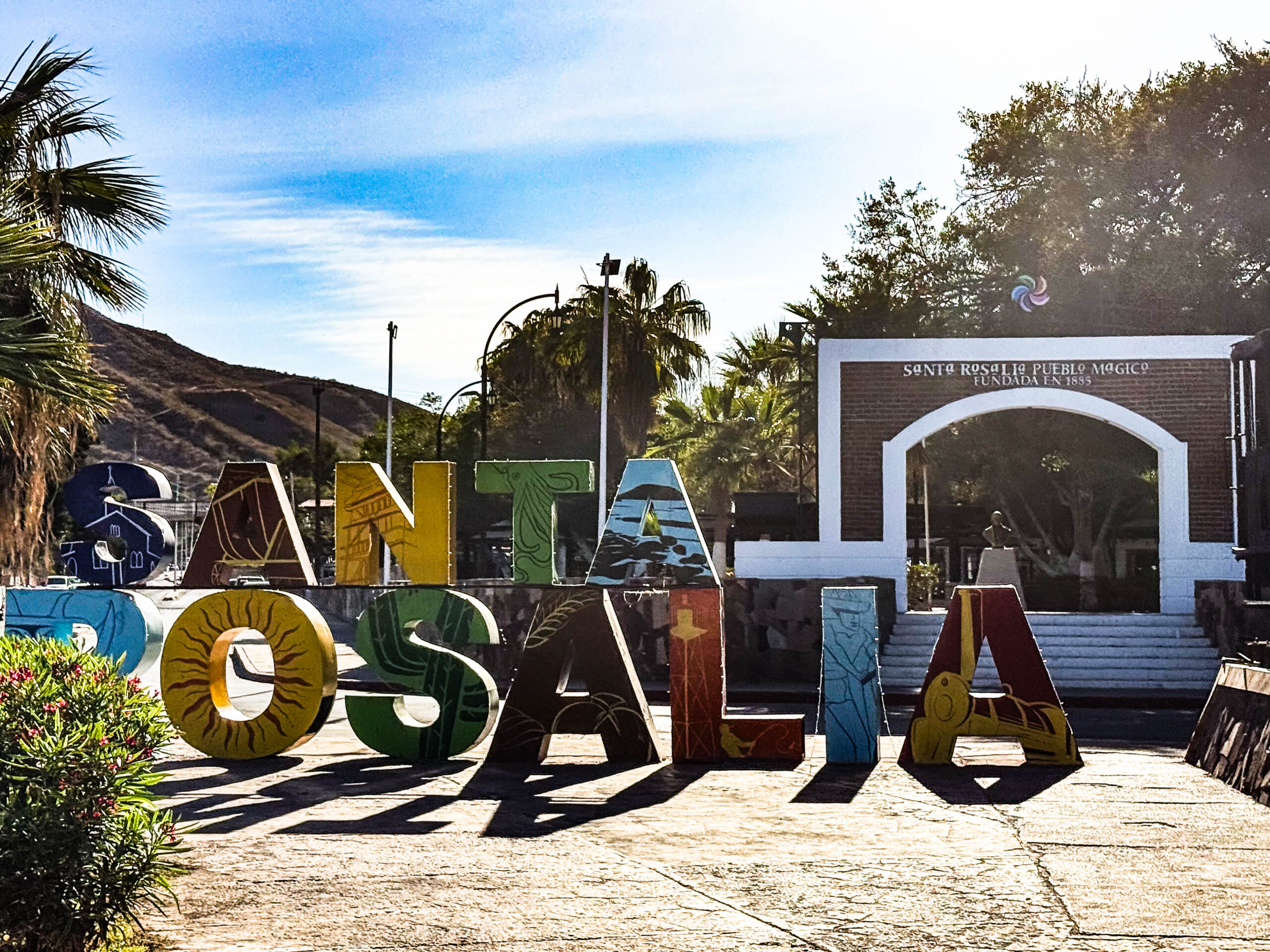
Ein ehemaliges Kupferabbaustädtchen – Santa Rosalia – bezaubert durch ganz eigenen Flair und erinnert ein wenig an den altfranz. Teil von Hanoi. Kleine Häuschen, bunt, jeweils mini Vorgärten, Balkone, gepflasterte Bürgersteige, große Bäume, Arkaden. Eine Kirche von Gustav Eiffel, die auf der Weltausstellung von Paris stand und von dort nach Mexiko verschifft wurde und eine Bäckerei von 1901 sind die Schmuckstücke, unser zweites Pueblo Mágico.
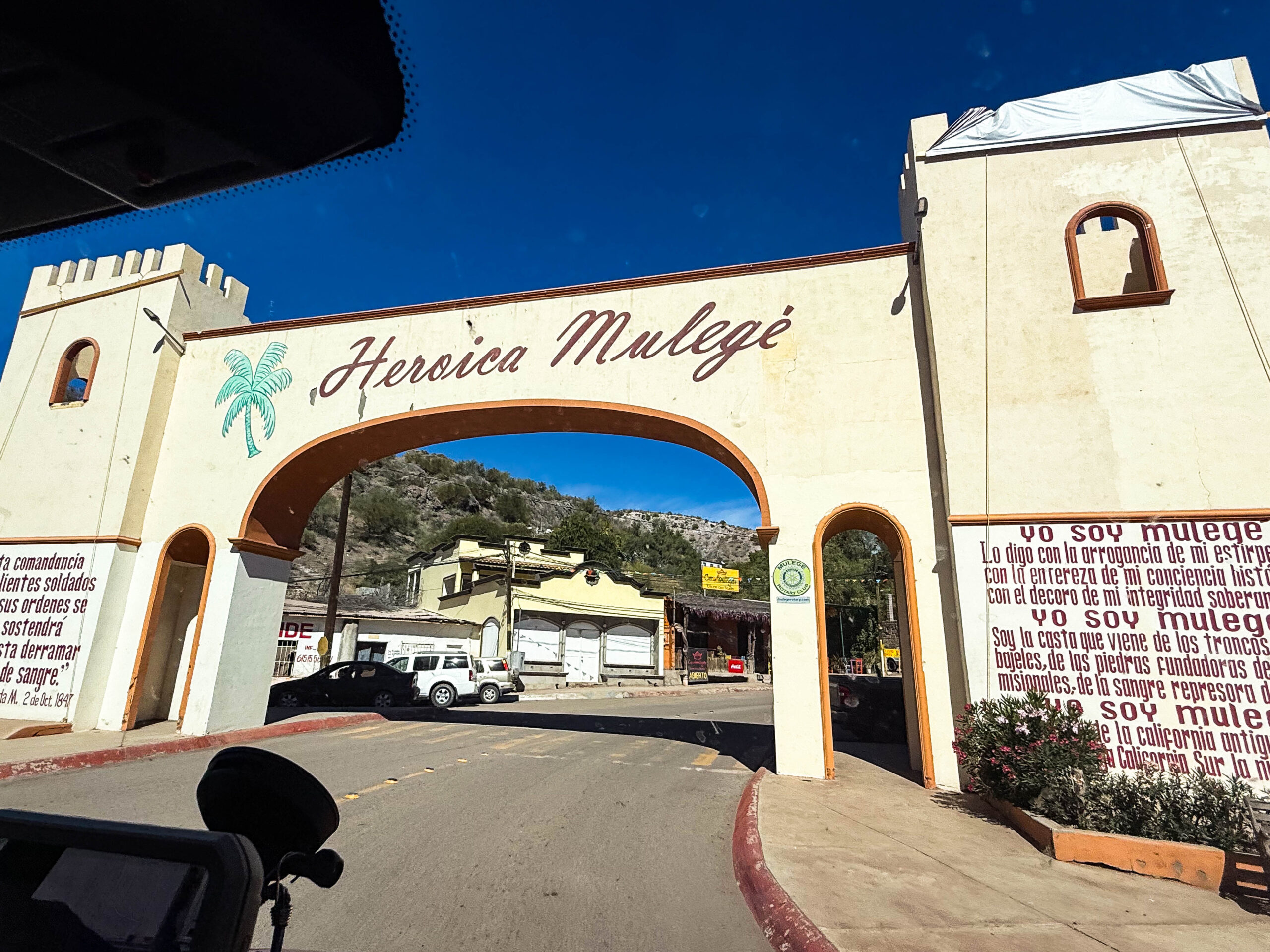
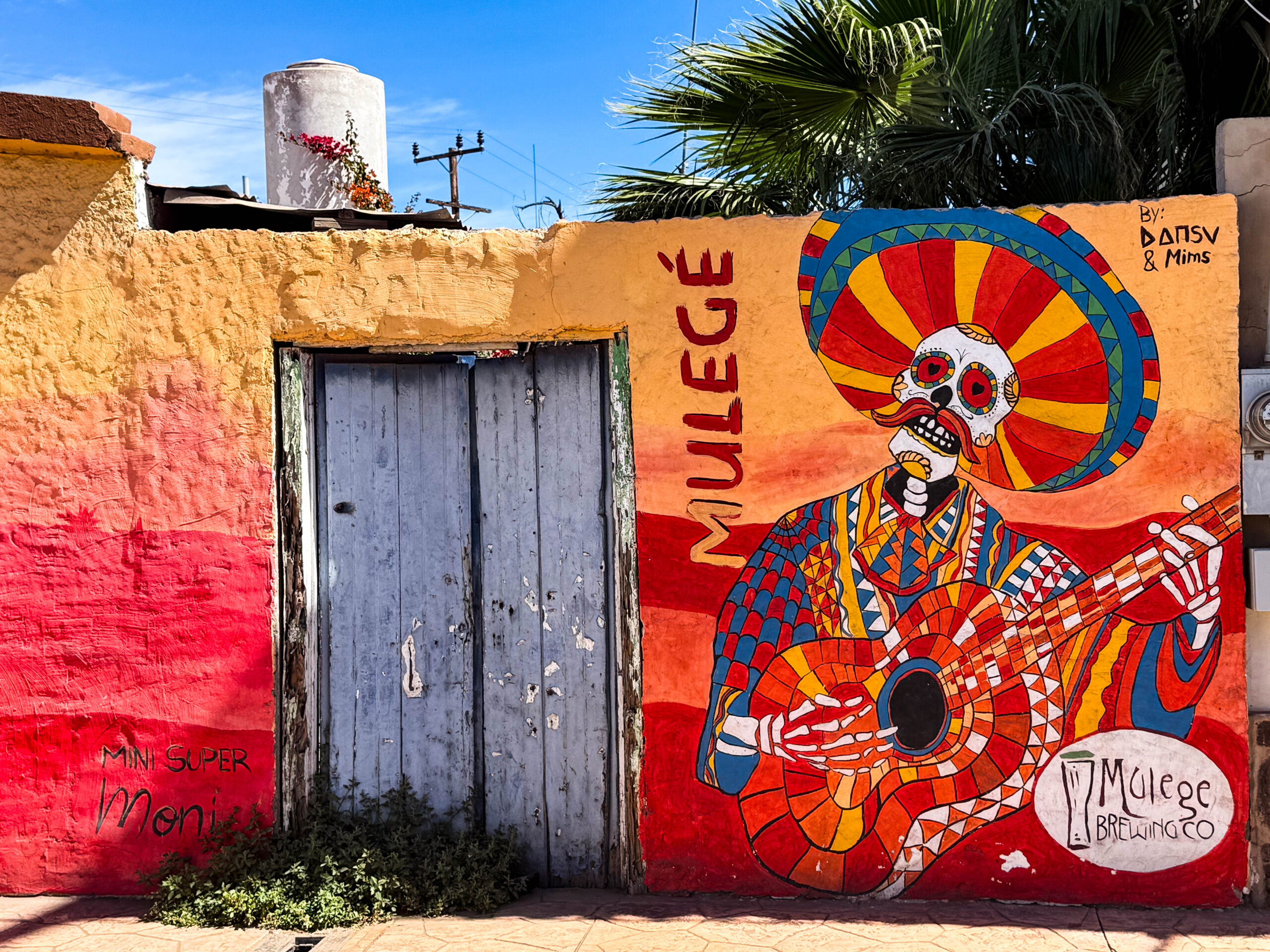
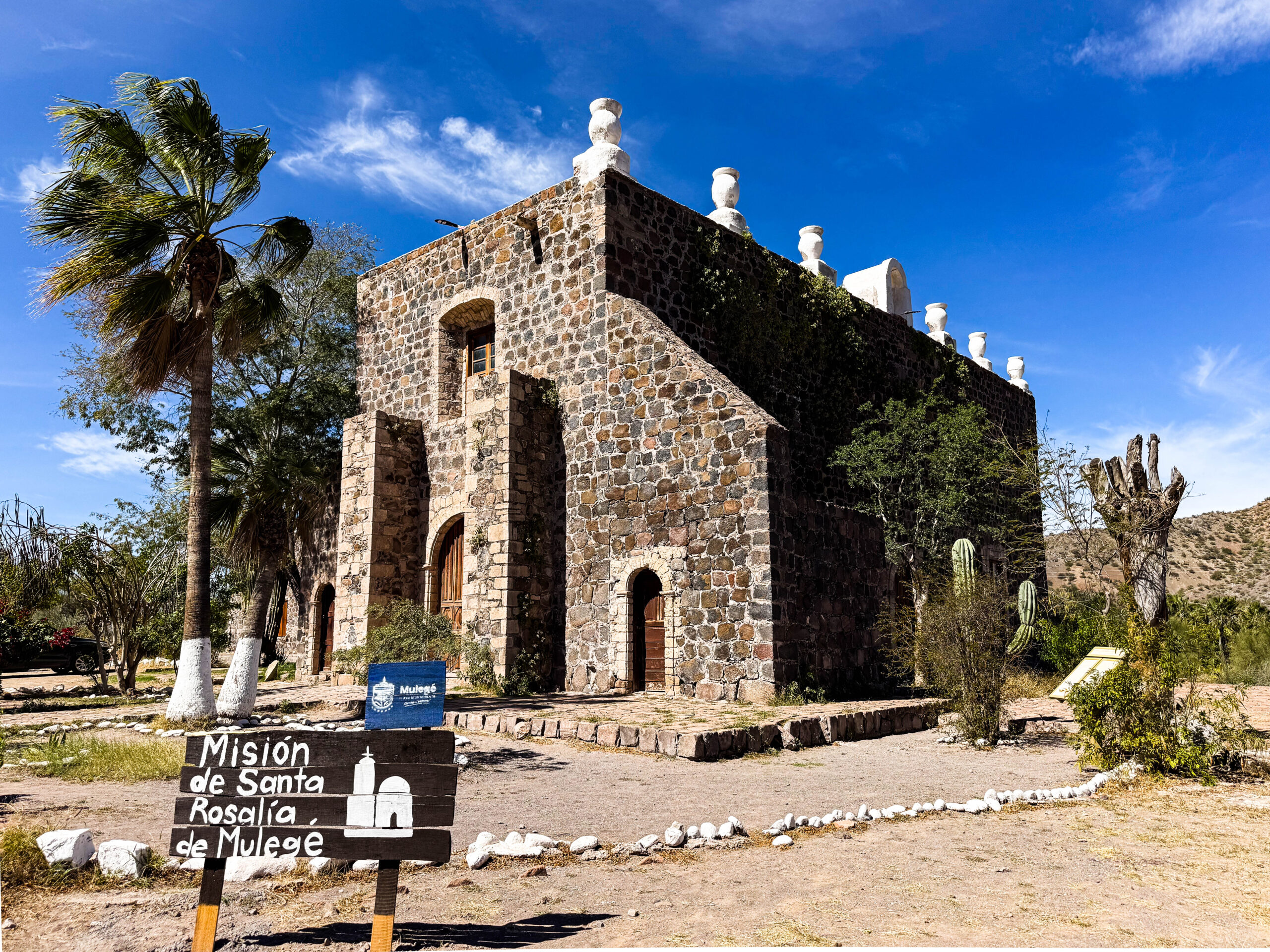
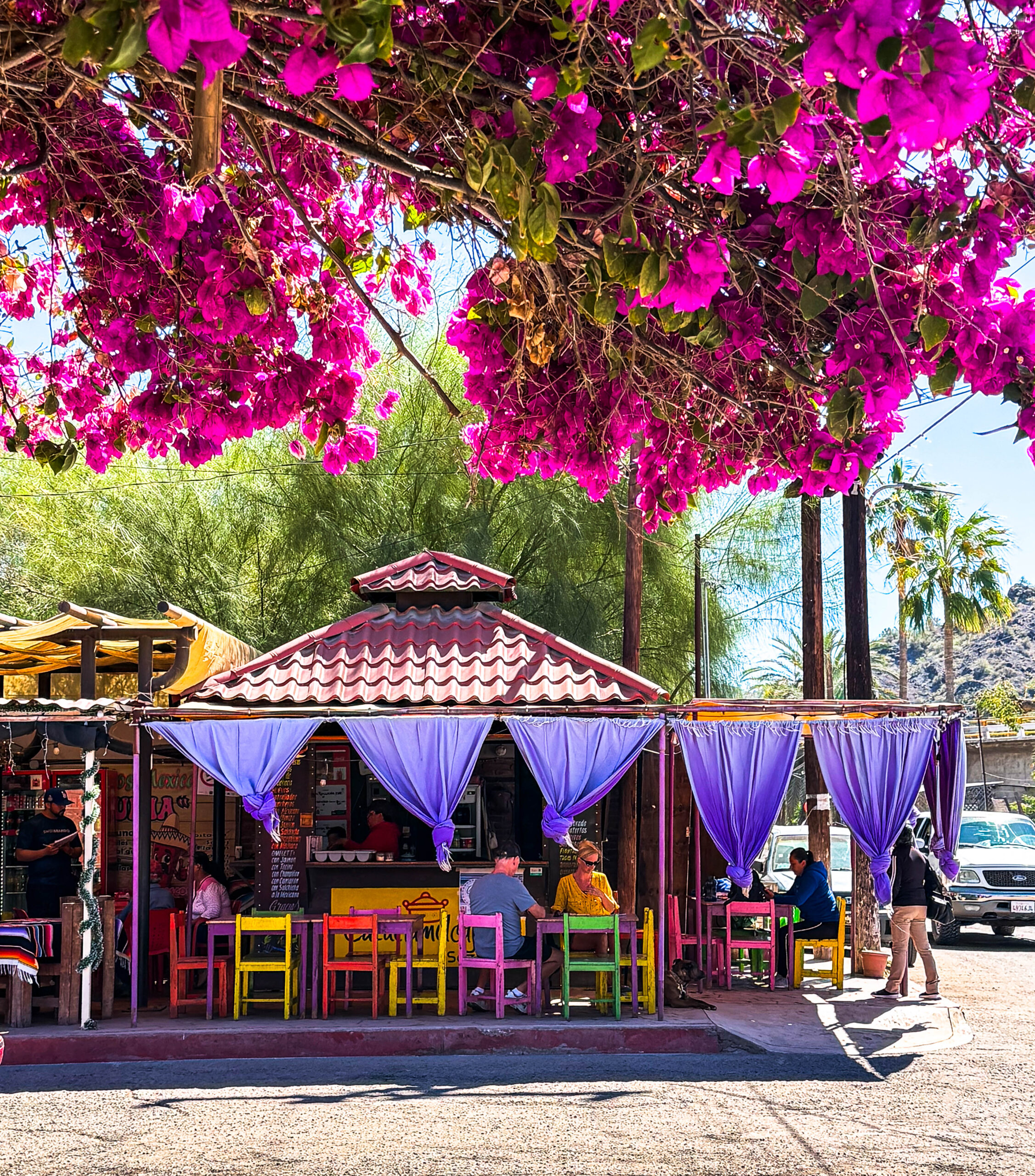
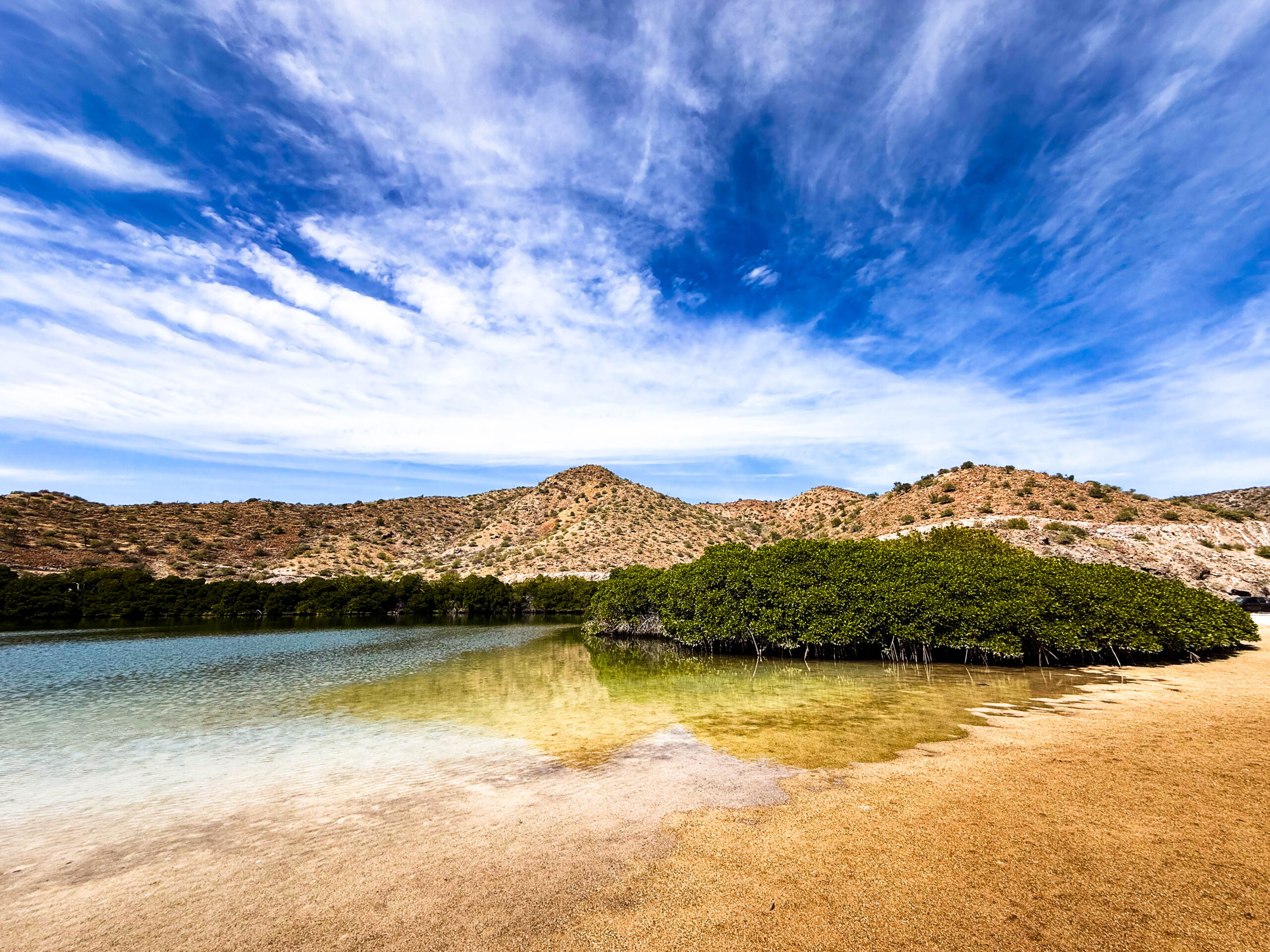
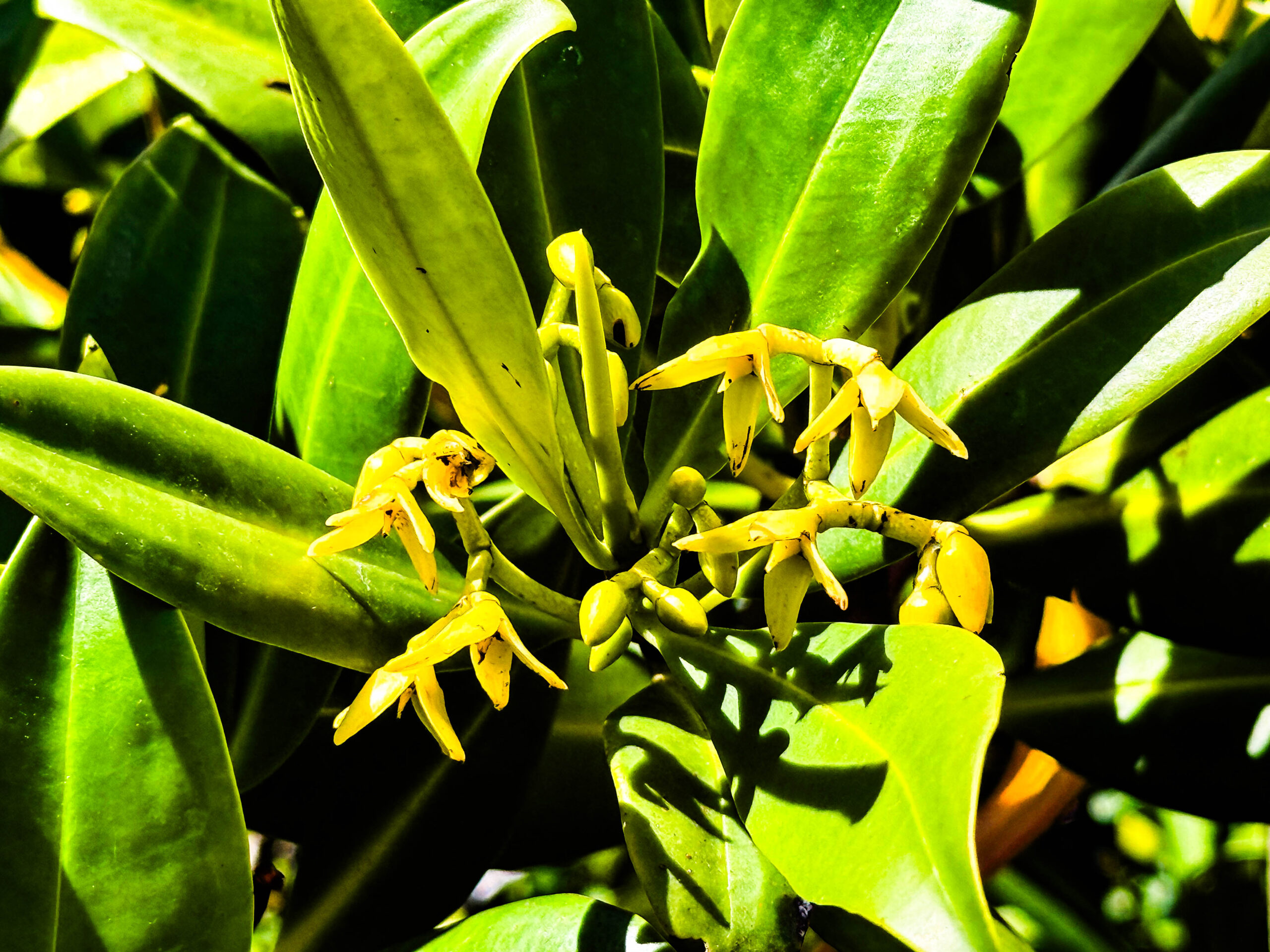
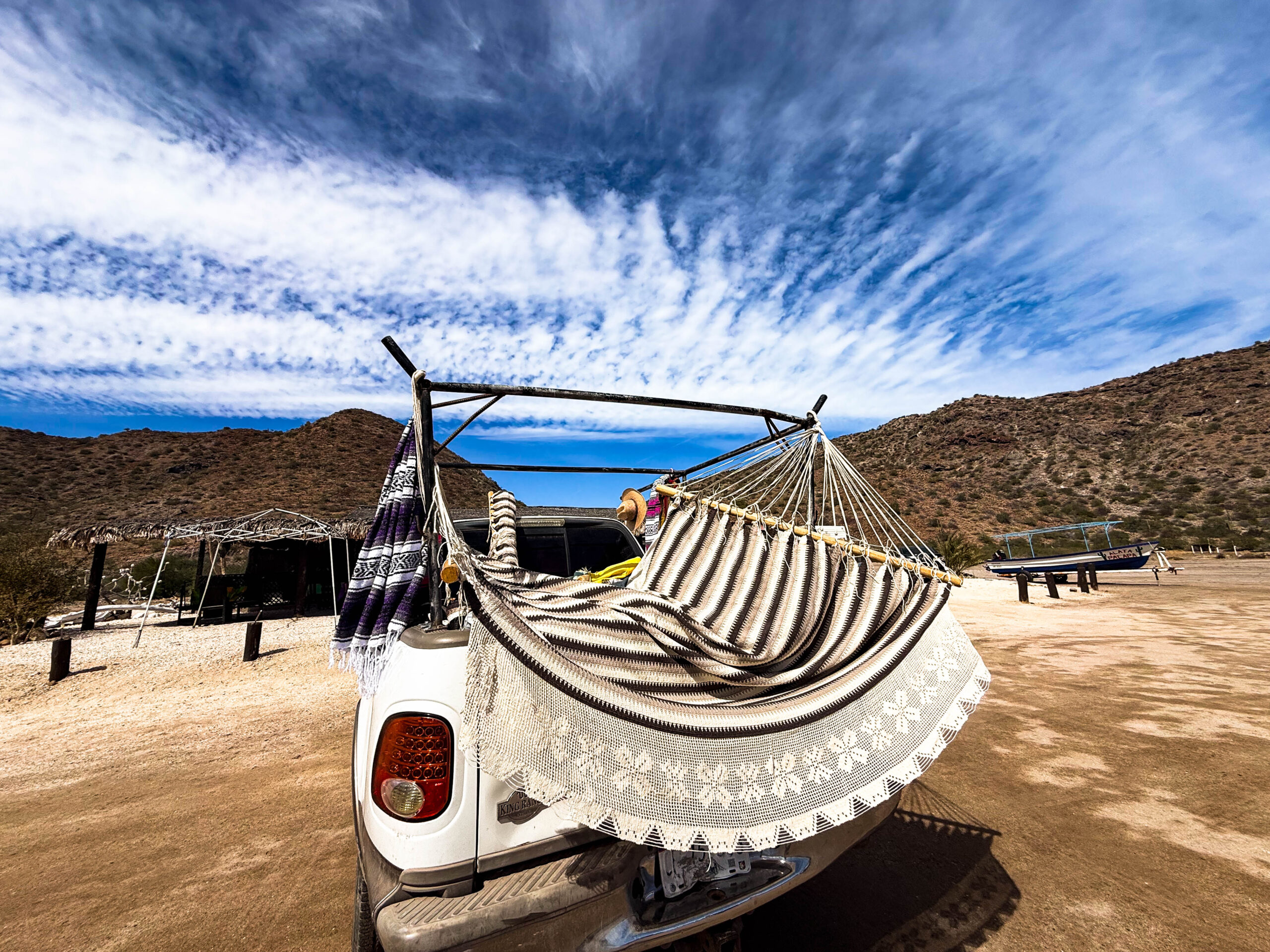
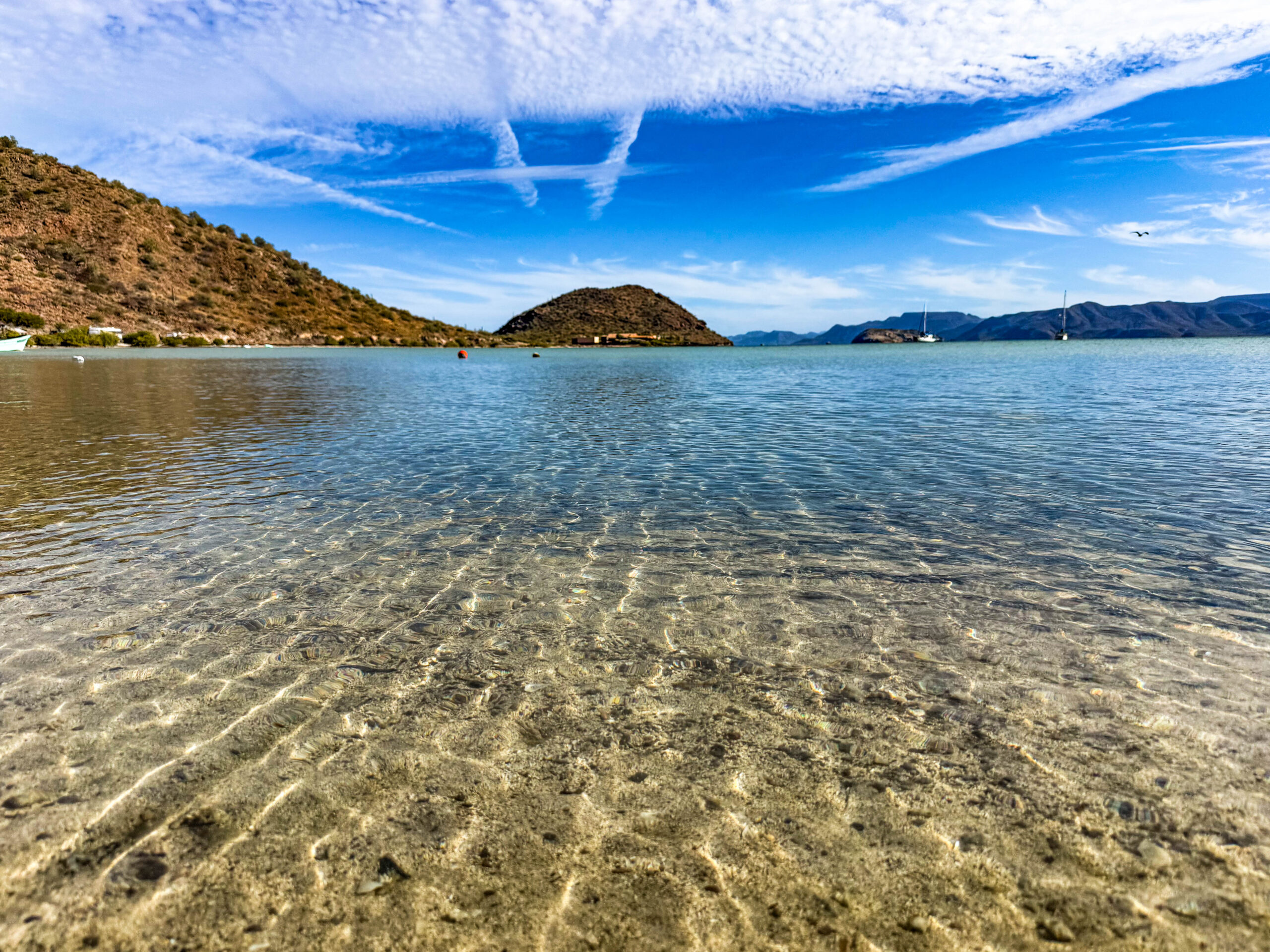
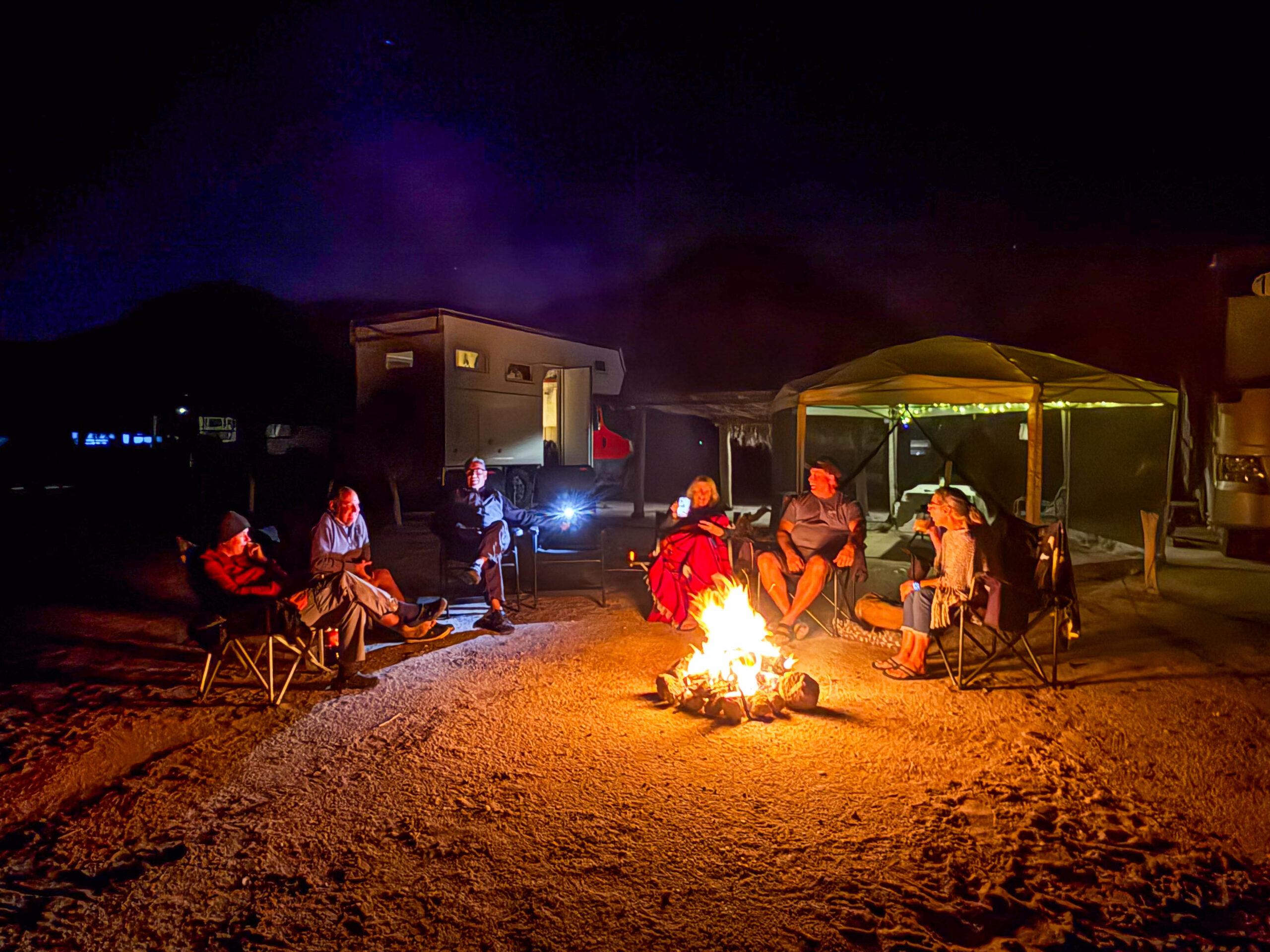
„Offiziell darf sich Mulegé „Heroica Mulegé“ nennen. Dieser Titel geht auf den Amerikanisch-Mexikanischen Krieg der Jahre 1846–1848 zurück. Die Truppen der Vereinigten Staaten versuchten die gesamte Halbinsel Niederkalifornien für die Vereinigten Staaten zu erobern. Sie belagerten Mulegé. Die Anwohner von Mulegé und der umliegenden Dörfer schlugen die US-amerikanische Armee in die Flucht. Mulegé wurde nicht erobert. Zur Belohnung dieser Verteidigung bekam Mulegé den offiziellen Titel „Heroica Mulegé“. Uns präsentiert sich das kleine Städtchen ganz nett, die Kirche hält „Siesta“ über Mittag, wir haben uns noch nicht an hiesiges Klima und Sitten angepasst. Wir fahren noch bis zur Playa Santispac. Zwischen den Stellplätzen finden sich „Palapalas“ – wie die Strohgeflechte auf Gerüsten zum Schatten spenden hier genannt werden. Eigentlich sehr schöne Bucht, am späten Abend und frühen Morgen stören die Retarder der LKWs ein wenig. Gelb blühende Mangroven, klare Luft und sauberes Wasser. Wir treffen auf deutschstämmige Kanadier vom Okanagen Lake, die uns an ihr Feuer einladen und mit selbstgemachten Margaritas verwöhnen. Wir sind unwissend letztes Jahr direkt an ihrem Haus vorbei gefahren – die Welt ist doch klein. Spannend noch, das Eintreffen der Seabridge-Tour und den abendlichen „Stuhlkreis“ zu beobachten. 15 Fahrzeuge sind es auf dieser Tour.
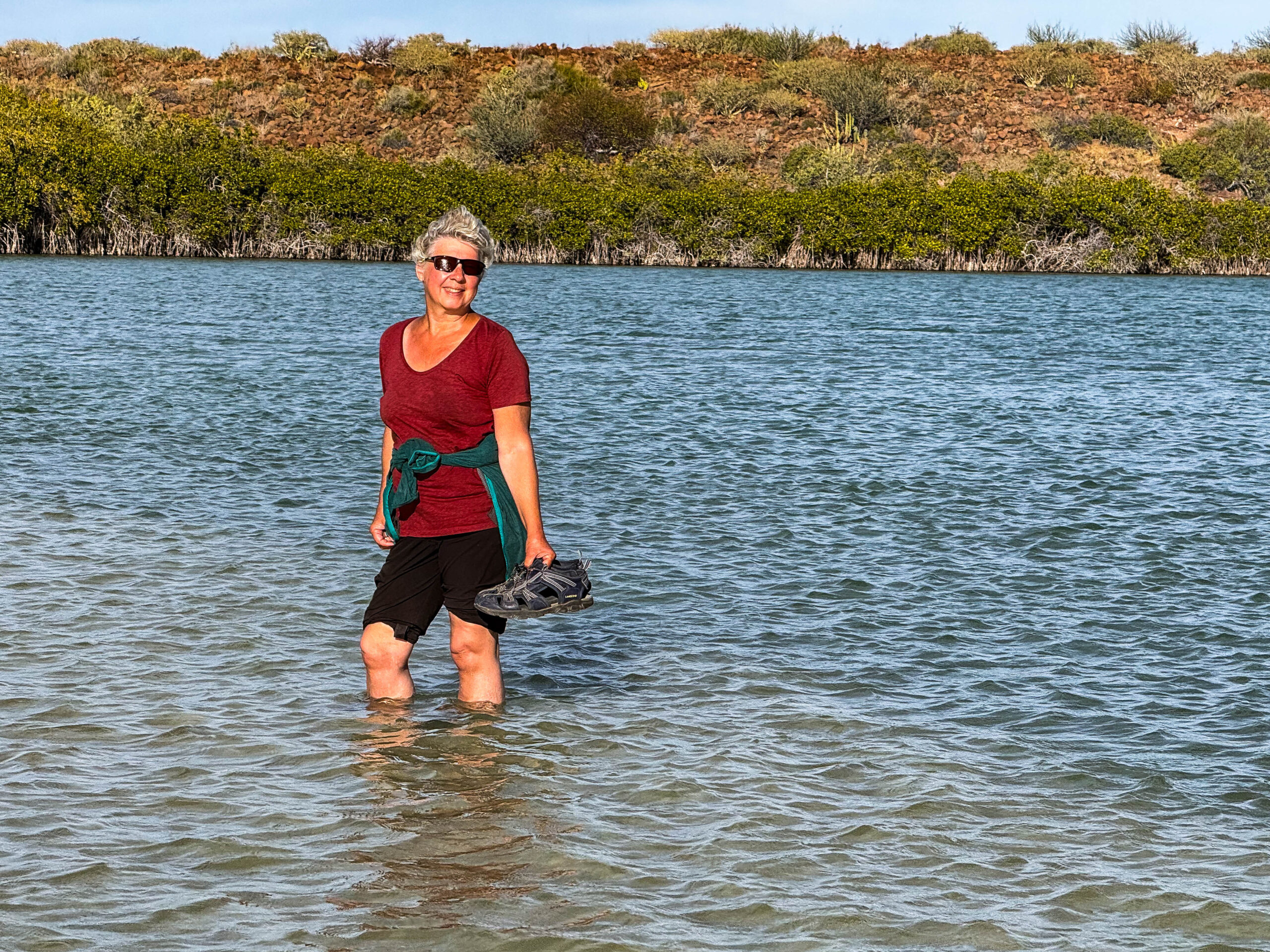
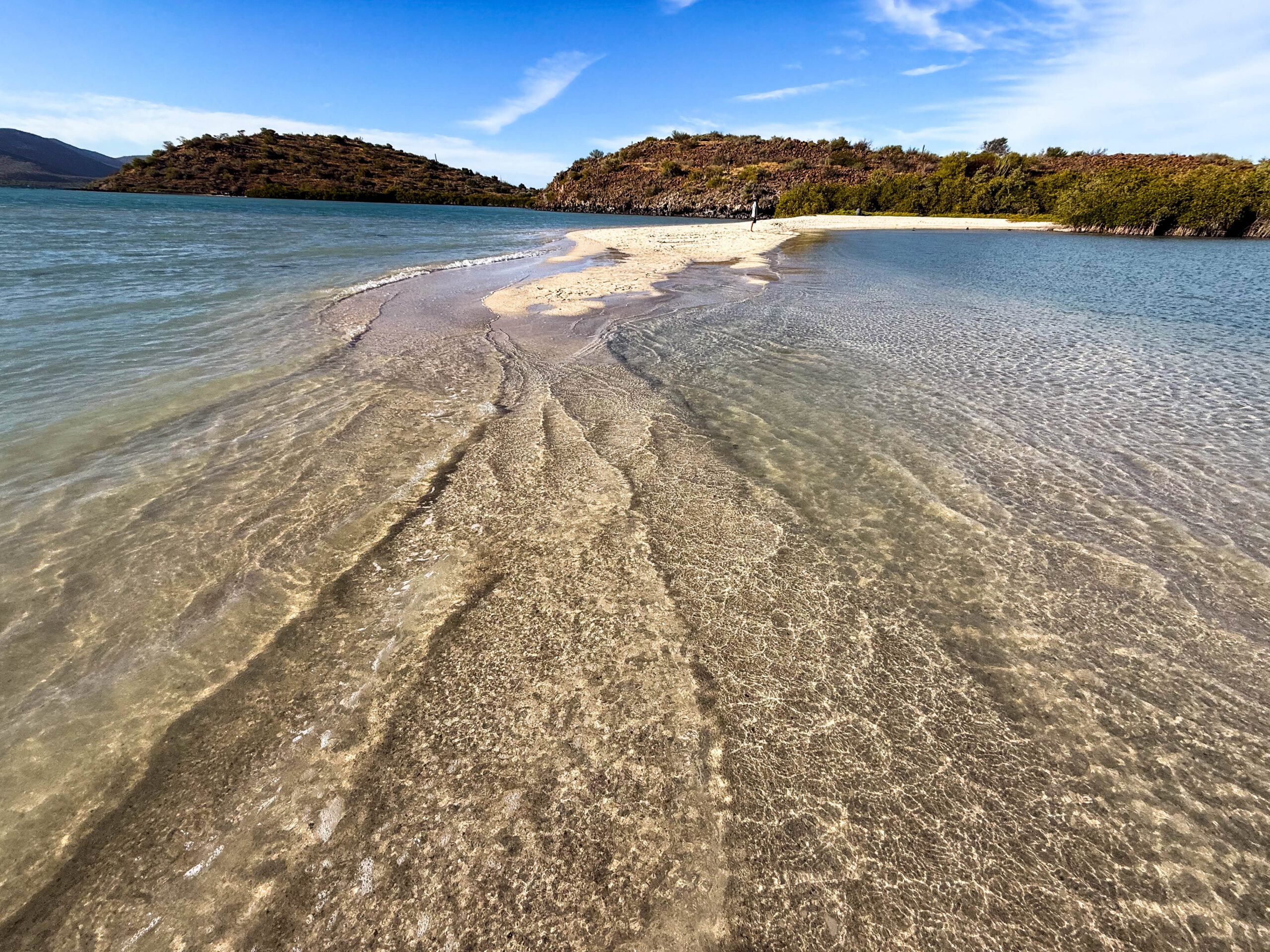
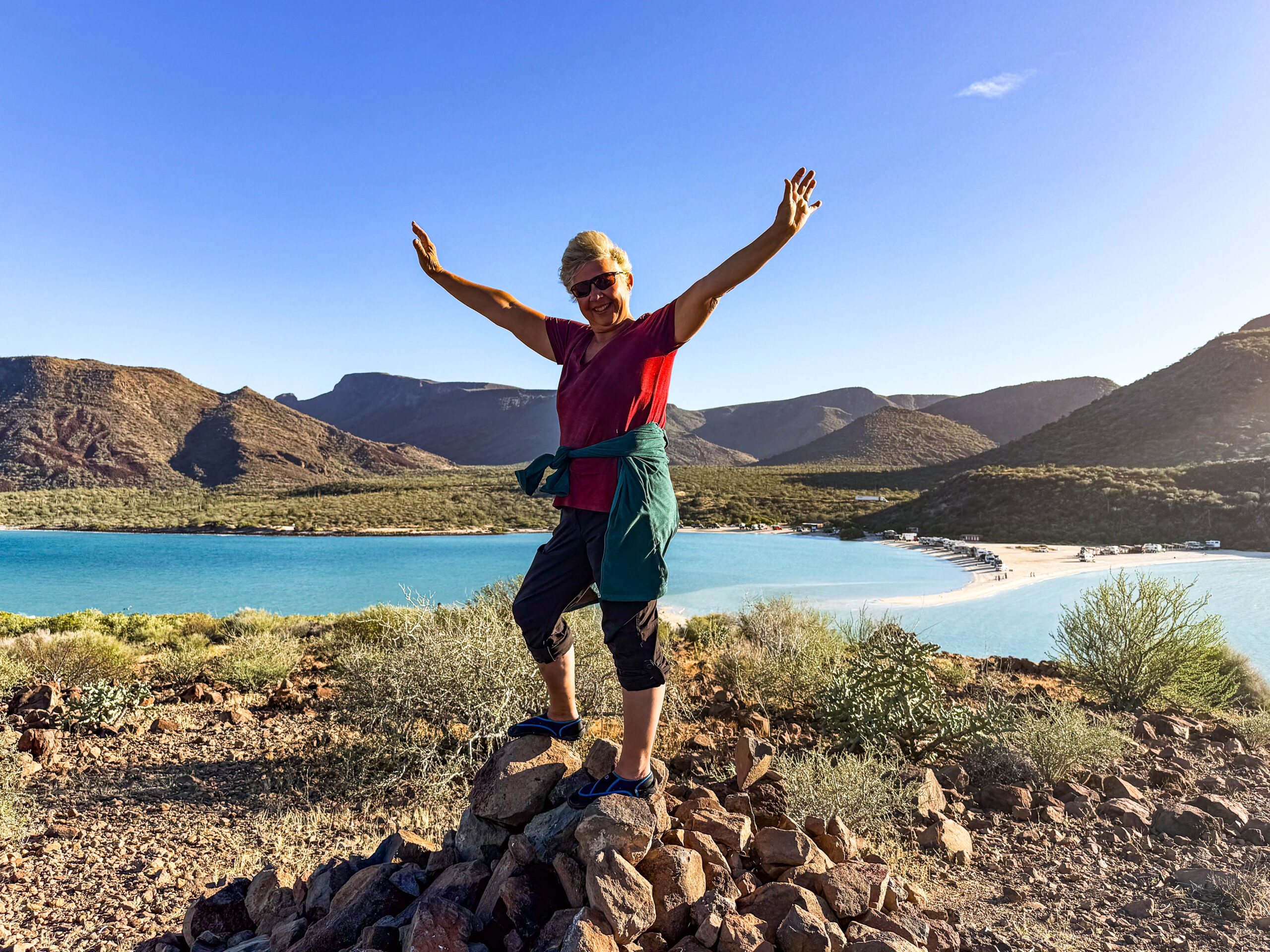
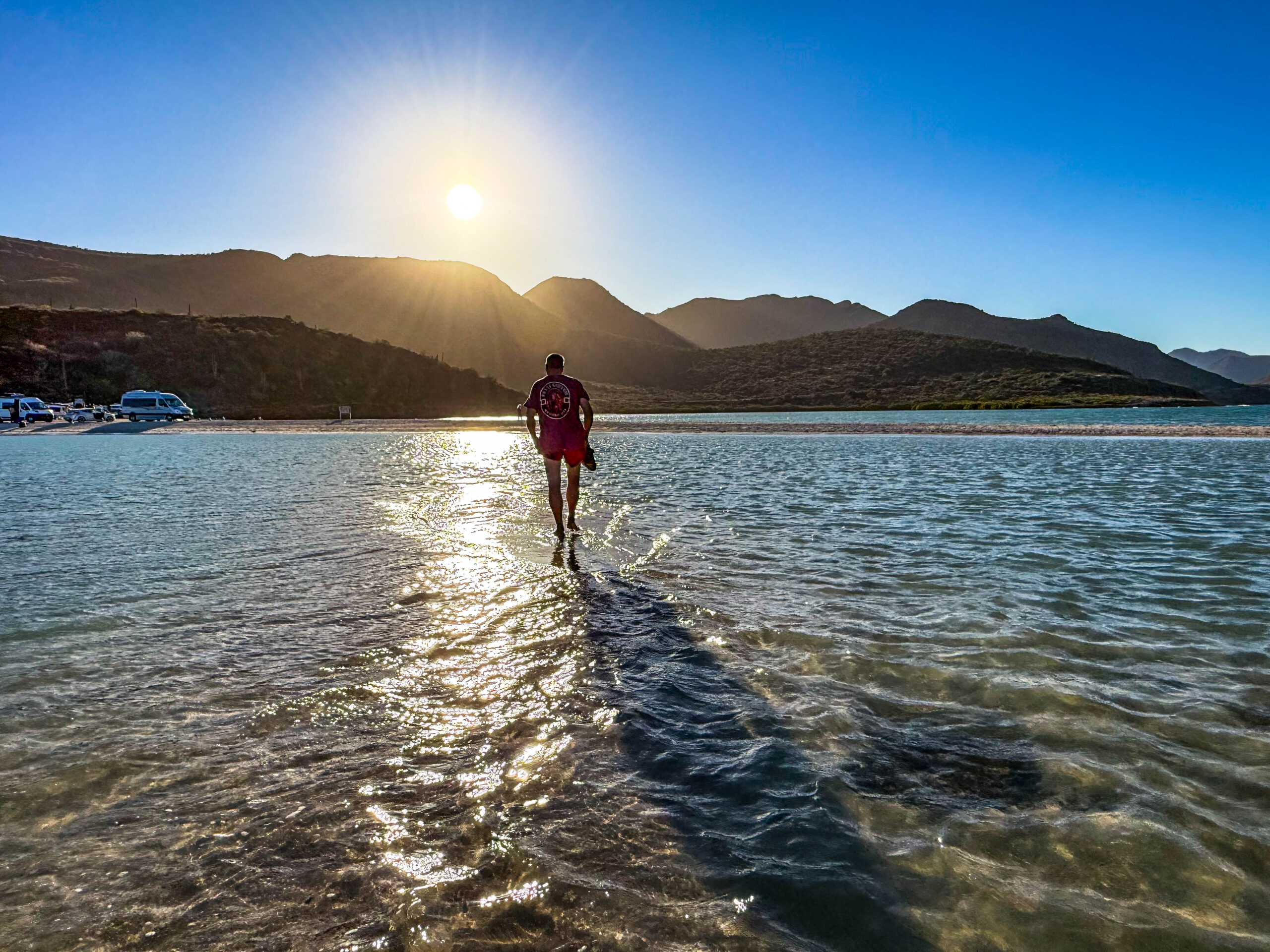
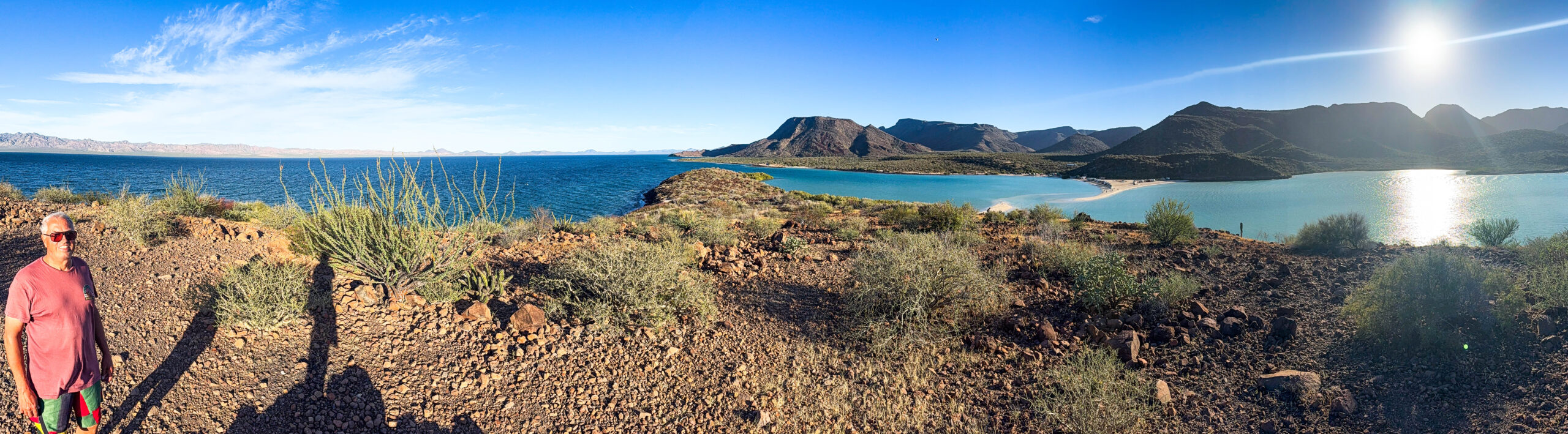
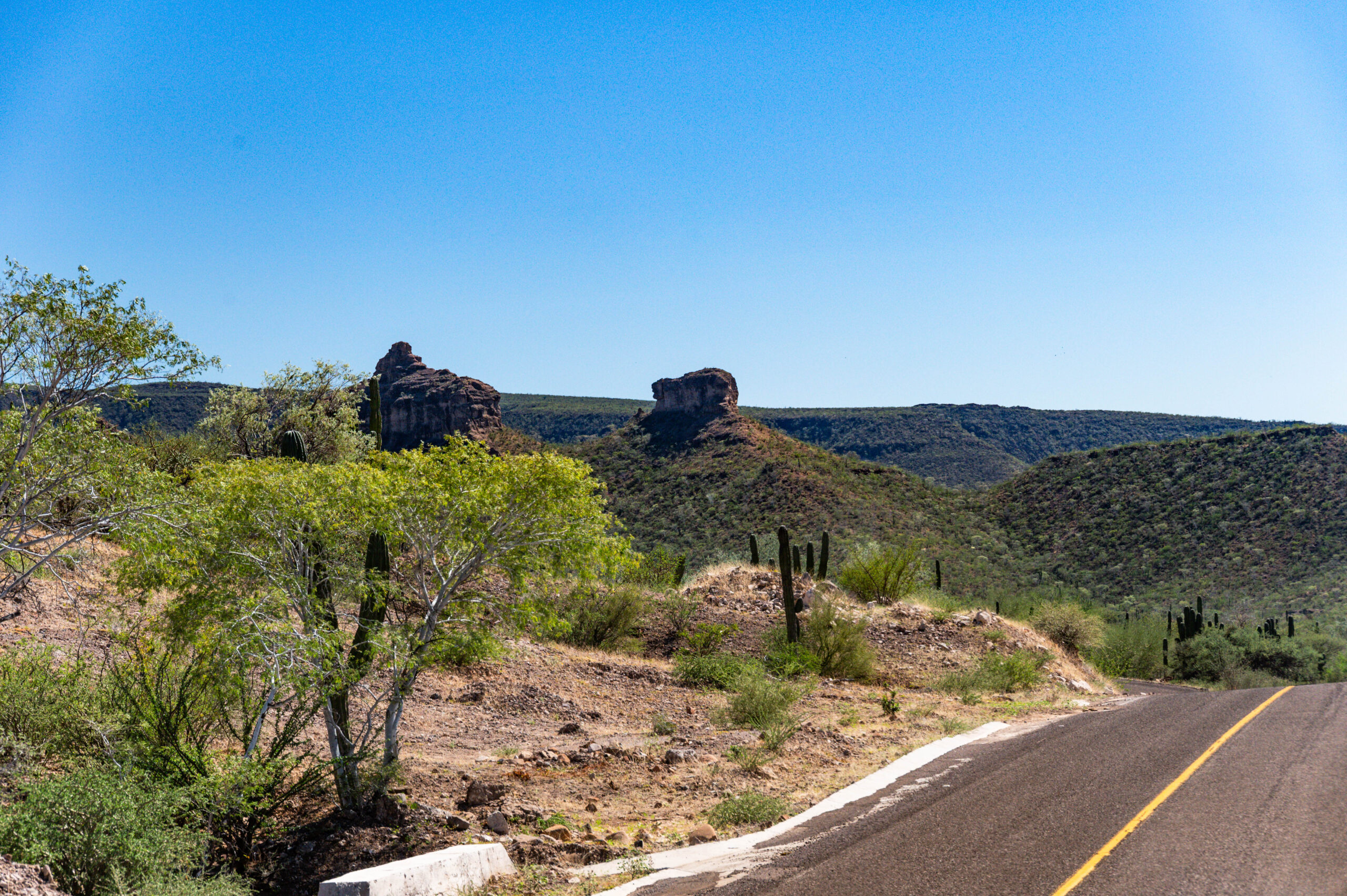
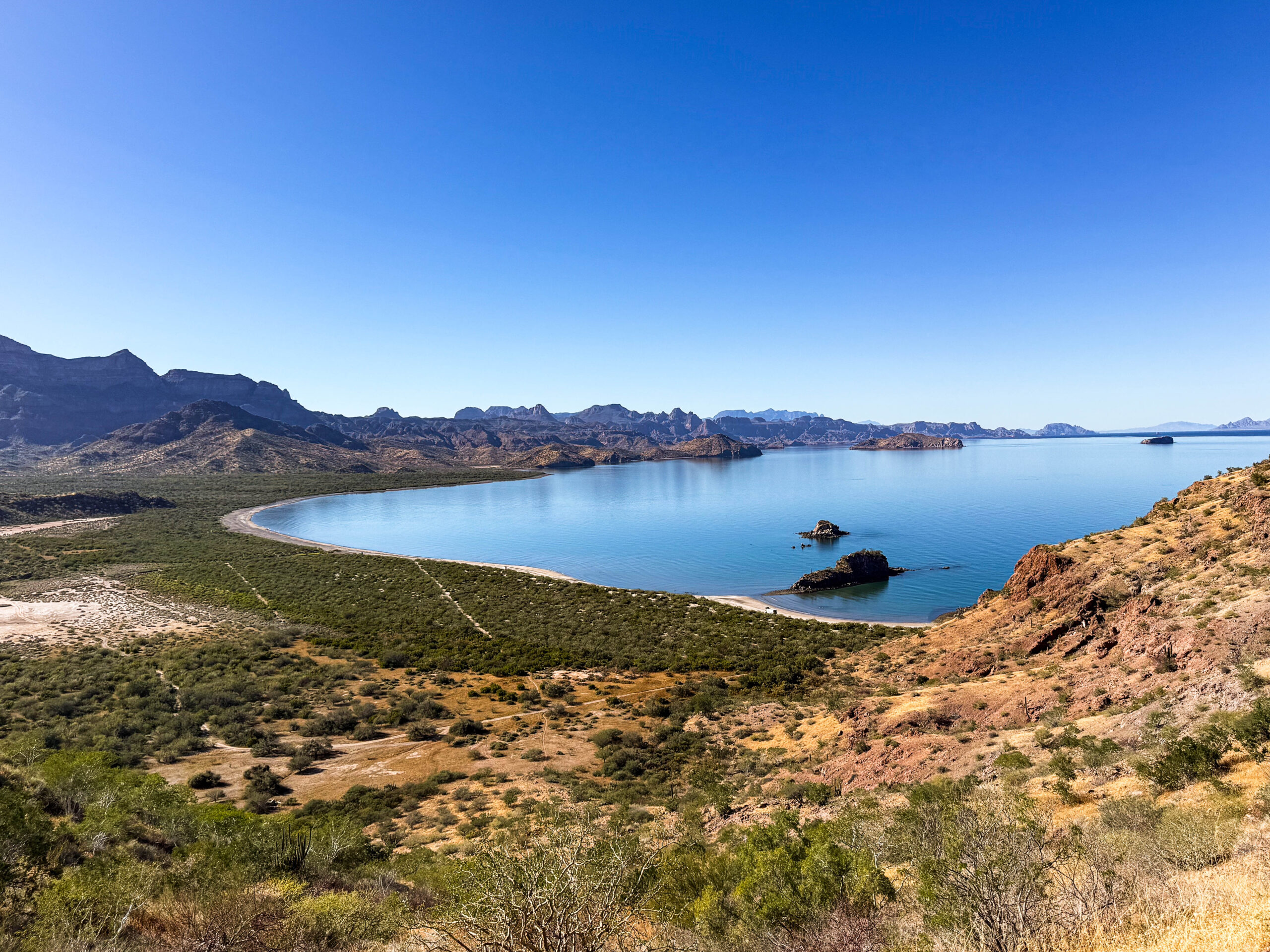
Wir wechseln den Strand. Über eine schöne, hügelige Küstenstrecke mit vielen Buchten, Kakteen und Bergen im Hintergrund geht es zur Playa Requeson. Reichlich Wind, wir laufen entlang der Bucht und Gelagen über eine Untiefe zu einer kleinen Insel. Hier erfahren wir auch vom Tode des Drogenkartell-Chefs „El Mencho“ und die draus resultierenden Unruhen in ganz Mexiko, Straßenblockaden, brennen Autos, geplünderten Geschäften, geschlossenen Flugplätzen – bei uns ist und bleibt alles ruhig. Wir warten einfach in dieser schönen Bucht ab bis sich alles wieder beruhigt hat.
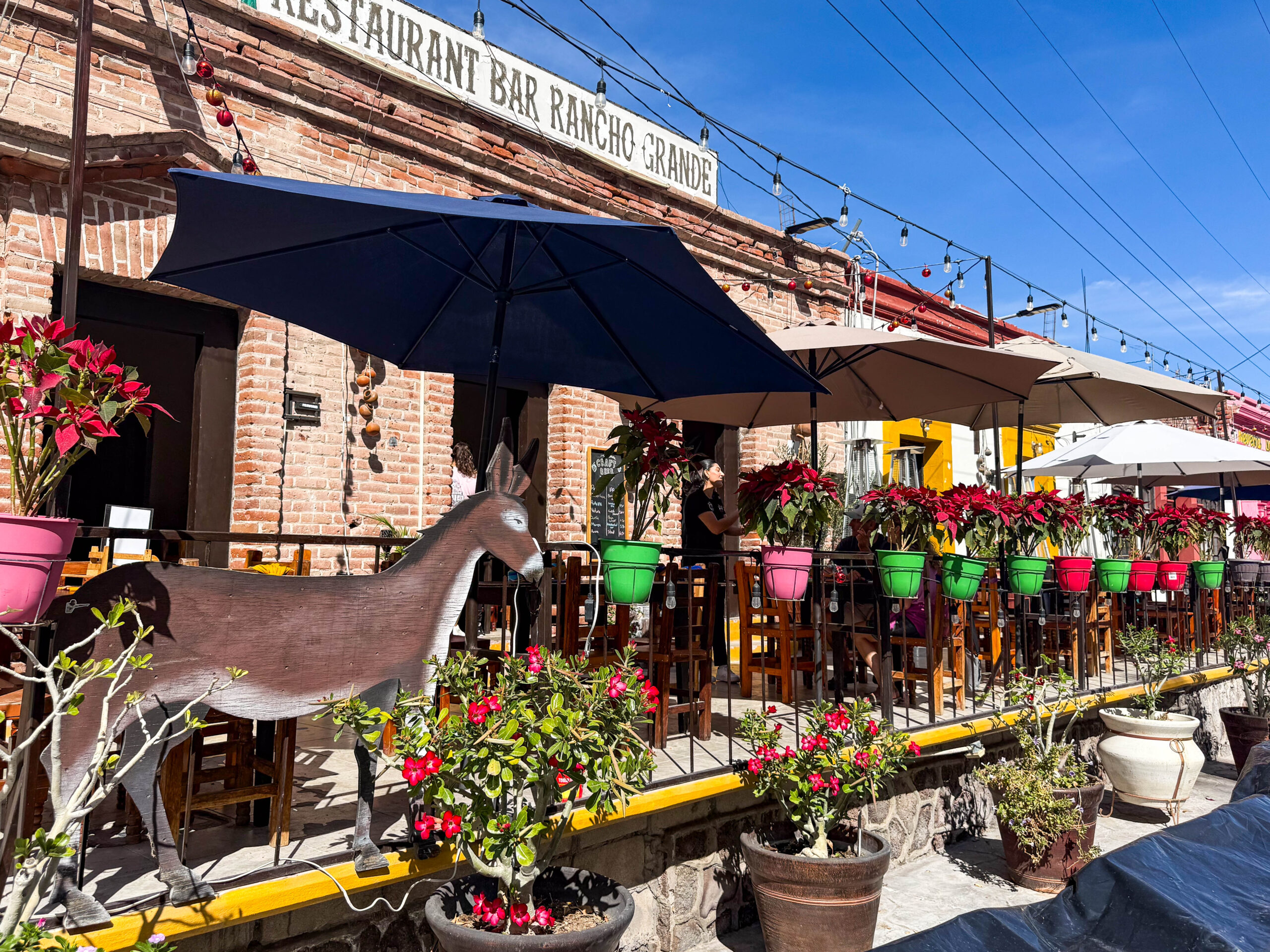
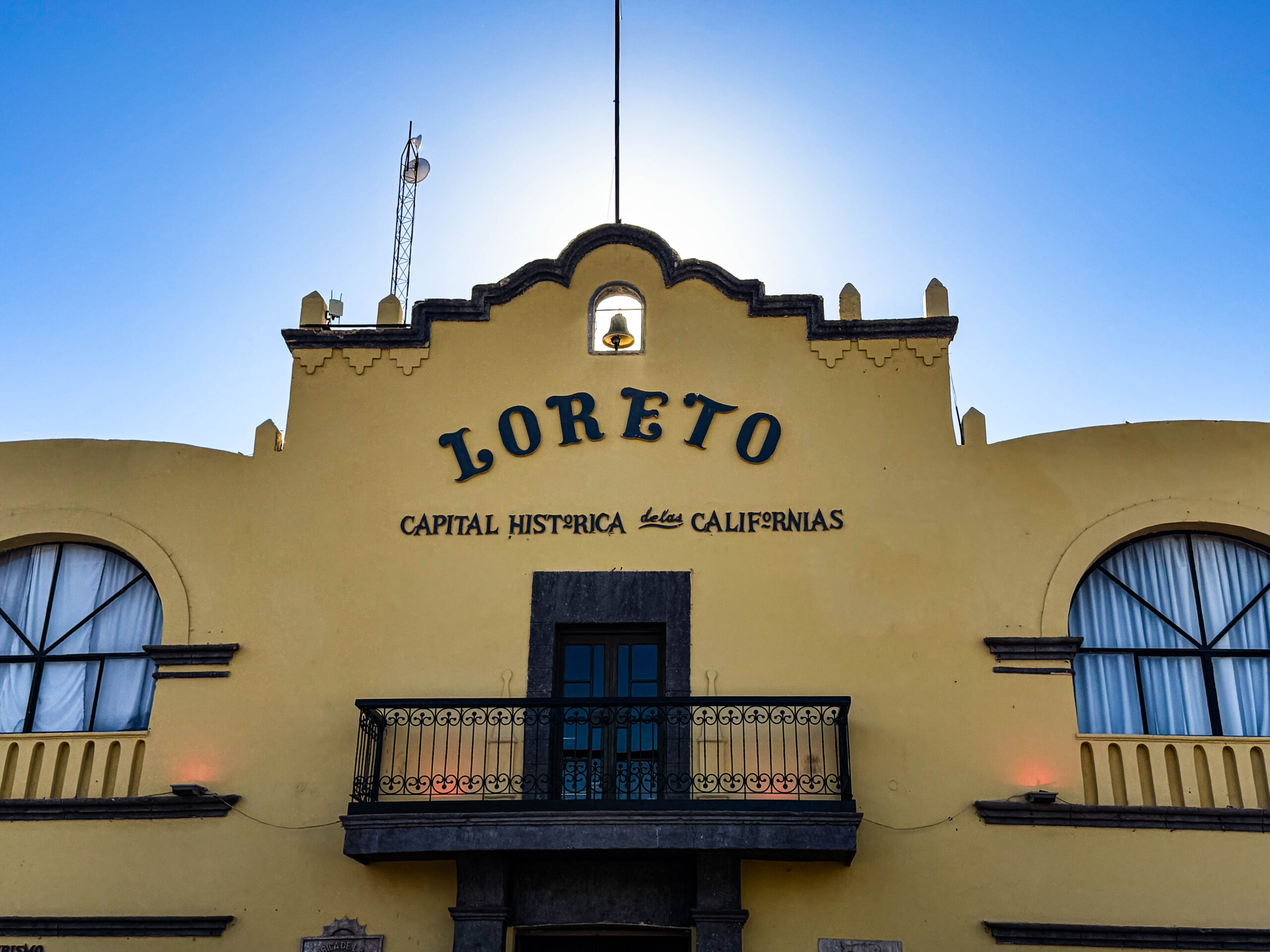
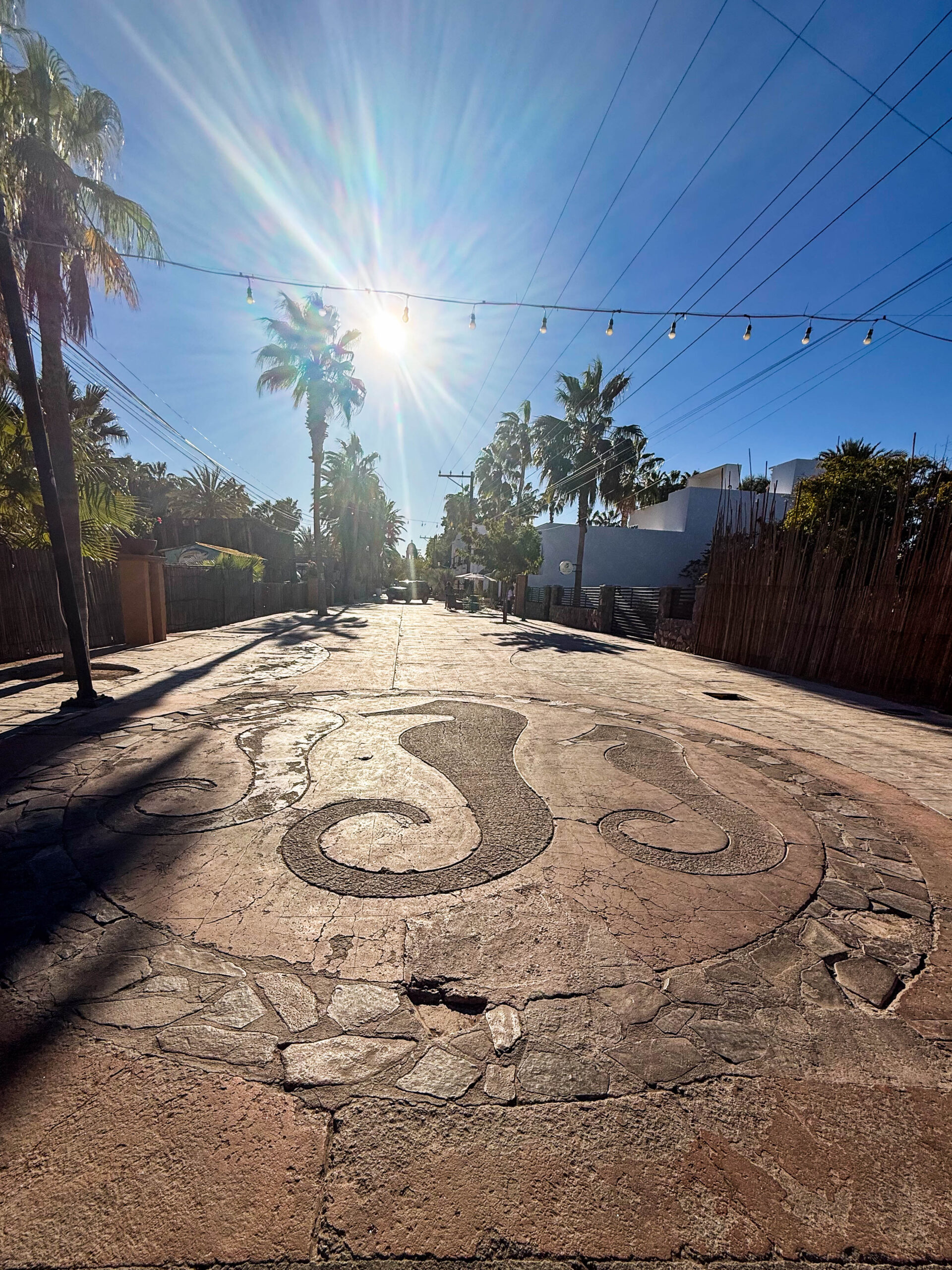
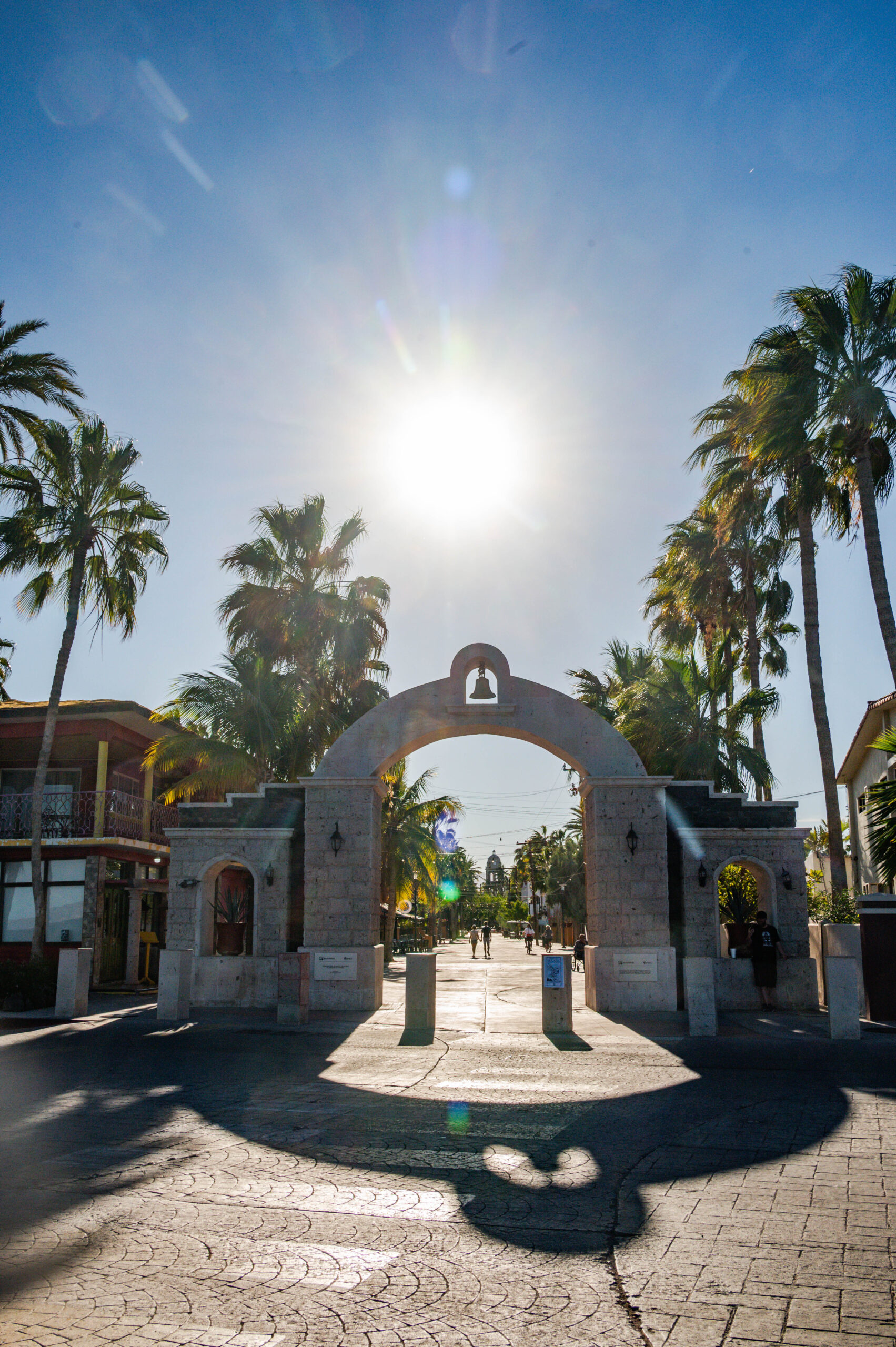
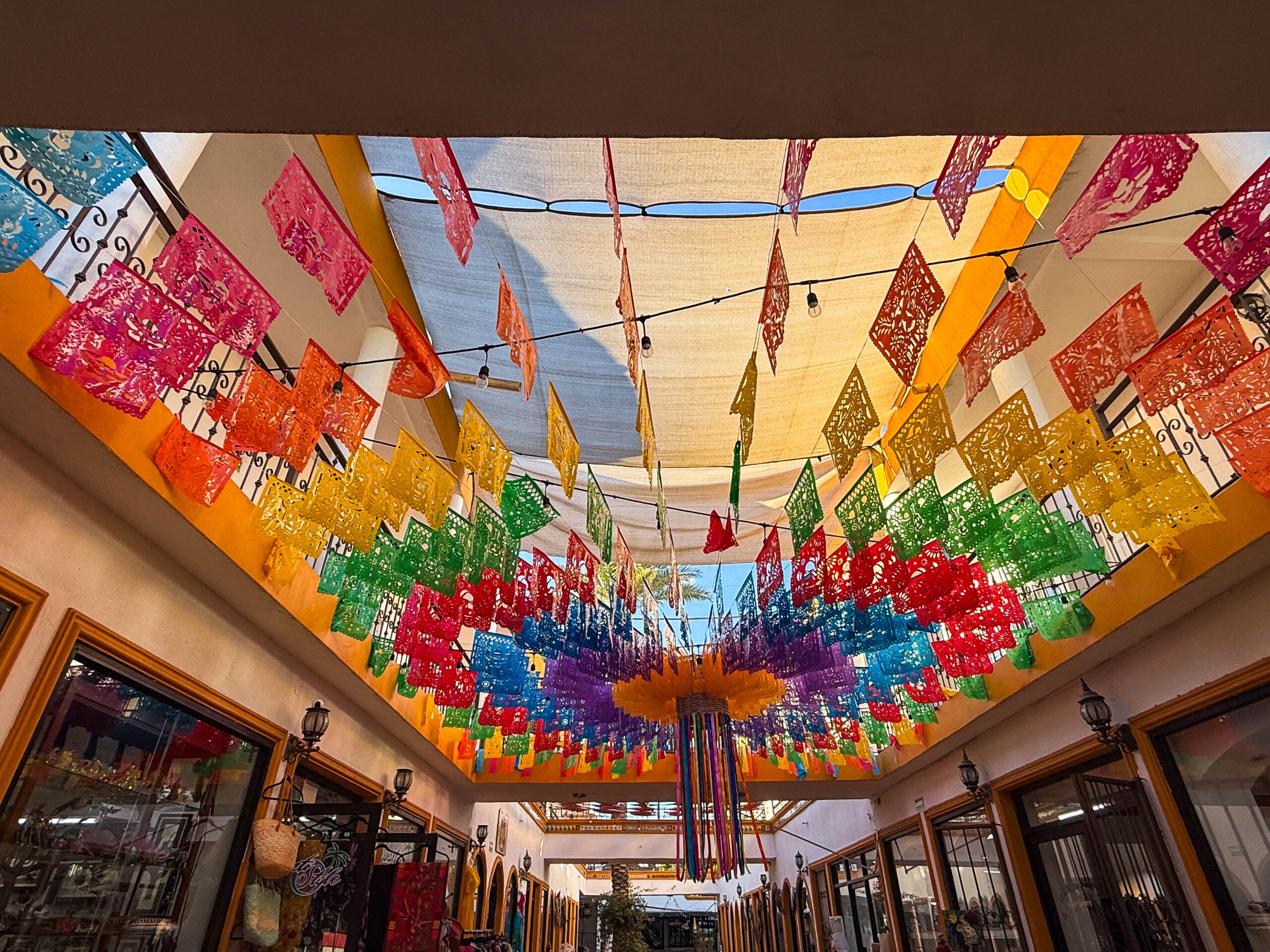
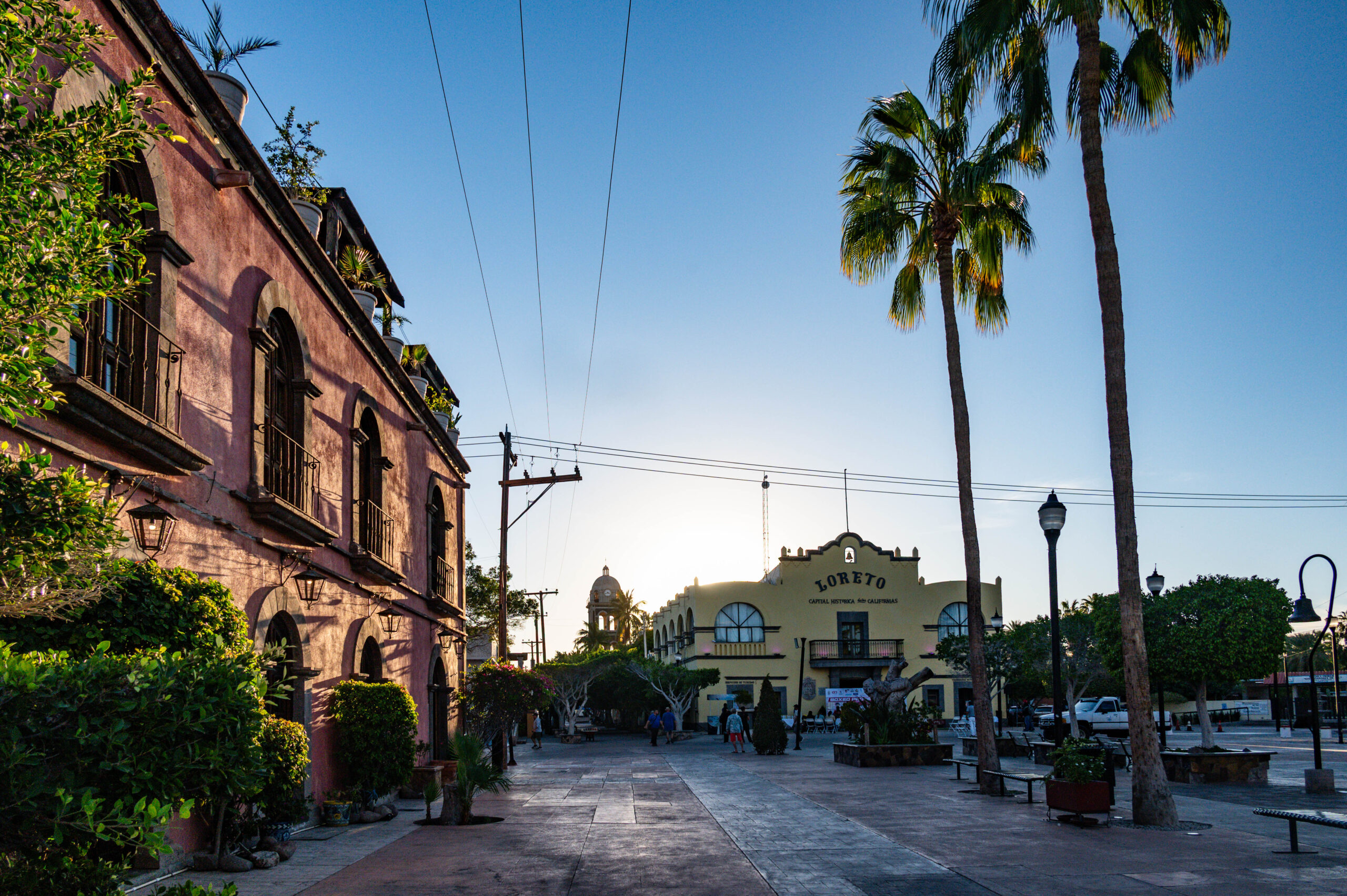
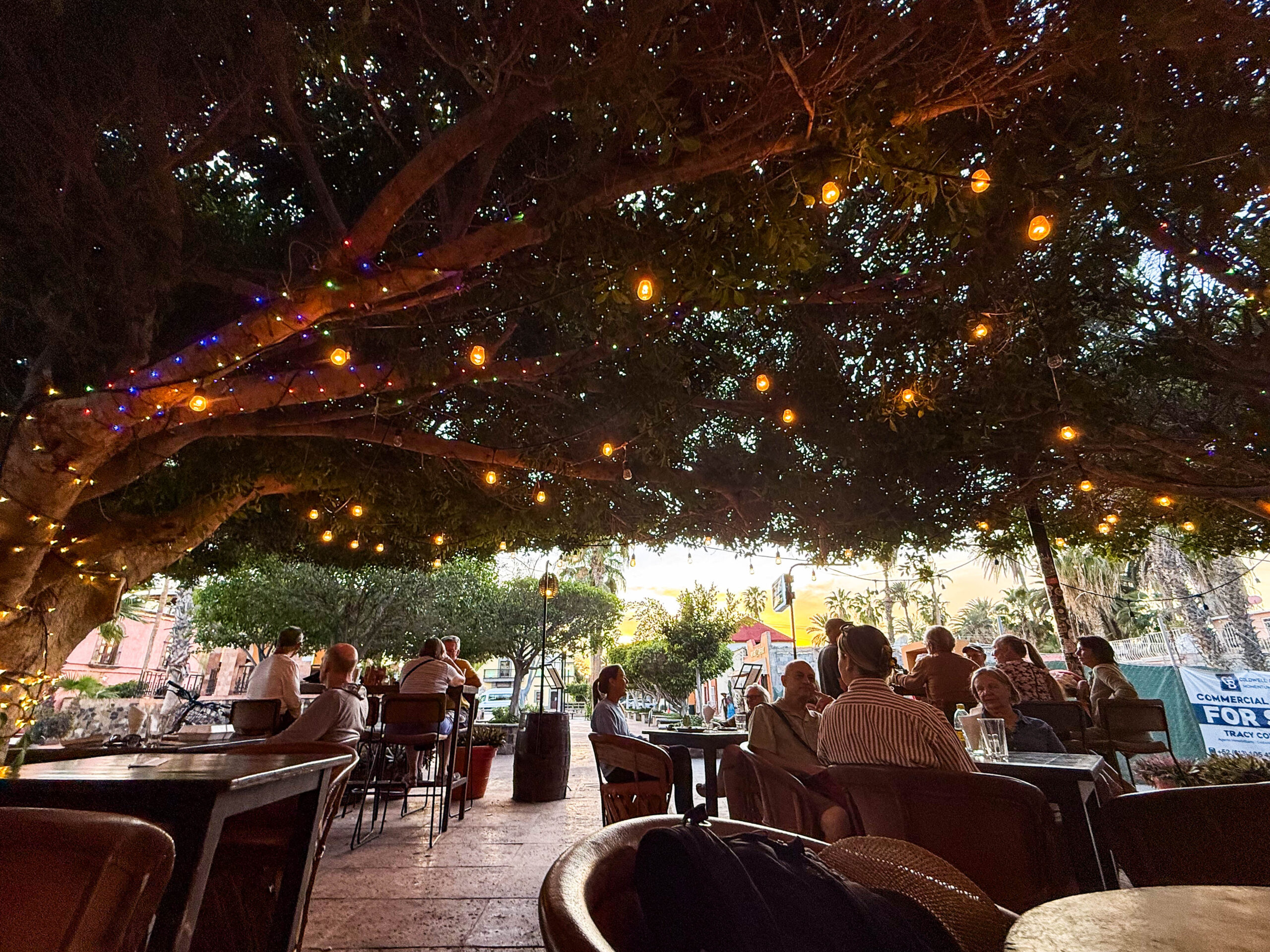
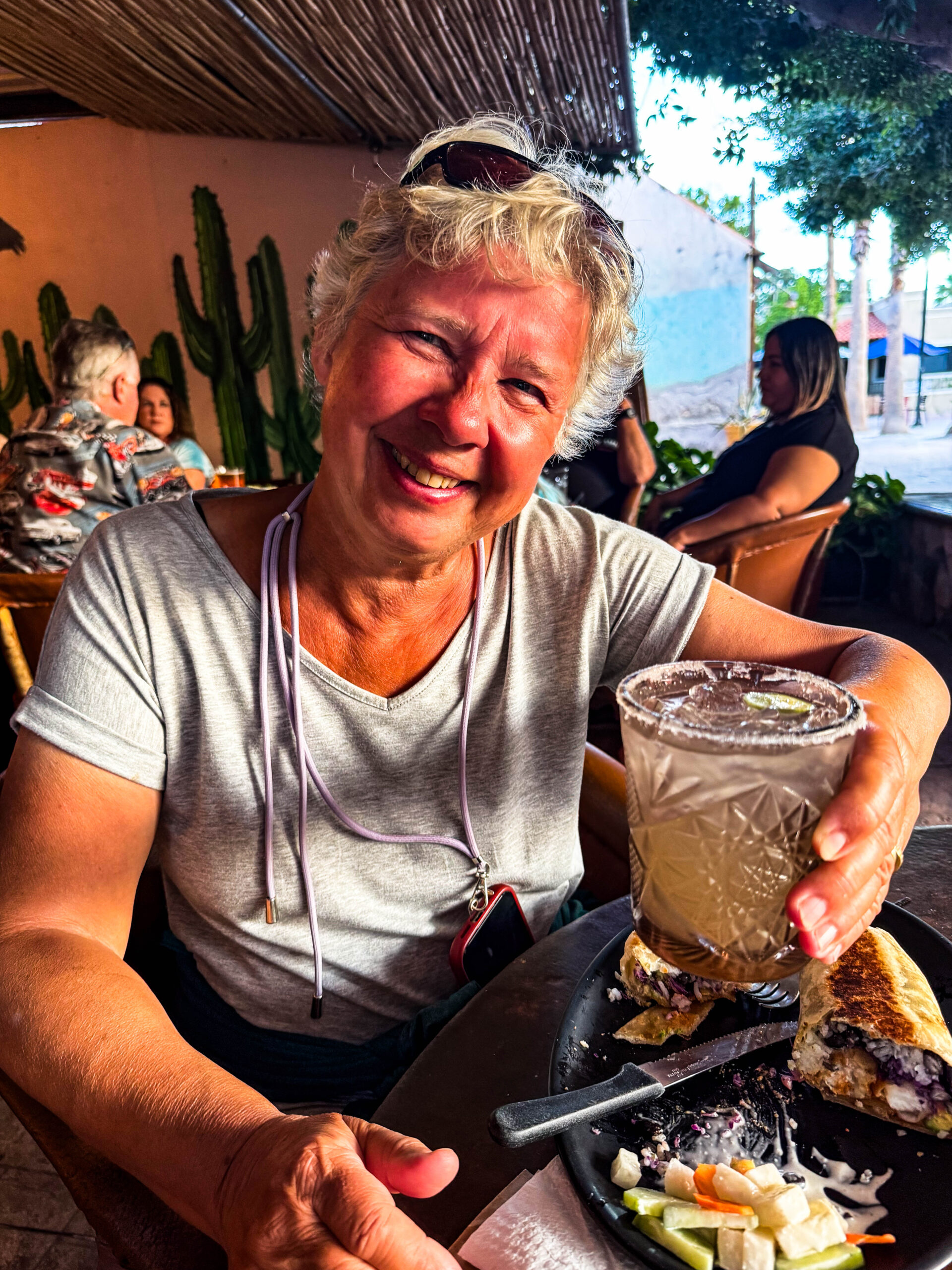
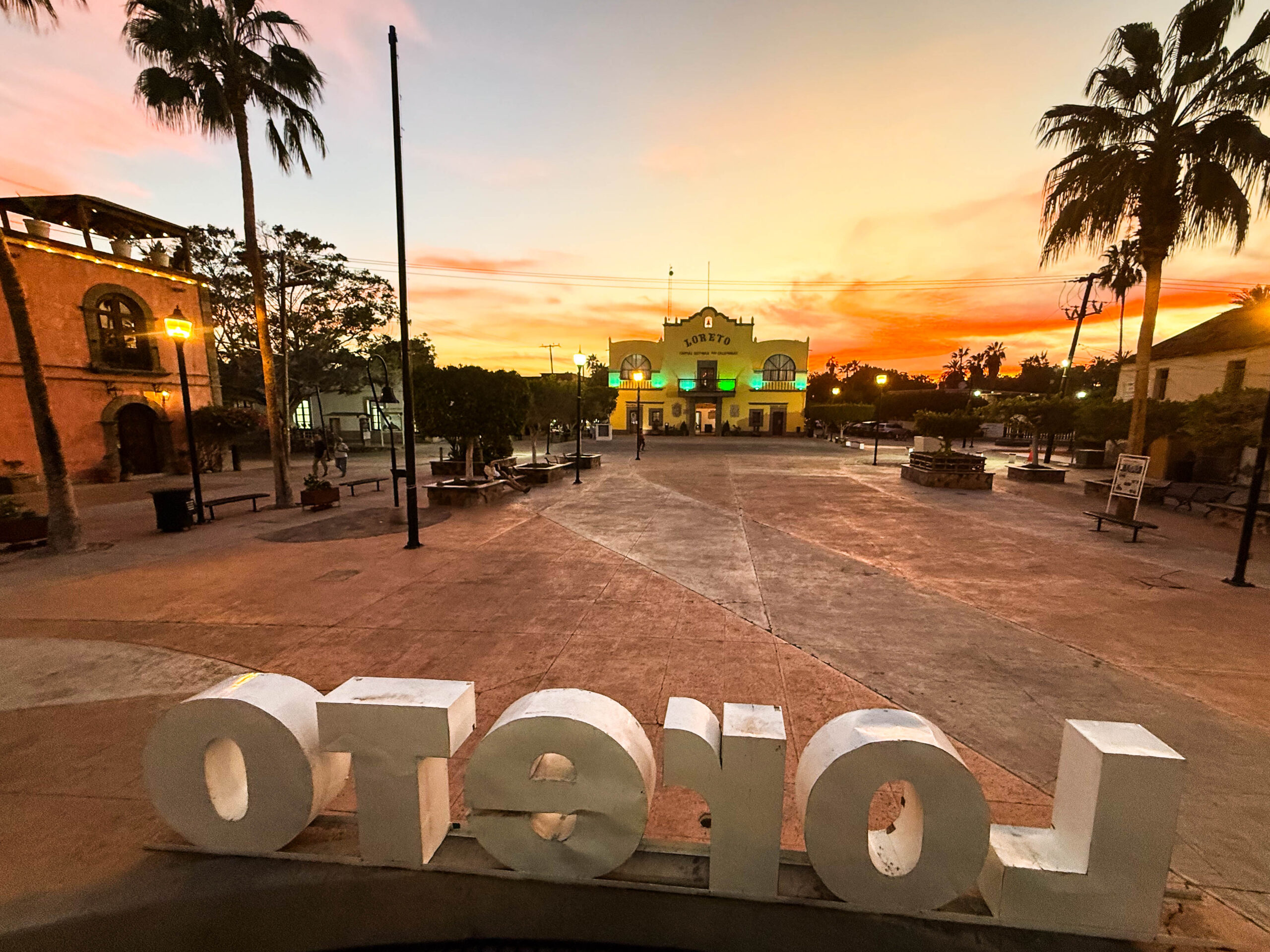
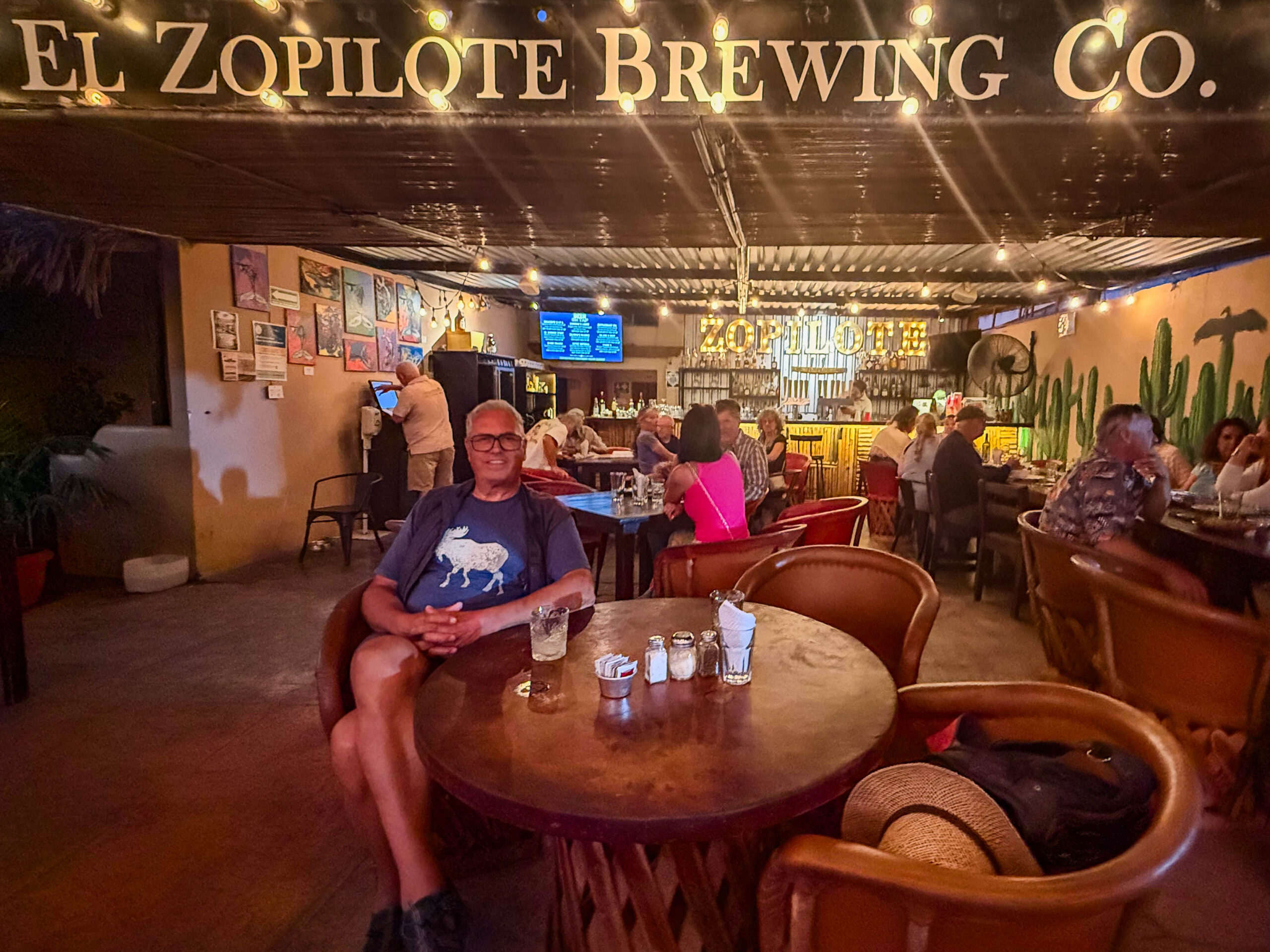
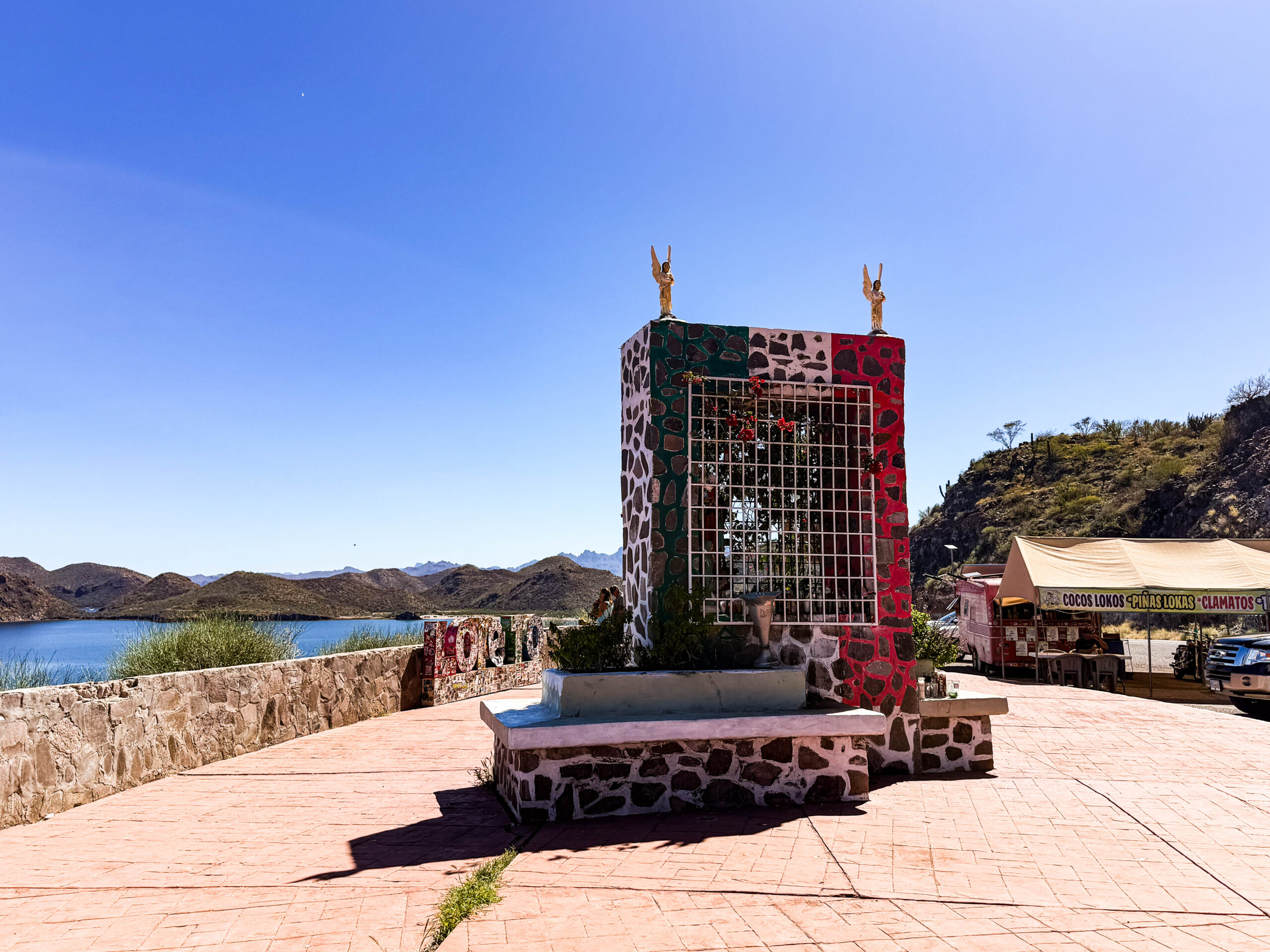
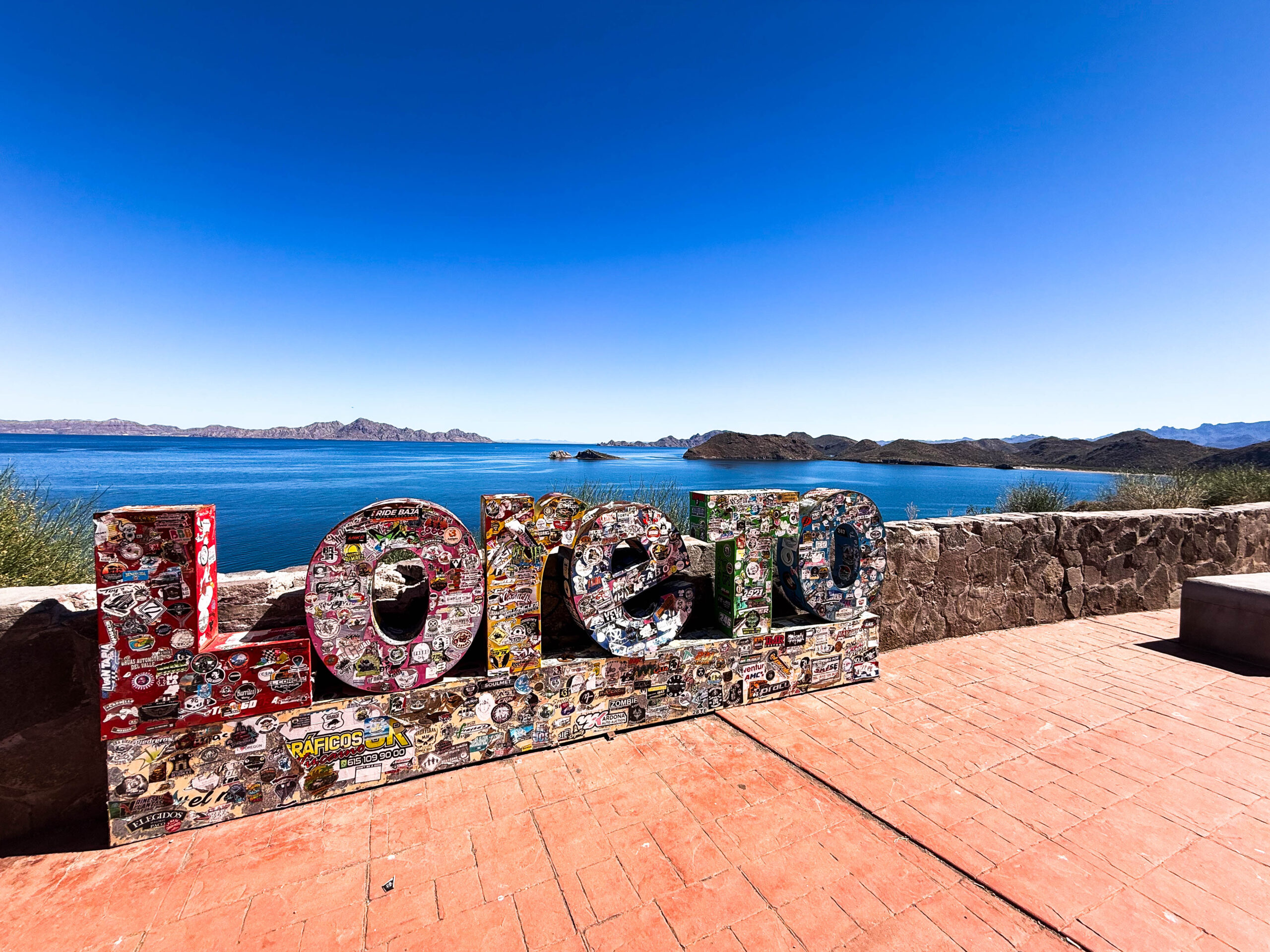
Wieder malerische Strecke entlang der Buchten, bei leider schlechten Straßenverhältnissen nach Loreto, wo uns die Kanadier auf dem RV-Park Rivera del Mar einen Platz reserviert haben. Wir genießen das Städtchen und essen in einer lokalen Brauerei direkt an der Plaza, nachdem die Verabredung mit den Kanadiern nicht geklappt hatte – sie haben uns den Namen des falschen Restaurants gesagt. Am nächsten Tag Wäsche machen, nochmals Stadtbummel und wieder Essen in der Brauerei an der Plaza.
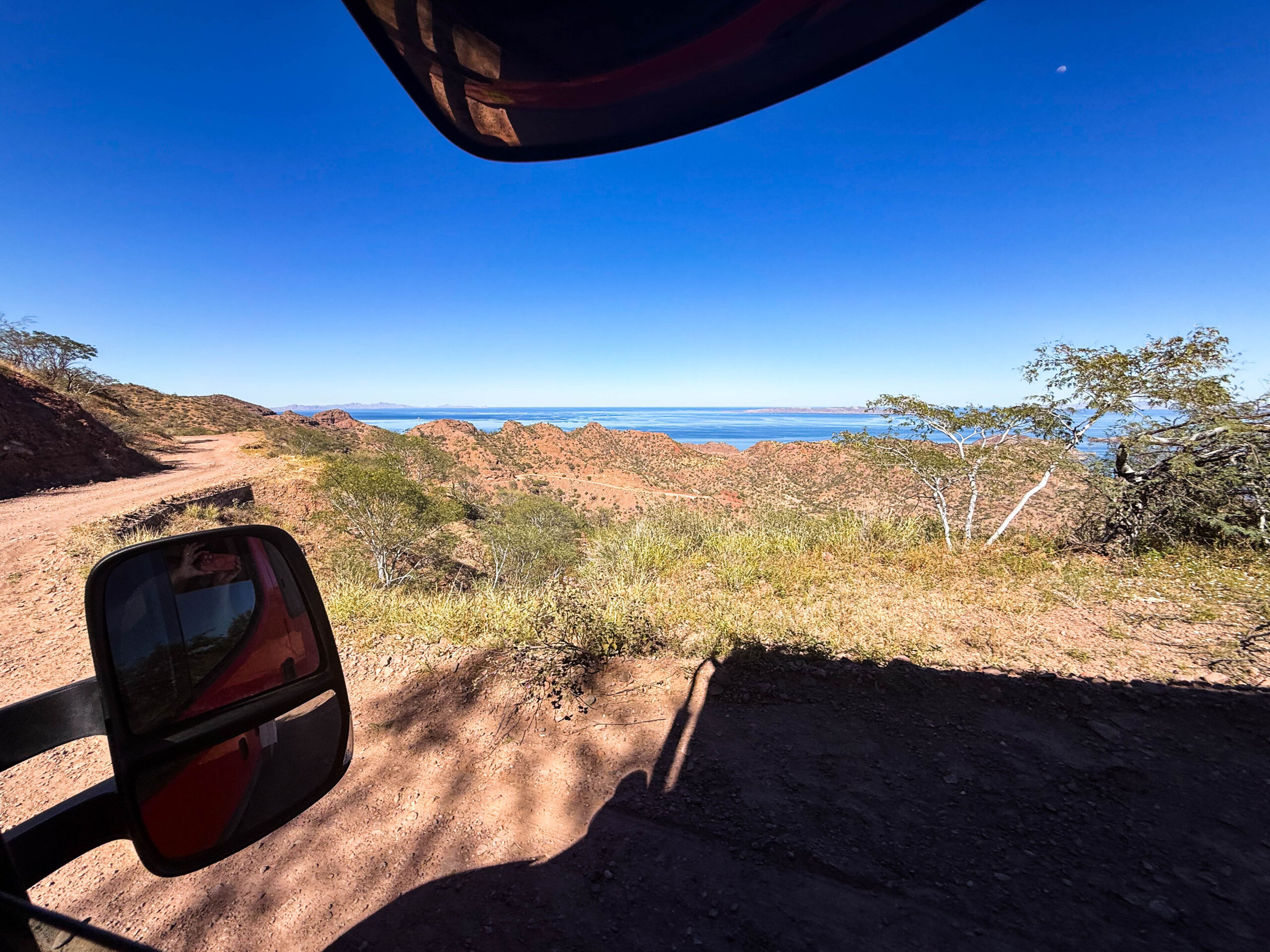
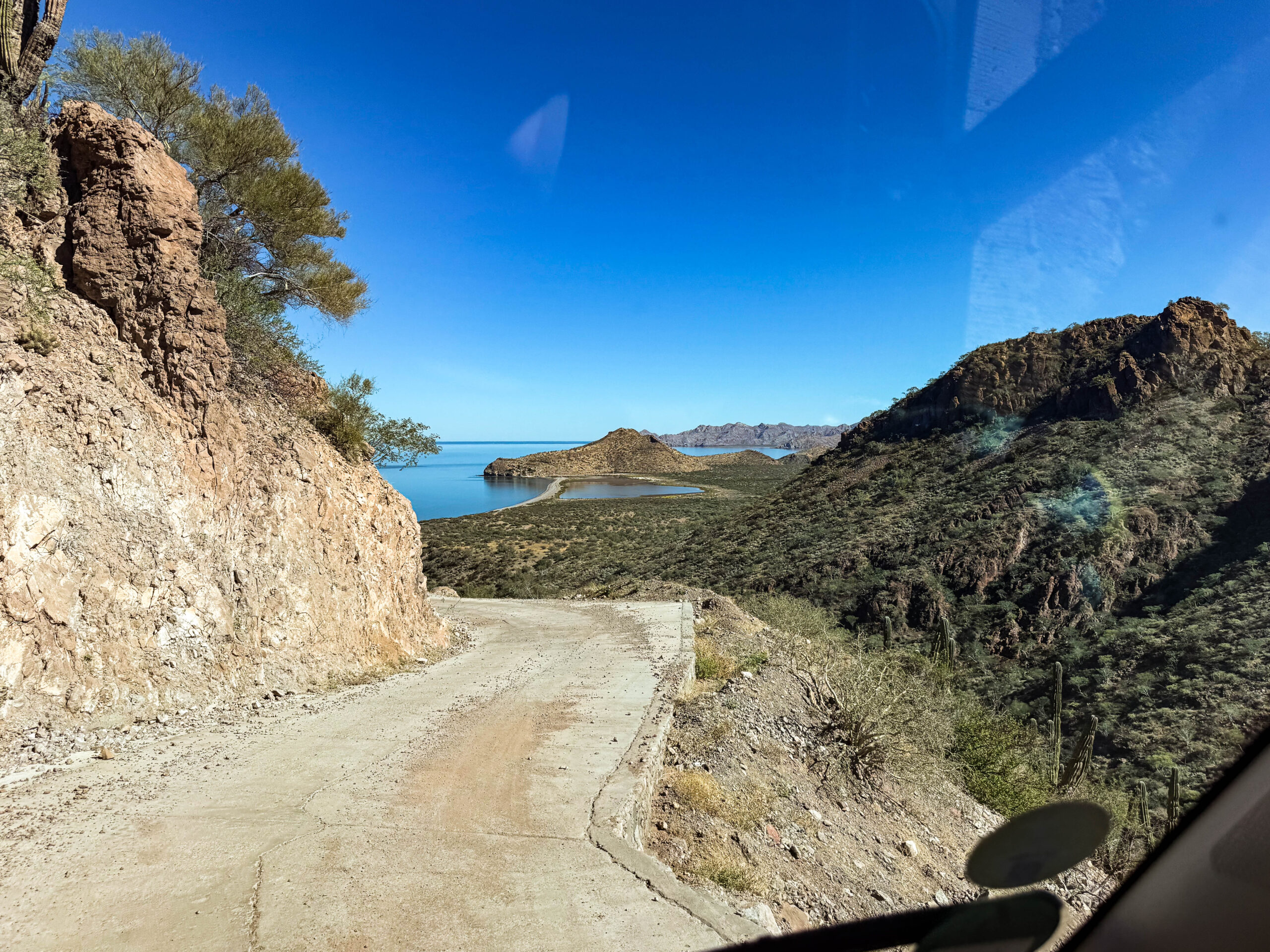
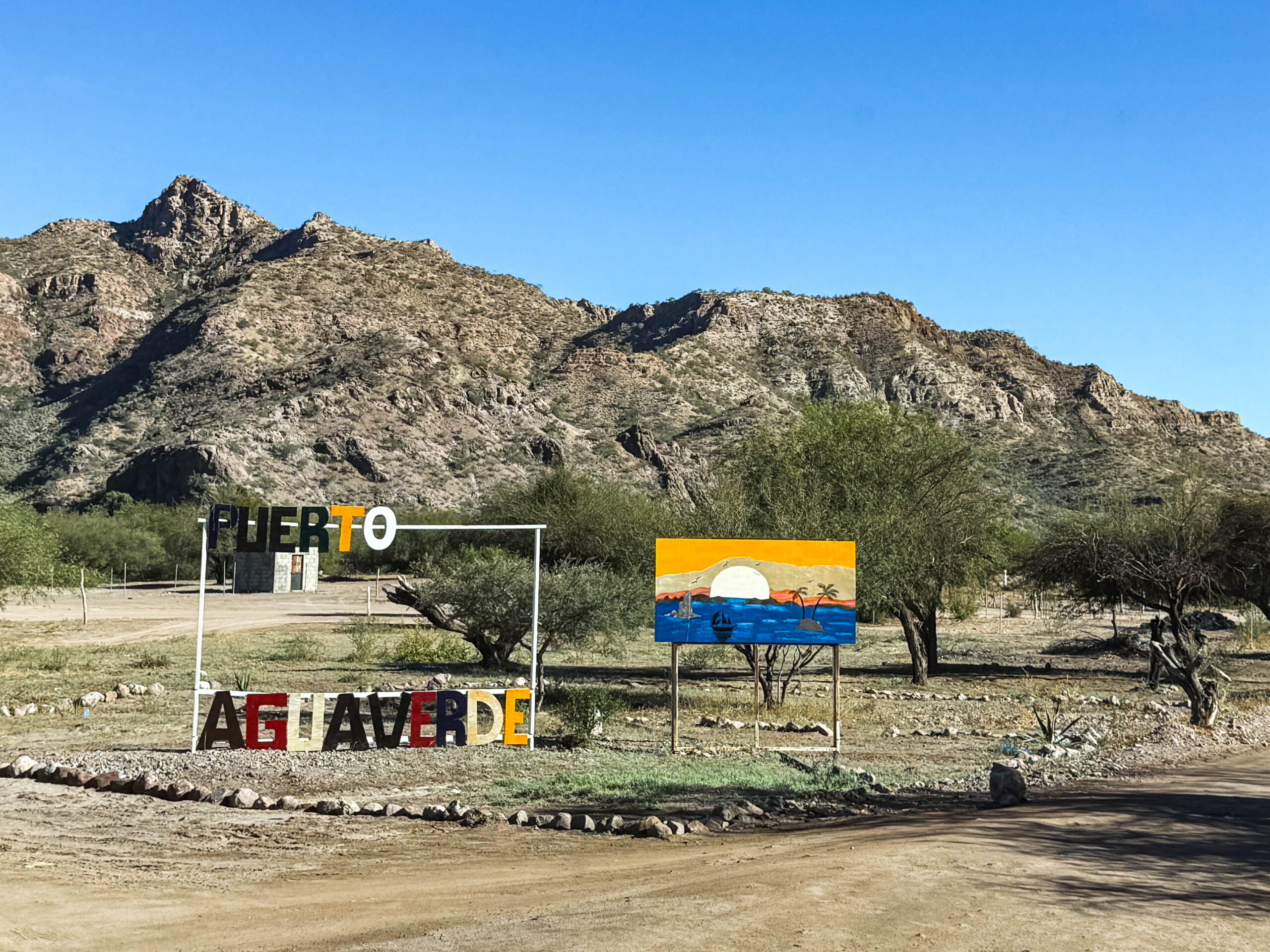
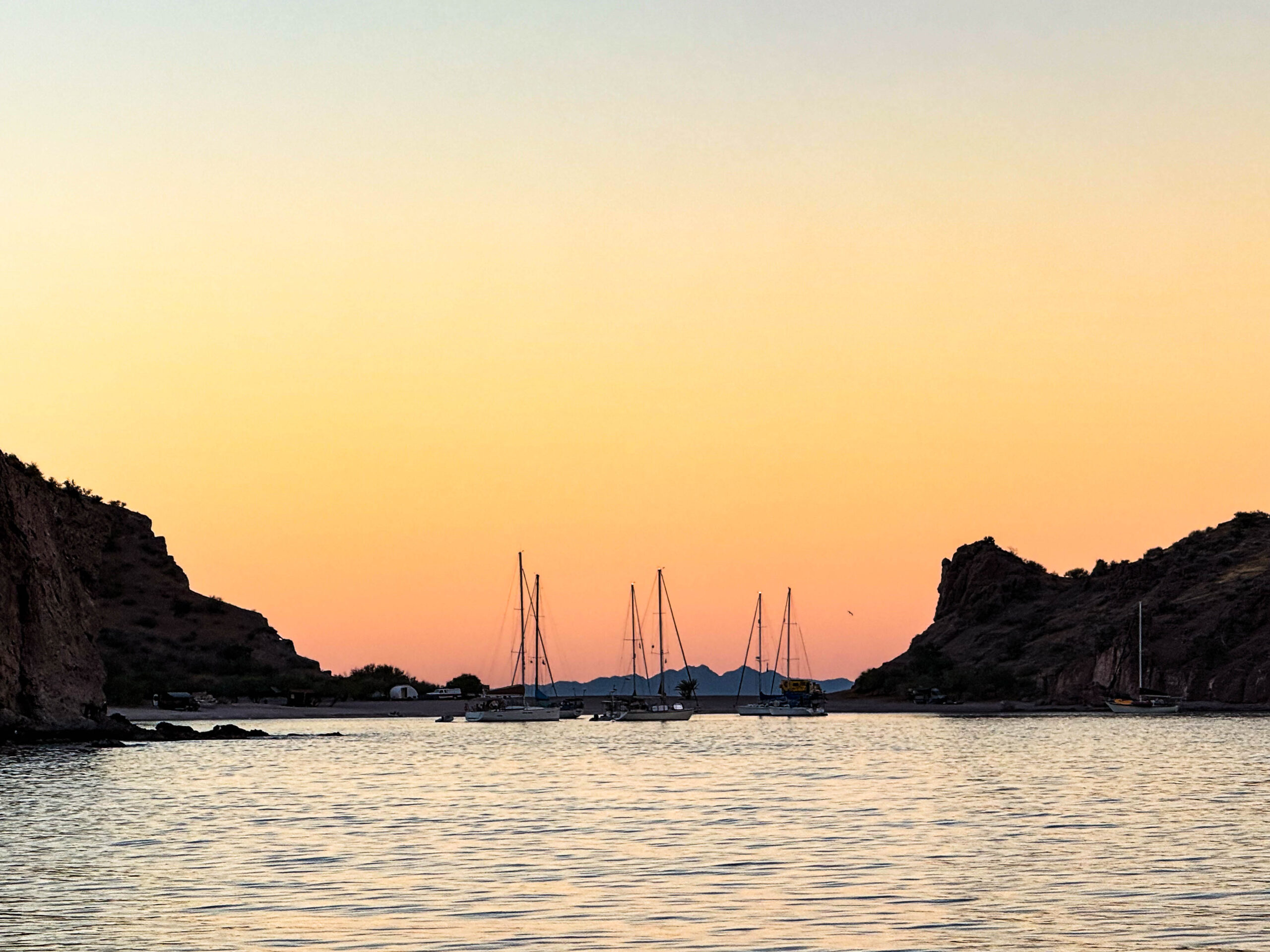
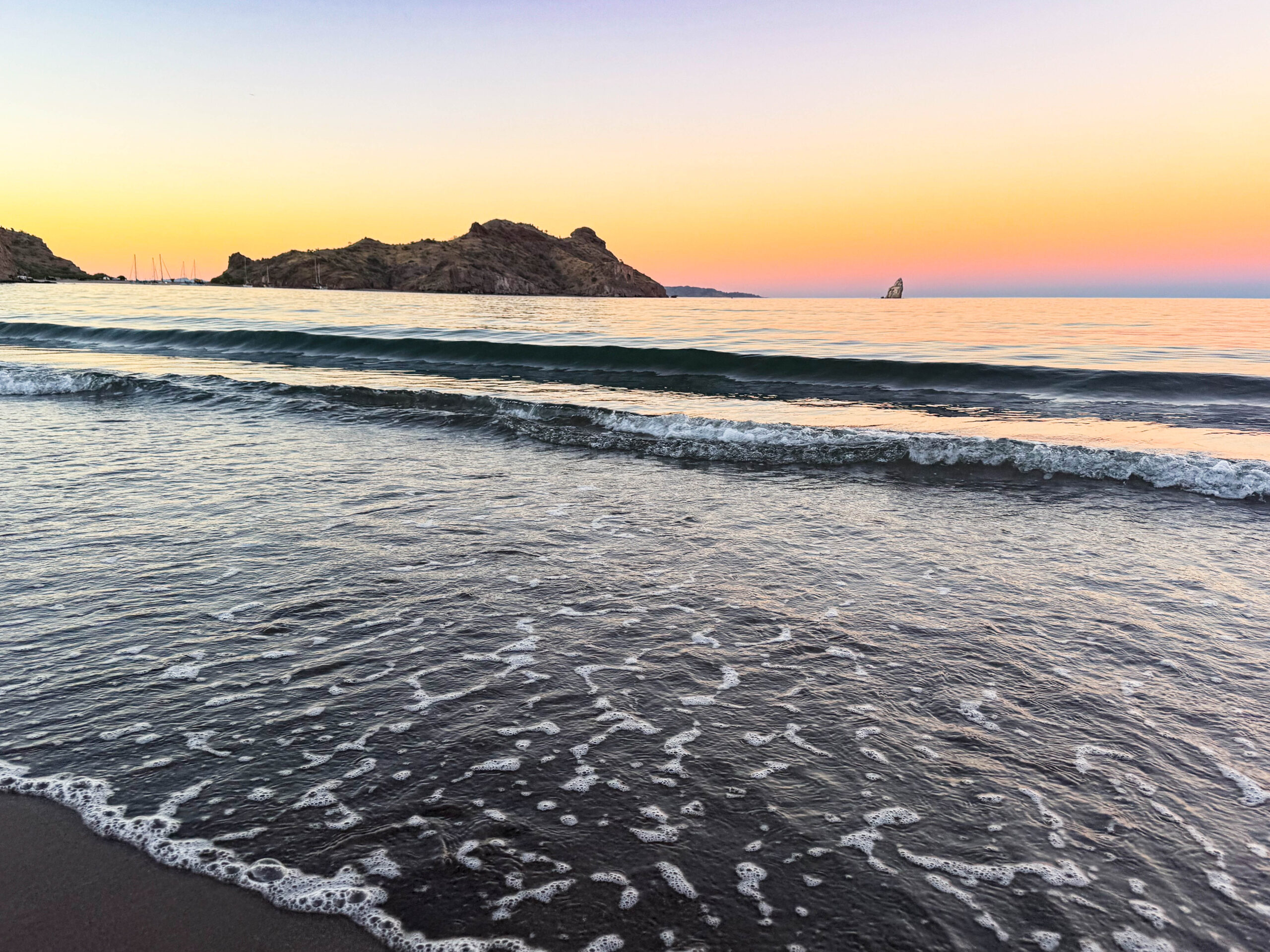
Nach diversen Erledigungen Aufbruch zur Puertigo Aqua Verde. 30km tw. steile und mäßig gepflegte Piste mit 350 Höhenmetern bringen uns zu der berühmten Bucht. Wir bleiben in der Nähe einer kleinen Familienkneipe direkt am schönen Strand stehen. Wir sehen unsere ersten Rochen aus dem Wasser springen. So schön hier und seit 5 Tagen tobt der Krieg im Mittleren Osten, mit verheerenden Folgen für die Weltwirtschaft.
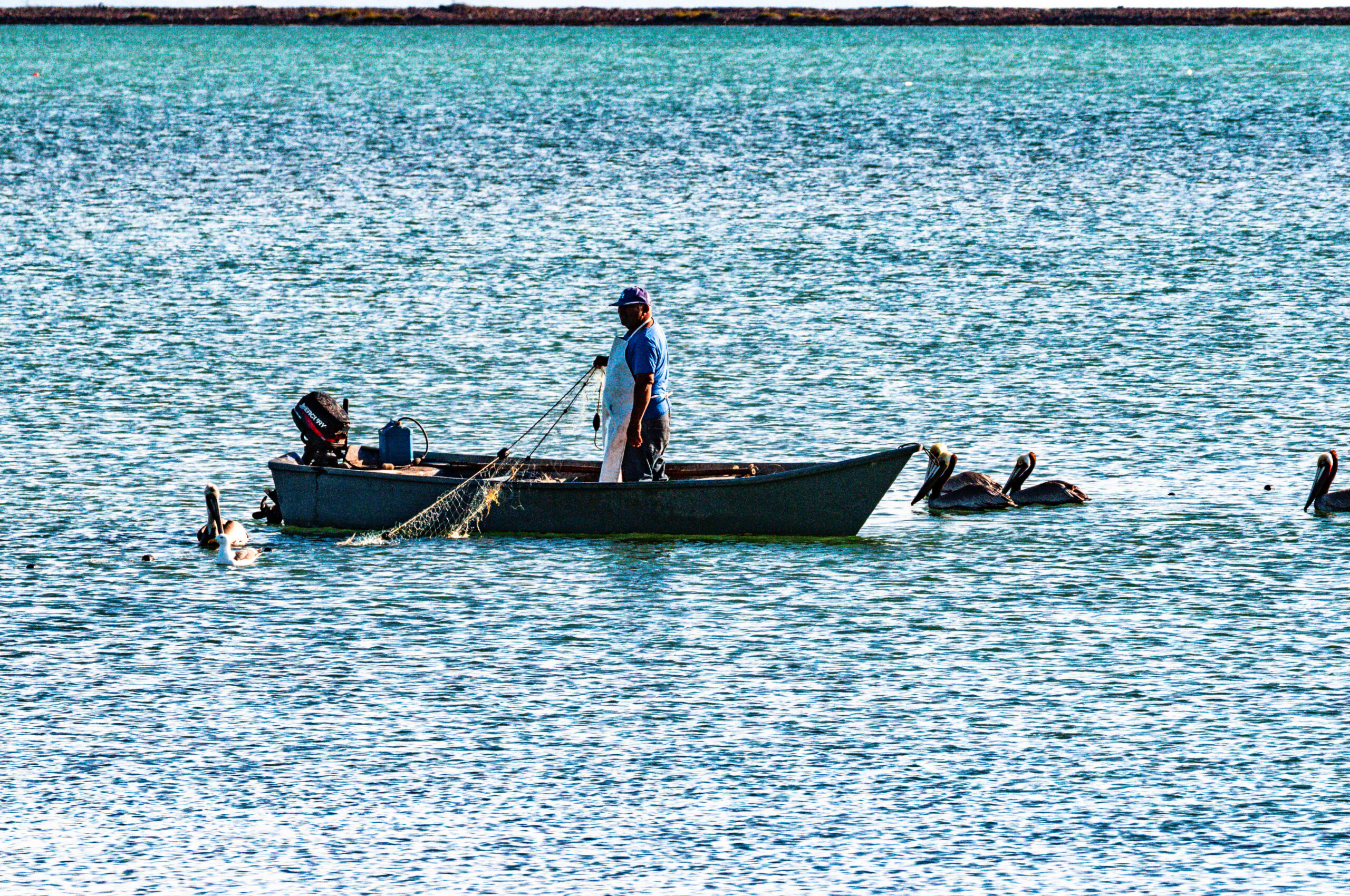
Eine Bootstour mit einem einheimischen Fischer zeigt uns zunächst einen toten Seelöwen und später verfolgen wir einen springenden Buckelwal, sehr spektakuläre Bilder. Immer wieder schlägt er auch seine Flossen auf das Wasser. Die Margaritas aus der Strandkneipe sind gut, das Essen köstlich. Am nächsten Tag Spaziergang zum „famous beach“, dessen letztes steiles Straßenzufahrtsstück uns nicht im Gegensatz zu den Beschreibungen erschreckt. Klar Allradantrieb ist von Vorteil, uns scheint das Problem eher im Start mit kalter Maschine zu liegen und für die Nicht-Allrader sind die Querrillen sicher unangenehm. Jedenfalls ist die Strandkneipe an unserem Beach ein großes Plus.
Zur Hochfahrt lassen wir die Luft aus den Reifen und fahren Dank Untersetzung und Differenzial am nächsten Morgen wie auf Schienen gemütlich problemlos hoch. Leider versagt am Ende der Kompressor, Gottseidank erst nachdem die Reifen wieder genügend Druck haben. Durch ein langweiliges Tal geht es bis Ciudad Constitution. Der Stellplatz liegt beim (im Gelände) des städtischen Schwimmbades, was wir ausgiebig nutzen.
Wir wollen uns mit Luckes treffen und fahren mit Einkaufsstopp an La Paz vorbei zum Playa El Paraje. Der einsame Strand ist wegen Sonntag überfüllt, wir sehen fast den Unimog nicht. Abends ist es dann leer. Gemütlicher Plausch mit Jürgen und Ingrid. Wegen Reparaturarbeiten geht es via Galveston zurück nach Europa, im Winter soll es dann auf die Kanaren gehen. Nachts dröhnt die ,Musik von noch vollen Tecalote Strand. Wir verbringen einen ruhigen Strandtag und bestaunen das Walhaibild, welches Marco von seinem Stellplatz beim Schutzgebiet nördlich von La Paz mit der Drohne schiessen konnte. Am nächsten Morgen nehmen wir Abschied von Luckes. Wir wollen zum Schildkrötenstrand nach Todos Santos, Luckes fahren zur Fähre aufs Festland und weiter Europa entgegen. Safe Travels.
🇬🇧 The cloud cover is pleasant on the drive south, with mimosa trees, lush cactus growth, scattered Josua trees, nests of so-called ospreys (not related to true eagles, but rather belonging to the hawk family—they have a white head with a broad, sharply defined, dark-brown eye stripe that runs from the base of the beak to the nape; in flight, ospreys appear to have strikingly long and narrow wings. From a distance, their flight pattern resembles that of a large seagull) perched on the utility poles along Mex 1. The first military checkpoint inspects the interior of our car—presumably looking for anything they can pilfer. From the car in front of us, they took a Coke from the cooler and two packs of cookies; for us, the curious glances are enough.
We cross the provincial border and have to pay 100 M$ for tire disinfection—a real joke (and rip-off). Guerrero Negro is a very dusty town with rather ugly speed bumps. On the plus side, there’s very good water at one of the many “Aqua purificada” kiosks and good shopping at the supermarket. In the evening, we drive to the Ojo de Libre lagoon through one of the world’s largest salt production sites.
The next day, we see gray whales and dolphins, unfortunately far out in the lagoon; on the dilapidated restroom buildings, there are osprey nests, and the birds react very grumpily if you dare to disturb their peace. We walk to the station and arrange a whale-watching tour for the next morning with Sabine and Marco. Our first Mexican margarita, along with ceviche and shrimp tacos, round out the day.
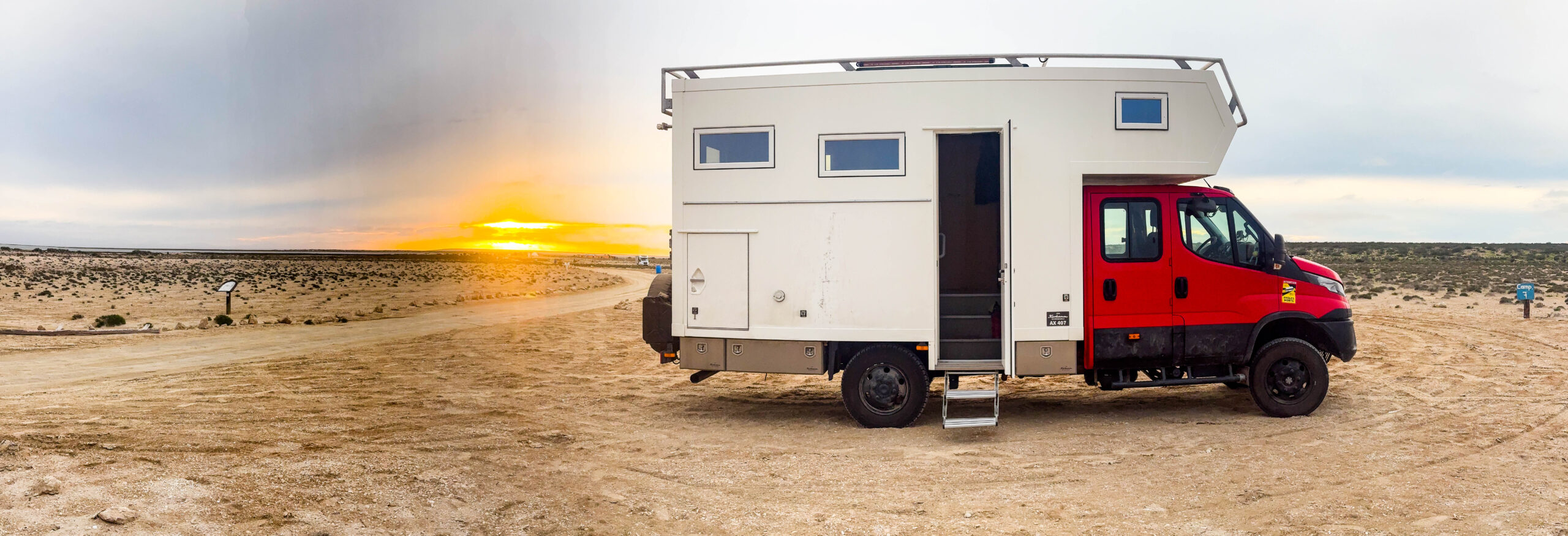
A whale-watching tour of the highest order the next morning. The humpback whales actually come up to the boat on their own and want to be touched. Incredible images are etched in our minds. Everyone has the chance to touch a whale. They dive beneath the boat and resurface alongside the gunwale, curiously stretching their heads out of the water, wanting to be touched, practically reaching their fins out toward us. Fantastic moments. Later that evening, we actually find an Iveco from Neuss parked next to us.
On the way to Los Gariones, we stop at the vast salt flats; after all, 9% of the world’s salt supply is harvested here. Many shell collectors (huge clams and mussels) and anglers gather around the old lighthouse and the “space-age” looking former landing stages. Before that, we drive through a sort of salt marsh past oyster beds. However, a restaurant right next to the oyster baskets is so repulsively run-down that we decide not to eat oysters here.
The next day, the marshlands from yesterday are completely flooded. We drive to San Ignacio, our first Pueblo Mágico. “Pueblos Mágicos are over 170 villages and small towns designated by the Mexican government that are known for their rich cultural heritage, history, traditions, and natural beauty. They offer an authentic, often colonial-style experience away from the mass tourism hotspots.” The place is a small palm oasis by the river with a well-maintained campground close to the center. In the church, we encounter for the first time the statue of Saint Martin de Porres from Lima with his broom. He is depicted as a person of color (the mixed-race son of a Spanish nobleman and a slave (1579–1639)) and was the first person of color to be canonized in 1962. He is the patron saint of nursing and gardeners. We enjoy our meal in the plaza. Before that, we visit the small museum with replicas of the rock paintings from the Sierra San Francisco. We start filling up our water at the Aqua Purificado stations; the advantage is no chlorine and meticulous cleanliness.
A former copper mining town—Santa Rosalia—charms with its very own flair and is somewhat reminiscent of the old French quarter of Hanoi. Small, colorful houses, each with tiny front gardens, balconies, cobblestone sidewalks, large trees, and arcades. A church designed by Gustave Eiffel, which stood at the Paris World’s Fair and was shipped from there to Mexico, and a bakery from 1901 are the jewels of our second Pueblo Mágico.
Officially, Mulegé is entitled to call itself ‘Heroica Mulegé.’ This title dates back to the Mexican-American War of 1846–1848. U.S. troops attempted to conquer the entire Baja California Peninsula for the United States. They laid siege to Mulegé. The residents of Mulegé and the surrounding villages put the U.S. Army to flight. Mulegé was not conquered. As a reward for this defense, Mulegé was given the official title “Heroica Mulegé.” The little town seems quite nice to us; the church is taking a “siesta” at noon, and we haven’t yet adjusted to the local climate and customs. We drive on to Playa Santispac. Between the campsites are “palapalas”—as the straw-woven structures on frames used to provide shade are called here. It’s actually a very beautiful bay, though late in the evening and early in the morning, the trucks’ retarder brakes are a bit of a nuisance. Yellow-blooming mangroves, clear air, and clean water. We meet Canadians of German descent from Okanagan Lake, who invite us to their campfire and treat us to homemade margaritas. Unbeknownst to us, we drove right past their house last year—it really is a small world. It’s also exciting to watch the Seabridge tour arrive and join the evening “circle of chairs.” There are 15 vehicles on this tour.
We change beaches. We head to Playa Requeson via a beautiful, hilly coastal route with many coves, cacti, and mountains in the background. With plenty of wind, we walk along the cove and cross a sandbar to a small island. Here we also learn of the death of drug cartel boss “El Mencho” and the resulting unrest throughout Mexico—roadblocks, burning cars, looted stores, closed airports—but here, everything is and remains calm. We’ll just wait it out in this beautiful bay until things have settled down again.
Another picturesque route along the bays, though unfortunately with poor road conditions, to Loreto, where the Canadians have reserved a spot for us at the Rivera del Mar RV Park. We enjoy the little town and have dinner at a local brewery right on the plaza, after our plans to meet up with the Canadians didn’t work out—they gave us the name of the wrong restaurant. The next day, we do laundry, take another stroll through town, and have dinner again at the brewery on the plaza.
After running various errands, we set off for Puerto Aqua Verde. A 30-km stretch of partly steep and moderately maintained dirt road with 350 meters of elevation gain takes us to the famous bay. We stop near a small family-run bar right on the beautiful beach. We see our first rays jumping out of the water. It’s so beautiful here, and for the past 5 days, war has been raging in the Middle East, with devastating consequences for the global economy.
A boat tour with a local fisherman first shows us a dead sea lion, and later we follow a leaping humpback whale—very spectacular sights. Again and again, it slaps its fins against the water. The margaritas from the beach bar are good, the food delicious. The next day, we take a walk to the “famous beach,” whose final steep stretch of road doesn’t scare us, contrary to the descriptions. Sure, four-wheel drive is an advantage, but to us the problem seems to lie more in starting with a cold engine, and for those without four-wheel drive, the cross-grooves are certainly unpleasant. In any case, the beach bar at our beach is a big plus.
For the drive up, we let the air out of the tires and, thanks to the low gear ratio and differential, drive up comfortably and without any problems the next morning, as if on rails. Unfortunately, the compressor fails at the end—thank goodness only after the tires have regained sufficient pressure. We drive through a boring valley to Ciudad Constitución. The parking spot is located on the grounds of the municipal swimming pool, which we make full use of.
We plan to meet up with the Luckes and drive past La Paz, stopping for groceries on the way, to Playa El Paraje. The secluded beach is packed because it’s Sunday; we almost don’t spot the Unimog. By evening, it’s empty. A cozy chat with Jürgen and Ingrid. Due to repair work, they’re heading back to Europe via Galveston; in the winter, they plan to go to the Canary Islands. At night, the music from the still-crowded Tecalote Beach booms. We spend a quiet day at the beach and marvel at the whale image that Marco was able to capture with his drone from his campsite near the nature reserve north of La Paz. The next morning, we say goodbye to the Luckes. We’re heading to the turtle beach in Todos Santos, while the Luckes are driving to the ferry to the mainland and onward toward Europe. Safe travels.